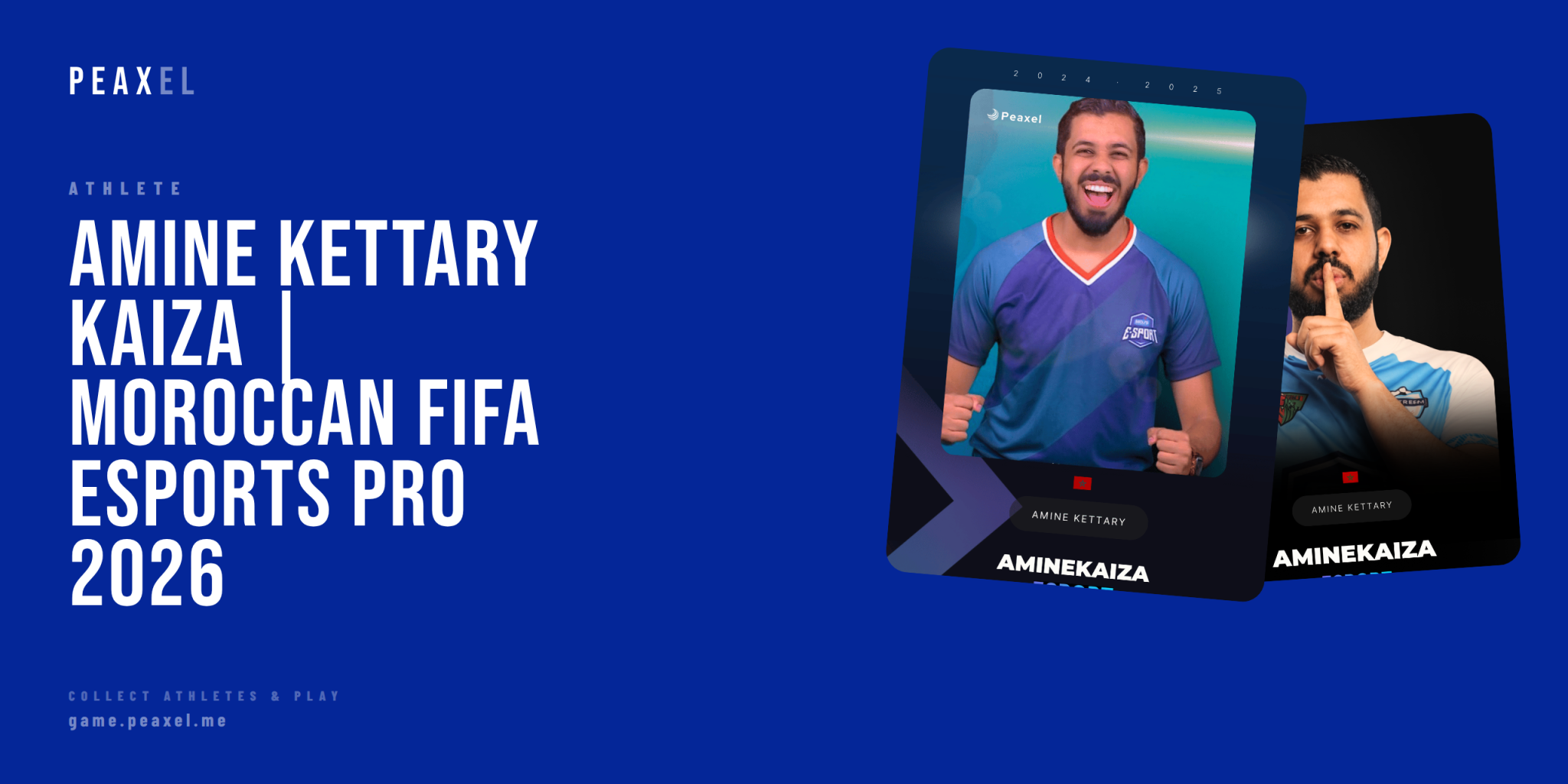
From Controller to Career: Amine Kettary’s Rise in FIFA Esports
In the rapidly expanding world of competitive gaming, certain players transcend regional boundaries to become icons of their nation’s esports identity. Amine Kettary, better known by his gaming tag KaiZa, represents exactly that phenomenon for Morocco. His journey from amateur FIFA enthusiast to professional competitor and influential content creator charts the evolution of esports across North Africa.
FIFA esports has exploded globally over the past decade, with Electronic Arts’ flagship football simulation attracting millions of competitive players. Within this ecosystem, KaiZa carved out a distinctive path that combines tournament excellence with community building. His story offers insight into how gaming careers develop in regions where esports infrastructure is still maturing.
The Competitive Foundation
Amine Kettary began his professional FIFA career representing Morocco in international competitions sanctioned by EA Sports and FIFA. These tournaments pit national representatives against each other in high-stakes matches broadcast to global audiences. For Moroccan esports, having players compete at this level marked a significant milestone in the country’s gaming development.
The FIFAe ecosystem, which governs official competitive FIFA play, has expanded dramatically since its inception. Players like KaiZa who established themselves early gained valuable experience navigating both online qualifiers and LAN events. This competitive grounding shapes how professional FIFA players approach the game differently from casual enthusiasts.
Tournament FIFA demands mastery of mechanics that casual players rarely explore. Custom tactics, player instructions, skill move cancels, and precise timing windows separate professional competitors from weekend warriors. KaiZa developed these technical foundations through thousands of hours of deliberate practice against other elite players.
Building the KaiZa Brand
The transition from pure competition to content creation represents a pivotal career decision many esports athletes face. For Amine Kettary, streaming and video production opened new avenues for engaging with the gaming community while maintaining connections to competitive play. This hybrid model has become increasingly common among FIFA professionals.
Content creation in FIFA esports typically centers on several formats. Pack opening videos showcase the gacha-style Ultimate Team card acquisition system. Gameplay tutorials break down advanced techniques for aspiring competitors. Match commentary provides entertainment while demonstrating high-level play. KaiZa’s content spans these categories, offering both educational and entertainment value.
His streaming presence has cultivated a substantial following within the MENA region specifically. Arabic-language FIFA content creators remain relatively rare compared to English or Spanish-speaking counterparts. This linguistic positioning allows KaiZa to serve an underrepresented audience hungry for relatable gaming content.
Morocco’s Growing Esports Ecosystem
Understanding KaiZa’s significance requires context about Moroccan esports infrastructure. The country has witnessed rapid growth in competitive gaming participation and viewership over the past five years. Internet penetration improvements and smartphone adoption have democratized access to gaming for Moroccan youth.
FIFA holds particular resonance in Morocco given the nation’s passionate football culture. The Atlas Lions’ historic 2022 World Cup run amplified interest in all forms of football engagement, including virtual competition. Players like Amine Kettary benefit from this cultural alignment between traditional sport enthusiasm and esports participation.
Local tournaments and gaming cafes have provided grassroots competitive venues for Moroccan FIFA players. From these foundations, talented competitors can progress toward international representation. KaiZa’s trajectory exemplifies this pathway from local recognition to national representation.
The Strategic Depth of Competitive FIFA
For newcomers to FIFA esports, the strategic complexity can seem overwhelming. Professional matches involve constant adaptation to opponent tendencies, formation adjustments, and player substitution timing. KaiZa’s commentary and tutorials frequently address these deeper game elements that determine match outcomes.
Ultimate Team, the dominant competitive mode, adds squad-building dimensions to pure gameplay skill. Managing virtual currency, understanding market fluctuations, and optimizing chemistry links require knowledge beyond controller mechanics. Top players must excel at both the economic metagame and in-match execution.
The annual game cycle creates unique competitive dynamics. Each new FIFA release resets card collections and introduces gameplay changes. Professionals must rapidly adapt to new mechanics while rebuilding competitive squads. This constant evolution keeps the esport fresh but demands continuous learning from serious competitors.
Content That Connects
KaiZa’s streaming approach emphasizes accessibility alongside expertise. His commentary provides strategic insights while remaining entertaining for viewers who may not aspire to professional competition. This balance between education and entertainment defines successful gaming content creators.
Engagement metrics in gaming content differ from traditional sports media. Live streaming enables real-time interaction between creator and audience. Chat interactions, subscriber acknowledgments, and community building happen simultaneously with gameplay. KaiZa’s ability to manage these parallel demands demonstrates developed broadcasting skills.
The economic model for gaming content creators combines multiple revenue streams. Platform partnerships, subscriber contributions, sponsorship deals, and tournament prize money collectively support professional gaming careers. This diversified approach provides stability that pure competitive earnings alone cannot guarantee.
Representing a Region
When Amine Kettary competes internationally, he carries expectations beyond personal performance. Moroccan gaming enthusiasts see national representation as validation of their community’s competitive legitimacy. This ambassadorial role adds pressure but also provides motivation that purely individual pursuits might lack.
MENA esports has historically received less attention from global tournament organizers and sponsors. Players from the region must often travel significant distances for major competitions while facing infrastructure challenges their European or American counterparts don’t encounter. KaiZa’s persistence through these obstacles demonstrates commitment beyond casual interest.
The visibility that successful MENA players achieve creates pathways for subsequent generations. Young Moroccan gamers can now envision professional gaming careers partially because pioneers like KaiZa demonstrated viability. This inspirational dimension extends KaiZa’s impact beyond his personal achievements.
Where Gaming Meets Traditional Sports Fandom
FIFA esports occupies a unique position bridging gaming and football cultures. Fans who follow real-world leagues often engage with the virtual version as an extension of their fandom. This crossover audience differs from endemic esports fans who primarily follow competitive gaming regardless of the specific title.
For platforms like Peaxel that celebrate athletes across diverse disciplines, gaming represents an expanding category of athletic pursuit. The reflexes, strategic thinking, and competitive drive required for professional FIFA mirror qualities valued in traditional sports. Recognizing gamers as athletes reflects evolving definitions of athletic excellence.
Amine Kettary’s presence on Peaxel through his athlete profile places him alongside competitors from dozens of sports disciplines. This positioning acknowledges gaming’s legitimacy while connecting esports athletes with broader sports fan communities. The full range of sports on Peaxel demonstrates how athletic achievement spans traditional and digital arenas.
The Future of FIFA Esports in North Africa
Looking forward, FIFA esports in the MENA region appears positioned for continued growth. EA Sports’ rebranding to EA Sports FC signals ongoing investment in the franchise’s competitive ecosystem. Regional tournament circuits are expanding, providing more opportunities for players to compete without international travel.
Content creators like KaiZa play crucial roles in this expansion. Their streams and videos introduce new players to competitive gaming while maintaining engagement among established fans. The community-building aspect of content creation strengthens esports ecosystems beyond what tournament structures alone can achieve.
For Amine Kettary specifically, the balance between competitive play and content creation will likely continue evolving. Professional gaming careers require adaptation as players age and new competitors emerge. The foundation KaiZa has built through community engagement provides career longevity that pure competition cannot guarantee.
Those interested in following KaiZa’s continued journey through FIFA esports can discover his athlete profile and connect with Moroccan gaming excellence through Peaxel’s platform dedicated to celebrating athletes across every discipline.