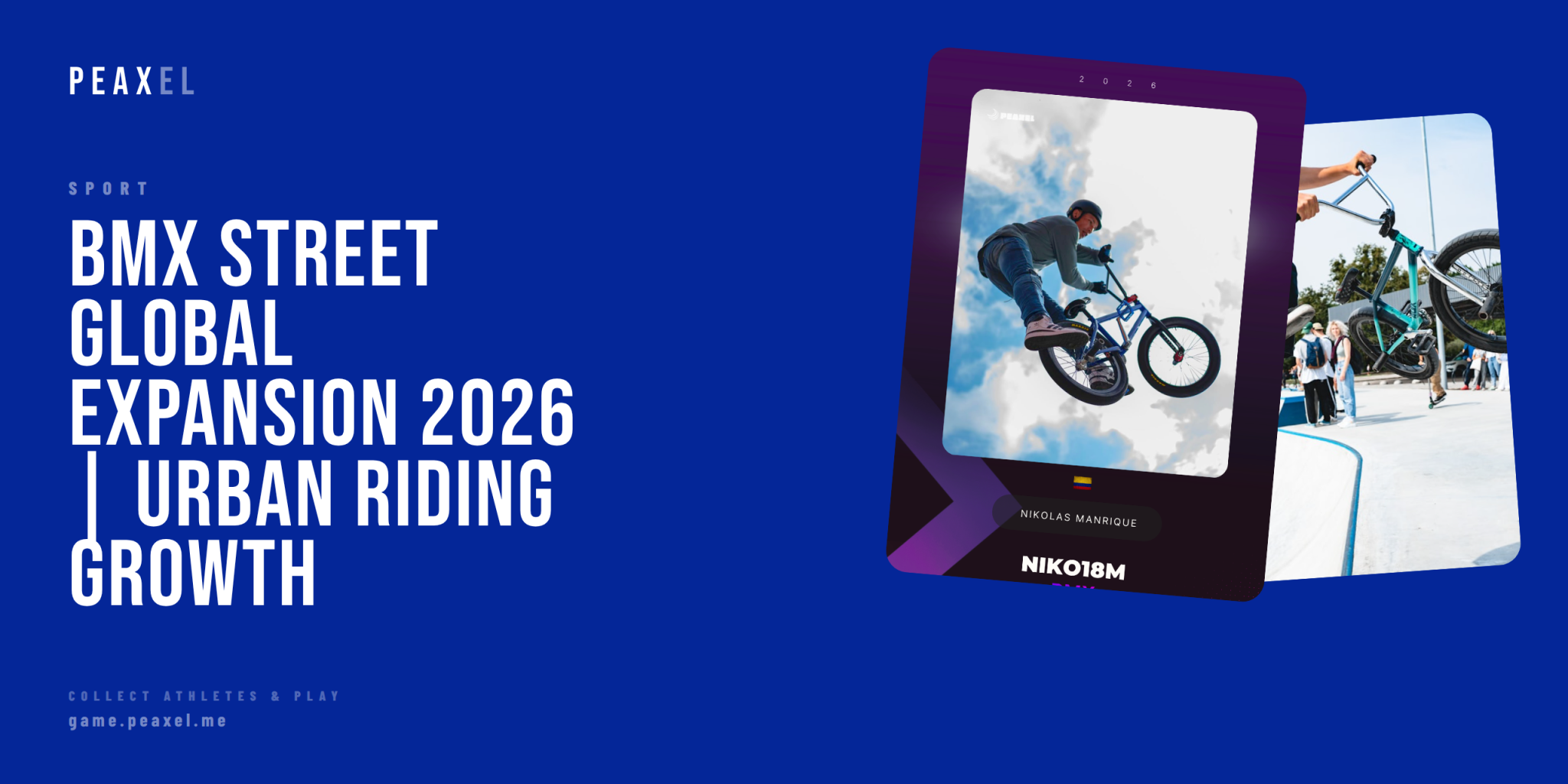
The Rise of BMX Street as a Global Movement
BMX street riding has transformed from a niche American subculture into a worldwide phenomenon. Unlike its track-based counterpart BMX racing or the structured competitions of freestyle park, street BMX thrives in urban environments where architecture becomes the canvas. In 2026, this discipline is experiencing its most significant global expansion yet.
The appeal is clear: street BMX requires no dedicated facilities, no entry fees, and no formal governing bodies. A rider needs only a bike, creativity, and access to urban infrastructure. This accessibility has fueled growth across continents, from South American cities to European capitals and Asian metropolises.
What Defines BMX Street Riding
Street BMX distinguishes itself through its relationship with urban space. Riders use handrails, ledges, stairs, benches, and architectural features as obstacles. The discipline values creativity, style, and originality over standardized scoring systems.
Technical execution matters, but so does the ability to see potential in everyday structures. A parking garage becomes a playground. A university campus transforms into a session spot. This perspective shift defines the street rider’s approach to their environment.
The Technical Foundation
Core street BMX tricks include grinds along rails and ledges, wallrides on vertical surfaces, and gap jumps between urban features. Riders develop signature combinations that reflect their personal style. The discipline rewards those who can read terrain and execute with precision.
Global Expansion Patterns in 2026
The geographical spread of BMX street follows several distinct pathways. Social media platforms have eliminated traditional barriers to entry, allowing riders in any city to learn techniques and connect with the global community.
The South American to European Pipeline
One notable pattern involves riders from South American countries relocating to Europe, where established BMX infrastructure and content creation opportunities exist. Nikolas Manrique, originally from Bogotá, Colombia, exemplifies this trajectory. Now active in France and across Europe, he has built his presence through creative video content and collaborations with established BMX communities.
Manrique’s journey from Colombian streets to European skate parks demonstrates how the discipline transcends national boundaries. His athlete profile on Peaxel connects fans with his ongoing progression in the sport.
Asian Market Growth
Cities across Asia have witnessed rapid BMX street adoption. Urban density provides abundant terrain, while youth culture embraces the aesthetic and lifestyle elements. Japan, South Korea, and increasingly China have developed active street scenes.
European Infrastructure Advantages
Europe benefits from established skate park networks that accommodate street-style riding. Countries like France, Germany, and the Netherlands have integrated BMX into broader urban sports ecosystems. This infrastructure supports both practice and content production.
The Content-Driven Economy
Unlike traditional sports, BMX street operates largely through content creation rather than competition prize money. Riders build careers through video parts, social media engagement, and brand partnerships. This model favors consistency and creativity over singular competitive performances.
Platforms like Instagram and YouTube serve as both portfolio and community hub. A well-edited video clip can reach millions of viewers and attract sponsorship attention. This democratized exposure system has accelerated global participation.
Community Over Competition
Street BMX culture emphasizes sessions and jams over formal contests. Riders gather at spots, share tricks, and collaborate on content. This community-first approach builds lasting connections across borders. A rider from Colombia can session with locals in Paris, united by shared technical language and creative values.
Equipment and Accessibility
Street BMX bikes feature specific geometry optimized for urban riding. Shorter wheelbases improve maneuverability. Pegs on wheel axles enable grinds. The relatively low cost compared to motorized action sports contributes to accessibility.
Entry-level complete bikes allow beginners to start immediately. As riders progress, they customize components to match their style. This upgrade pathway keeps the hobby engaging over years of development.
Challenges Facing the Discipline
Legal access to urban spots remains the primary challenge. Property owners and local authorities often prohibit riding on architectural features. Riders navigate this tension through early morning sessions, relationship building with property managers, and advocacy for designated spaces.
The lack of standardized competition structure means limited pathways to traditional athletic funding. Riders must entrepreneurially build their careers through content and sponsorships rather than relying on federation support.
The Future of BMX Street
As urban populations grow and youth seek alternative athletic expression, BMX street is positioned for continued expansion. The discipline’s low barriers to entry, strong visual appeal, and community-driven culture align with broader trends in action sports.
Cities are increasingly incorporating street-friendly design into public spaces. Skateparks now include street-style features. This infrastructure investment suggests growing mainstream acceptance.
Connecting with BMX Street Athletes
Peaxel tracks emerging BMX street talent alongside established names across dozens of action sports disciplines. The platform allows fans to follow athlete journeys, build fantasy teams, and engage with the broader action sports community. For those drawn to urban riding culture, BMX street offers an accessible entry point into a global movement defined by creativity, community, and continuous progression.