The Invisible Battle: Why BMX Street Is a Mental Sport
When a BMX street rider approaches a 12-stair rail in downtown Milwaukee, the physical mechanics represent only half the challenge. The other half happens between the ears—a complex negotiation between fear, confidence, and creative vision that determines whether the trick lands or the rider walks away injured. BMX street is fundamentally different from park or racing disciplines because the terrain is never designed for bikes. Every session is an exercise in reading unpredictable environments and convincing your brain to commit to movements that evolution screams against.
Street riders don’t have the luxury of foam pits or purpose-built transitions. Concrete doesn’t forgive hesitation. This reality shapes a unique psychological profile among street BMX athletes—one built on controlled fear management, creative problem-solving, and the mental discipline to attempt tricks knowing the consequences of failure are immediate and painful.
Fear Management: The Foundation of Street Riding
Fear in BMX street isn’t something riders eliminate—it’s something they learn to work with. Sports psychologists who study action sports describe this as “fear domestication,” the process of transforming paralyzing anxiety into productive alertness. Street riders develop this skill through progressive exposure, starting with smaller obstacles and gradually building confidence on larger features.
The mental process often begins long before a rider touches their bike. Visualization plays a critical role, with experienced street riders mentally rehearsing tricks dozens of times before attempting them physically. They imagine the approach speed, the pop timing, the rail contact, the landing compression—every micro-second broken down and replayed until the movement feels familiar even though they’ve never done it.
The Commitment Problem
Half-commits cause more injuries in street BMX than full sends or clean bails. When a rider’s body begins a trick but their mind pulls back mid-execution, the resulting crash combines momentum with poor body positioning. Street riders describe this as the “point of no return”—a mental threshold where backing out becomes more dangerous than following through. Training yourself to recognize and honor this threshold is essential psychological conditioning.
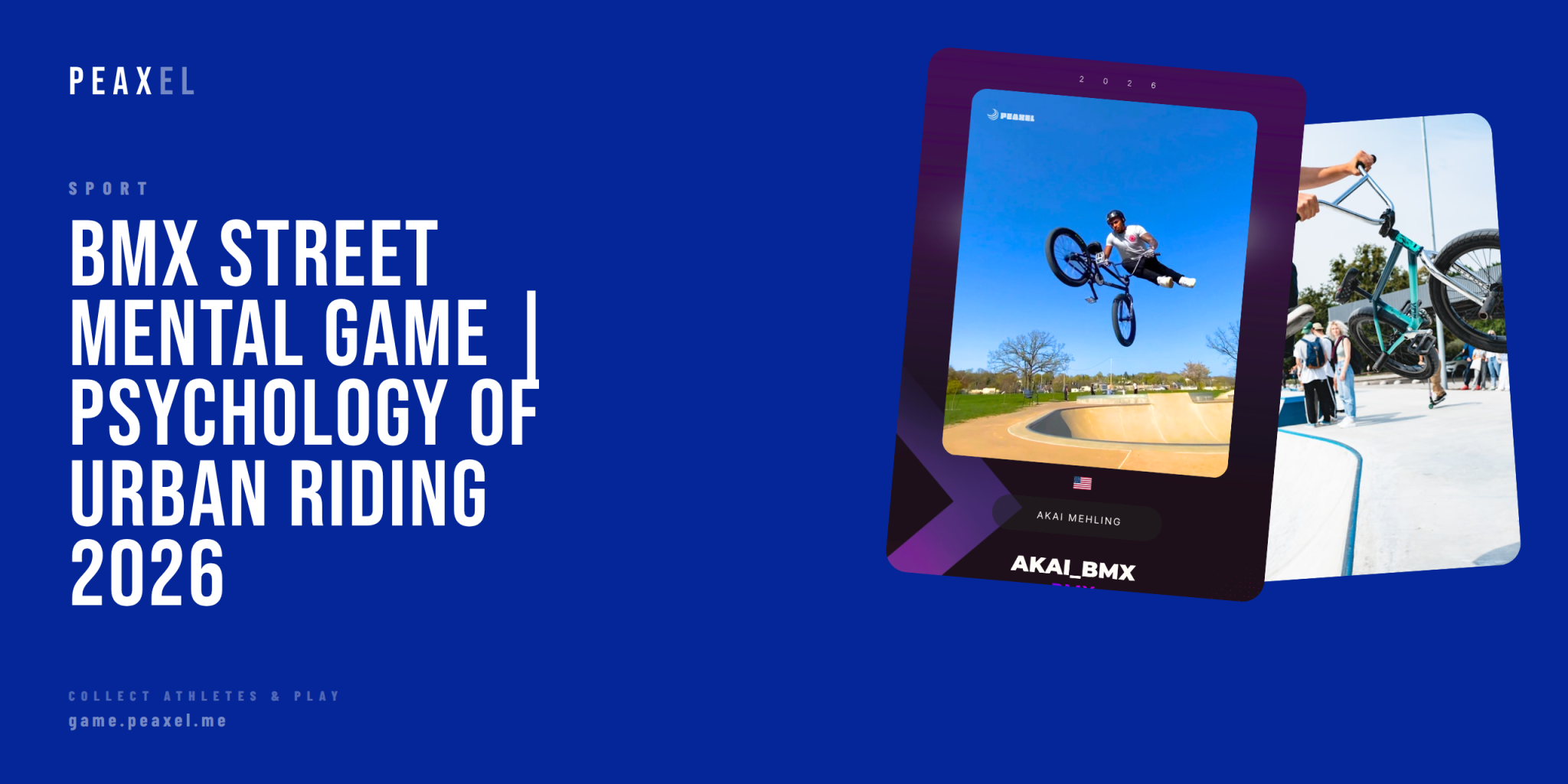
Riders like Akai Mehling, a Milwaukee-based street specialist who took first place at the USA BMX Milwaukee event in 2022, understand this dynamic intimately. Street riding in the American Midwest often means limited daylight hours and unpredictable weather windows, compressing the mental preparation timeline and demanding rapid psychological readiness.
Creativity Under Pressure: The Street Rider’s Edge
Unlike park riding where obstacles are standardized, street terrain demands constant creative adaptation. A ledge that looks perfect from one angle might have a crack that catches wheels. A handrail’s angle might require modified approach lines. This unpredictability forces street riders to develop fluid thinking—the ability to adjust plans in real-time while maintaining technical precision.
Psychologists call this “cognitive flexibility,” and research suggests action sports athletes score significantly higher on flexibility metrics than non-athletes. Street BMX essentially trains the brain to solve physical puzzles under stress, a skill that transfers beyond riding into broader life challenges.
The Session Mindset
Street riding typically happens in sessions—extended periods where a rider attempts a specific trick repeatedly until they land it or decide to move on. Managing mental energy across a session requires strategic thinking. Going too hard early leads to physical fatigue that compounds fear. Being too conservative wastes optimal energy windows.
Experienced street riders develop session management strategies: warming up on comfortable tricks, building toward target obstacles, recognizing when frustration is clouding judgment, and knowing when to walk away. This self-awareness separates riders who progress consistently from those who plateau or burn out.
Dealing with Failure and Injury
Every street rider accumulates a crash reel. Slams are not signs of failure—they’re tuition payments for learning new tricks. The psychological challenge lies in processing crashes without developing debilitating fear responses. Some riders develop specific rituals after hard falls: immediately getting back on the bike to prevent fear from setting, or conversely taking deliberate recovery time to process the experience before attempting again.
Injury recovery presents its own mental battles. Returning to the obstacle that caused an injury requires confronting trauma while rebuilding physical confidence. Sports psychologists working with action sports athletes often use gradual exposure therapy, helping riders approach triggering obstacles in stages rather than attempting immediate full re-engagement.
The Social Dimension of Street BMX Psychology
Street riding rarely happens in isolation. Sessions typically involve crews, and the social dynamic significantly impacts individual psychology. Positive crew energy can push riders beyond perceived limits—the collective belief that a trick is possible becomes contagious. Conversely, competitive or judgmental atmospheres can amplify performance anxiety.
Camera pressure adds another layer. Many street riders film sessions for social media content, creating dual objectives: land the trick and capture it cleanly. This divided attention can fragment focus, though experienced riders learn to compartmentalize—treating the camera as a passive observer rather than an active audience.
Building Mental Resilience Over Time
Long-term street riders develop what psychologists term “psychological capital”—accumulated confidence from past successes that buffers against present challenges. Every landed trick deposits into this mental account; every crash without serious injury reinforces survivability beliefs. Riders with deep psychological capital approach new obstacles with earned confidence rather than blind bravado.
This resilience extends beyond riding. Former street BMX athletes often report that the mental skills developed on urban terrain—fear management, creative problem-solving, persistence through repeated failure—become valuable in careers, relationships, and personal challenges. The street becomes a training ground for life.
Practical Mental Training for Street Riders
Modern street riders increasingly incorporate deliberate mental training alongside physical practice. Breathing techniques help regulate nervous system activation before intimidating tricks. Progressive relaxation protocols reduce muscle tension that interferes with technical execution. Mental rehearsal sessions allow riders to accumulate “reps” without physical risk.
Some riders keep journals documenting psychological states during sessions—what mental approach preceded successful attempts versus failed ones. Over time, patterns emerge that inform future session strategies. This data-driven approach to psychology mirrors physical training periodization.
Where Street BMX Psychology Meets Fan Engagement
For fans following BMX street through platforms like Peaxel, understanding the mental dimension adds depth to appreciation. A landed trick represents not just physical execution but psychological victory—the culmination of fear management, creative vision, and commitment under pressure. Platforms that connect fans with athletes’ journeys, like Peaxel’s athlete management game, create opportunities to engage with the full story behind each clip.
The growing ecosystem of action sports on Peaxel reflects increasing interest in understanding athletes as complete competitors—physical, technical, and psychological. Street BMX, with its raw confrontation between rider psychology and unforgiving urban terrain, offers one of the clearest windows into the mental game that defines action sports excellence.