The Global Landscape of Freestyle BMX Street in 2026
Freestyle BMX street has exploded from underground culture into a globally recognized discipline. Unlike park or racing, street BMX focuses on urban environments—rails, ledges, stairs, and architectural features become the canvas for creative expression. In 2026, certain nations have emerged as powerhouses shaping where the sport is headed.
The discipline rewards innovation and personal style over standardized competition formats. This has allowed diverse riding cultures to flourish across continents, each bringing unique approaches to how riders interact with their urban surroundings.
United States: The Undisputed Leader
The USA remains the dominant force in freestyle BMX street. American riders have defined the discipline’s progression for decades, with legends like Garrett Reynolds setting the technical standard. The depth of talent runs deep, from established pros to hungry amateurs pushing boundaries in cities from Los Angeles to New York.
American BMX street culture benefits from extensive infrastructure—skateparks, street spots, and a robust media ecosystem that amplifies riders’ careers. Major competitions and video parts still largely flow through American channels, giving US riders significant exposure advantages.
Why American Riders Stay Ahead
Access to diverse urban terrain, corporate sponsorship pipelines, and a mature contest circuit create an ecosystem where American street riders can develop professionally. The X Games, while featuring park, has historically elevated street riders’ profiles through crossover appeal.
Colombia: Latin America’s Rising Force
Colombia has emerged as the most exciting BMX street nation in Latin America. Cities like Bogotá and Medellín offer challenging urban terrain that has shaped a generation of technical riders. The country’s BMX community has grown significantly, producing athletes who now compete and perform internationally.
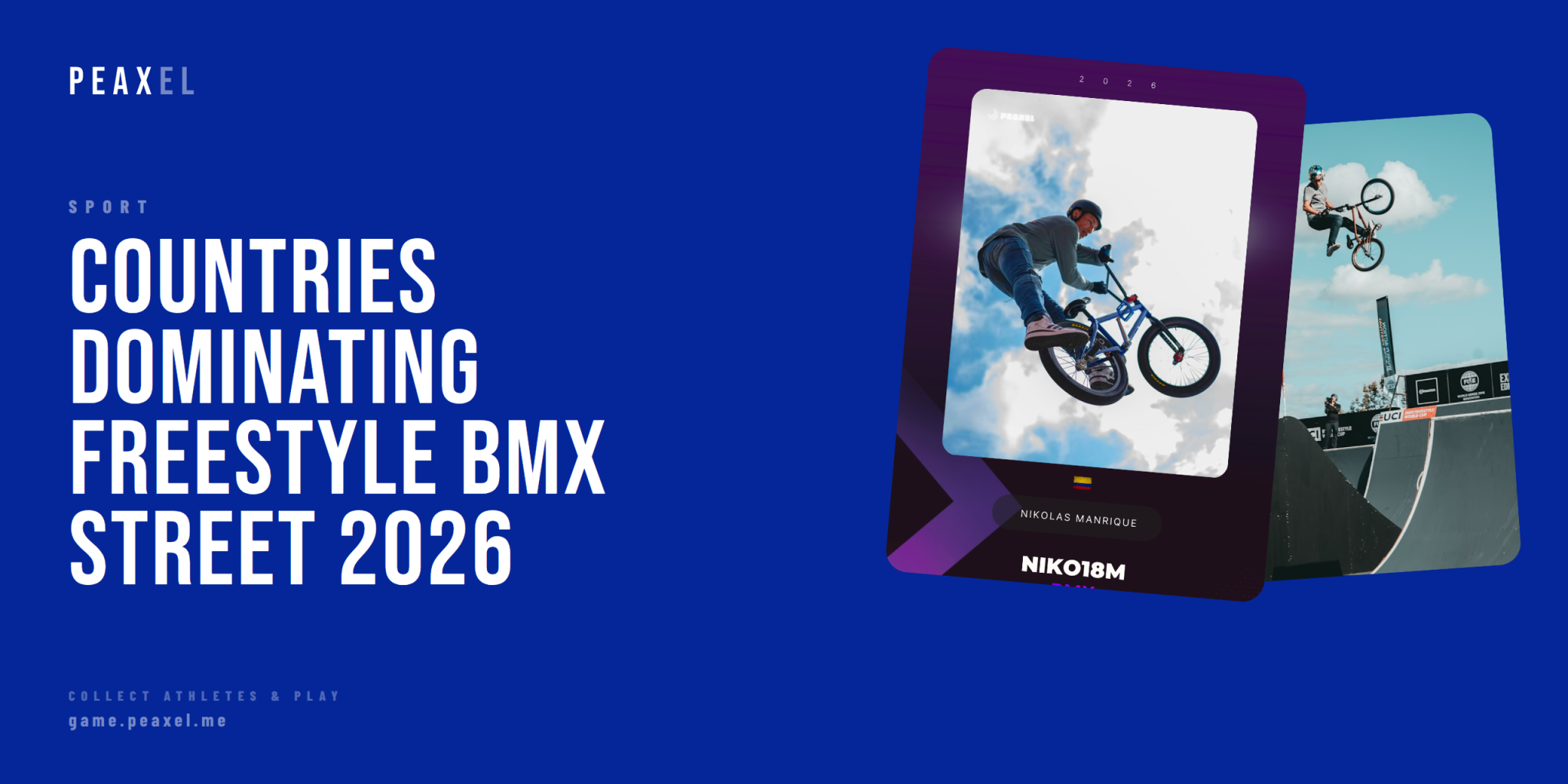
Nikolas Manrique exemplifies Colombia’s contribution to the global scene. Originally from Bogotá, Manrique has established himself performing BMX freestyle and street across Europe, bringing Colombian style to international audiences. His presence at events and collaborations with European riders demonstrates how Colombian talent is expanding beyond regional boundaries. You can follow his career on Peaxel.
Brazil: Street Riding Meets Creativity
Brazil’s skateboarding heritage has directly influenced its BMX street scene. Brazilian riders approach obstacles with a distinctive blend of technical precision and artistic flair. São Paulo’s endless urban sprawl provides infinite possibilities for street sessions, while a passionate local community supports rider development.
The country’s economic challenges have shaped a resourceful riding culture where creativity compensates for limited resources. This has produced riders with unconventional approaches that stand out in international contexts.
France and Spain: European Street Hubs
Europe’s BMX street scene centers around France and Spain. Both nations offer diverse urban landscapes and established BMX communities. Barcelona has long been a pilgrimage destination for street riders worldwide, its architecture providing iconic spots featured in countless video parts.
France combines strong institutional support for action sports with passionate grassroots communities. Riders like Sofia Cherniavskaia, though Russian, has participated in European street culture competitions, illustrating how the continent serves as a meeting point for international talent. The KARDO global street culture awards have highlighted emerging riders, connecting BMX street with broader urban sports movements.
The European Contest Circuit
European events increasingly feature street-focused formats alongside park competitions. This has created pathways for street specialists to gain recognition without transitioning fully to park riding. Cities across Germany, UK, and the Netherlands also contribute significant talent to the continental scene.
Japan and Australia: Pacific Innovation
Japan’s precision-oriented culture translates into technically immaculate street riding. Japanese riders often pioneer subtle variations that later spread globally. The country’s dense urban environment and respect for craftsmanship have shaped a distinctive approach to the discipline.
Australia punches above its weight despite geographic isolation. Melbourne and Sydney host vibrant BMX communities, and Australian riders regularly feature in international video projects. The country’s flat terrain has pushed riders toward technical creativity rather than relying on dramatic elevation changes.
What Makes a Nation Dominant in BMX Street
Several factors determine which countries produce elite freestyle BMX street riders. Urban density matters—cities with diverse architectural features provide natural training grounds. Cultural acceptance of action sports influences how young riders access the discipline. Media infrastructure determines whether talented riders gain visibility.
Economic factors play complex roles. Wealthier nations offer more sponsorship opportunities, but resourcefulness in developing scenes often produces highly creative riders. The most innovative progression frequently emerges from unexpected places where riders must maximize limited resources.
Following Global BMX Street Talent
The freestyle BMX street scene continues evolving as new nations develop competitive talent. Platforms like Peaxel allow fans to discover and support BMX athletes from around the world, including street specialists building international careers. You can explore the full range of sports on Peaxel to find athletes across every discipline.
As 2026 progresses, watch for Colombian, Brazilian, and Eastern European riders challenging established hierarchies. The global BMX street scene has never been more diverse—or more exciting to follow.