Pro D2 Rugby: France’s Gateway for Global Talent
France’s Pro D2 has evolved far beyond a simple stepping stone to the Top 14. The second-tier professional rugby union league now operates as one of Europe’s most important talent incubators, attracting international players from rugby powerhouses and emerging nations alike. With 16 clubs competing for promotion and survival each season, the demand for quality players has created a truly global marketplace.
The 2025-26 season showcases this international dimension more than ever. Walk into any Pro D2 stadium and you’ll hear accents from Suva to Buenos Aires, Tbilisi to Cape Town. This diversity isn’t accidental—it’s the result of strategic recruitment, development pathways, and France’s unique position as rugby’s crossroads.
Pacific Island Nations: The Heartbeat of Pro D2 Power
Fiji, Samoa, and Tonga have long supplied rugby talent worldwide, but their presence in Pro D2 has reached unprecedented levels. These nations produce athletes with a distinctive combination of raw power, footwork, and offloading ability that translates perfectly to the physical French game.
Fijian players dominate the back three positions across multiple Pro D2 rosters. Their ability to break tackles and create something from nothing makes them invaluable in a league where tight margins decide promotion races. Samoan and Tongan forwards bring explosive carrying and fearsome tackling to the tight exchanges that define French rugby.
The pipeline works both ways. Young Pacific Islanders gain professional experience and financial stability, while French clubs access talent pools that would be unaffordable in the Top 14. Several Pro D2 clubs have established formal scouting relationships with Pacific Island development programs.
Georgia: Europe’s Emerging Rugby Force
Georgian rugby has undergone a remarkable transformation over the past decade, and Pro D2 has become a primary destination for their export talent. Georgian forwards, renowned for their scrummaging prowess and work rate, have found a natural home in France’s demanding second division.
The Georgian national team’s rise in World Rugby rankings correlates directly with increased player exposure in competitive European leagues. Pro D2 provides the perfect environment—intense enough to develop international-caliber players, accessible enough to give opportunities to emerging talent.
Several Pro D2 clubs now actively scout Georgian domestic competitions, recognizing the value of players who combine Eastern European physicality with increasingly sophisticated technical skills.
Argentina: South American Flair in French Rugby
Argentine rugby’s golden generation proved that South American players could compete at the highest level. That success created a steady stream of players seeking opportunities in France, with Pro D2 often serving as the entry point.
Argentine backs bring creativity and game management skills honed in the demanding Super Rugby and Pumas environments. Their understanding of structured attack and kicking strategies aligns well with French coaching philosophies. Meanwhile, Argentine forwards offer mobility and handling skills that fit the modern game’s requirements.
The relationship benefits both parties. Argentine players earn professional wages while developing their games in a competitive environment, and French clubs gain access to technically proficient athletes with international experience.
South Africa: Post-World Cup Talent Migration
South Africa’s World Cup successes have elevated player values worldwide, but Pro D2 remains accessible for Springbok hopefuls and experienced professionals seeking extended careers. The physical nature of South African rugby translates seamlessly to French conditions.
South African players in Pro D2 typically bring defensive organization and set-piece expertise. Their presence raises standards across entire squads, with younger French players learning from professionals who understand what it takes to compete at Test level.
The Currie Cup and Challenge Cup pathways have created a natural flow of talent, with agents and clubs maintaining strong relationships across both countries.
The JIFF System: Protecting French Development
While international players enrich Pro D2, the league maintains strict quotas through the JIFF (Joueur Issu des Filières de Formation) system. Each club must field a minimum number of French-trained players, ensuring domestic development remains central to the competition’s identity.
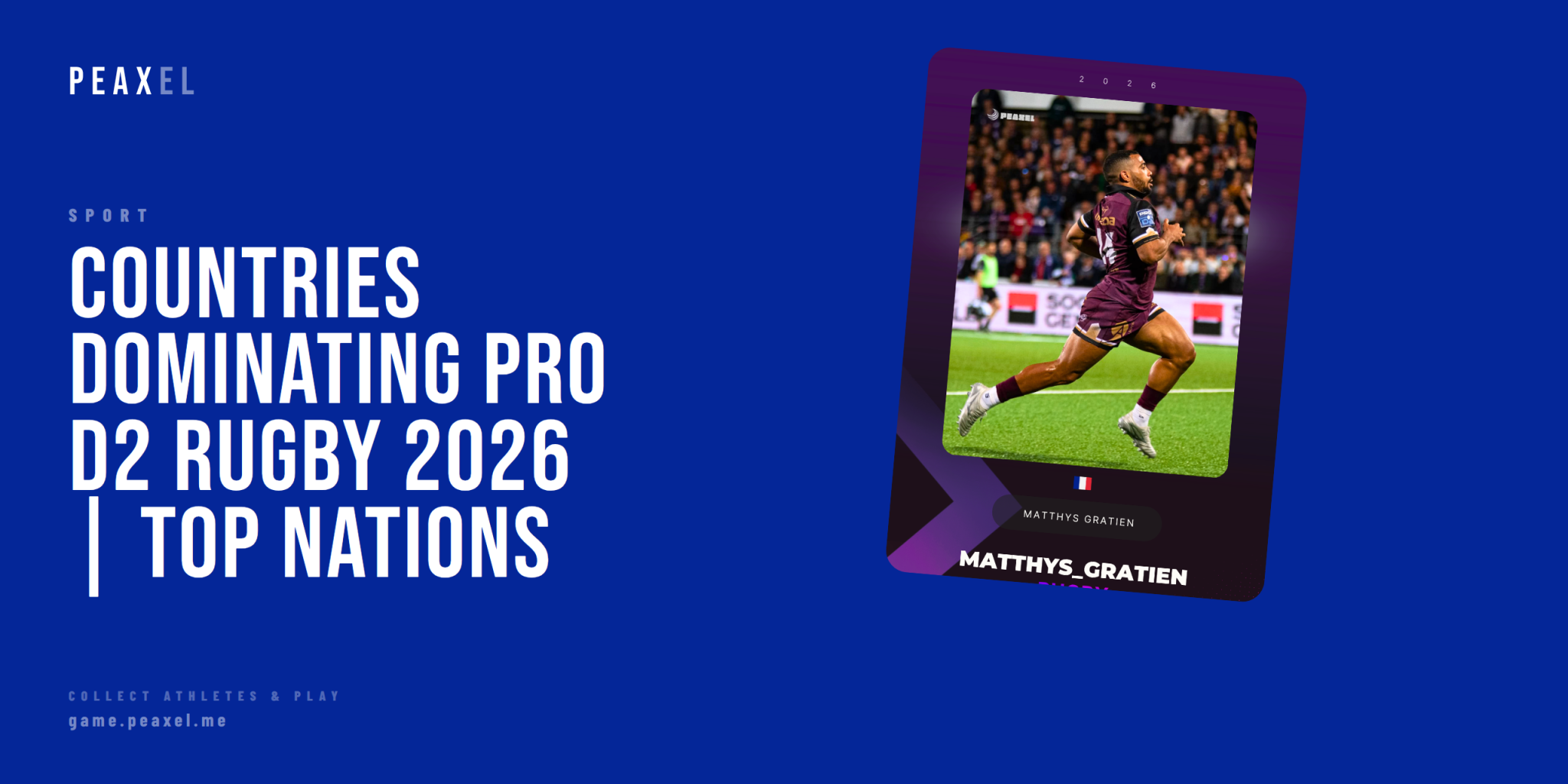
This balance creates opportunities for players like Matthys Gratien, the French winger who progressed through RC Vannes’ academy before establishing himself at Soyaux Angoulême XV. Gratien represents the JIFF pathway at its best—local talent developed through club structures, competing alongside international professionals. You can follow his career journey on Peaxel’s game platform.
The JIFF system ensures Pro D2 remains a development league for French rugby while still attracting global talent that raises competitive standards.
Recruitment Strategies: How Clubs Build International Rosters
Pro D2 clubs employ various strategies to identify and sign international talent. Some maintain formal scouting networks in target countries, while others rely on agent relationships and player recommendations.
Video analysis has transformed recruitment, allowing clubs to evaluate players across global competitions without extensive travel. Social media presence and highlight reels now play crucial roles in player discovery, particularly for athletes from emerging rugby nations.
Financial constraints force creative approaches. Clubs often target players at career crossroads—young talent seeking breakthrough opportunities or experienced professionals extending their careers. This creates a unique mix of hunger and experience that defines Pro D2’s competitive character.
Impact on Playing Styles and Tactics
The international influx has diversified Pro D2’s tactical landscape. Pacific Island influences have increased emphasis on offloading and broken-field play. Georgian and South African imports have intensified the focus on set-piece dominance and physical confrontation.
Coaches now blend these influences into cohesive systems. The most successful Pro D2 teams integrate international flair with French tactical discipline, creating styles that can compete with Top 14 clubs in promotion playoffs.
This tactical evolution makes Pro D2 increasingly attractive for fans and broadcasters seeking unpredictable, entertaining rugby.
The Future: Emerging Source Nations
Beyond established pipelines, Pro D2 clubs are exploring new talent markets. Romanian and Spanish players appear with increasing frequency, benefiting from improved domestic competitions. Japanese rugby’s growth has created another potential source, with players seeking European experience after professional careers in Japan Rugby League One.
African nations beyond South Africa—particularly Kenya, Zimbabwe, and Namibia—represent untapped markets that forward-thinking clubs are beginning to explore.
These emerging pathways suggest Pro D2’s international character will continue evolving, bringing new influences and talent to French rugby’s competitive second tier.
Following Pro D2’s Global Stars
For fans wanting to track Pro D2’s international talent, Peaxel offers a unique platform to discover and follow athletes across rugby and dozens of other sports. The full list of sports on Peaxel includes rugby union alongside action sports, combat sports, and Olympic disciplines.
Pro D2’s status as a global talent hub ensures the league’s continued relevance in world rugby. Whether you’re following established internationals or discovering the next generation, the competition offers compelling storylines that extend far beyond French borders.