The Structure of Professional FIFA Competition in 2026
EA Sports FC 25 has transformed competitive FIFA into a legitimate professional sport with a clear progression system. The FC Pro circuit operates as the pinnacle of competitive play, with the Global Series serving as the primary qualification pathway for players worldwide.
The 2025-26 competitive season runs from October through July, featuring multiple qualification windows and regional events. Players compete for spots at the FC Pro World Championship, where prize pools reach into the millions of dollars. Unlike traditional sports, the barrier to entry remains remarkably low—anyone with a copy of the game and an internet connection can begin their journey.
Understanding this structure is essential for anyone serious about pursuing competitive FIFA. The pathway rewards consistency, adaptability, and the ability to perform under pressure across extended competitive periods.
Starting Point: FUT Champions and Ranked Play
Every professional FIFA career begins in the same place: Ultimate Team’s competitive modes. FUT Champions Weekend League serves as the proving ground where aspiring pros must demonstrate consistent elite-level performance.
To access official FGS Qualifiers, players need to achieve specific FUT Champions rankings. The threshold typically requires finishing in the top percentile of Weekend League participants. This means winning 16 or more matches out of 20 on a regular basis—a benchmark that separates casual competitive players from genuine pro prospects.
Division Rivals rankings also factor into competitive seeding. Players in Elite Division build the match practice and meta understanding necessary for tournament play. The combination of Weekend League results and Rivals performance determines eligibility for the next tier of competition.
FGS Weekly Qualifiers: The First Official Step
The FIFA Global Series Weekly Qualifiers represent the first official competitive tournaments in the pathway. These online events run throughout the season, offering multiple entry points for qualified players.
Each region operates its own qualifier schedule. Europe, North America, South America, Asia, Middle East, and Africa all have dedicated competitive structures. Weekly Qualifiers award FGS Points based on finishing position—these points accumulate across the season to determine playoff qualification.
The format typically involves Swiss-system group stages followed by single-elimination brackets. Matches are played over two legs, with aggregate scores determining advancement. This format tests both offensive capability and defensive discipline, as away goals and clean sheets carry tactical weight.
Top performers from Weekly Qualifiers progress to Regional Playoffs, while others accumulate points toward seasonal leaderboard positions. Consistency across multiple weeks matters more than single standout performances.
Regional Playoffs and International Competition
Regional Playoffs bring together the highest point earners from each territory for LAN or high-stakes online competition. These events feature the best players from each region competing for World Championship qualification spots.
The competition intensity increases dramatically at this level. Players face opponents who have proven themselves across dozens of competitive matches. Meta knowledge, set-piece mastery, and mental resilience separate those who advance from those who fall short.
Regional champions earn direct qualification to the FC Pro World Championship. Additional spots are distributed based on FGS Point standings, giving consistent performers multiple pathways to the global stage.
For players in emerging FIFA regions, these playoffs represent opportunities to put their territories on the competitive map. African and Middle Eastern qualifiers have produced breakthrough performers who compete successfully against established European and South American talent.
The FC Pro World Championship
The FC Pro World Championship stands as the ultimate goal for competitive FIFA players. Held annually in a major city, this event crowns the world’s best EA FC player and distributes significant prize money.
Qualification requires either winning a Regional Championship or finishing high enough in seasonal FGS Point standings. The field typically includes 32 to 64 players representing every competitive region.
The tournament format combines group stages with knockout rounds, played across multiple days. Players compete on standardized equipment with referees monitoring for fair play. The production quality rivals traditional sports broadcasts, with commentary, analysis, and significant streaming audiences.
World Championship performance defines professional FIFA careers. Winners join an exclusive club of recognized world champions, while strong showings can launch players into content creation, coaching, or continued competitive careers.
Regional Development: Morocco and Emerging Scenes
The global expansion of competitive FIFA has opened pathways in regions previously underrepresented in esports. Morocco has emerged as a notable example, producing players who compete at international level while building domestic competitive infrastructure.
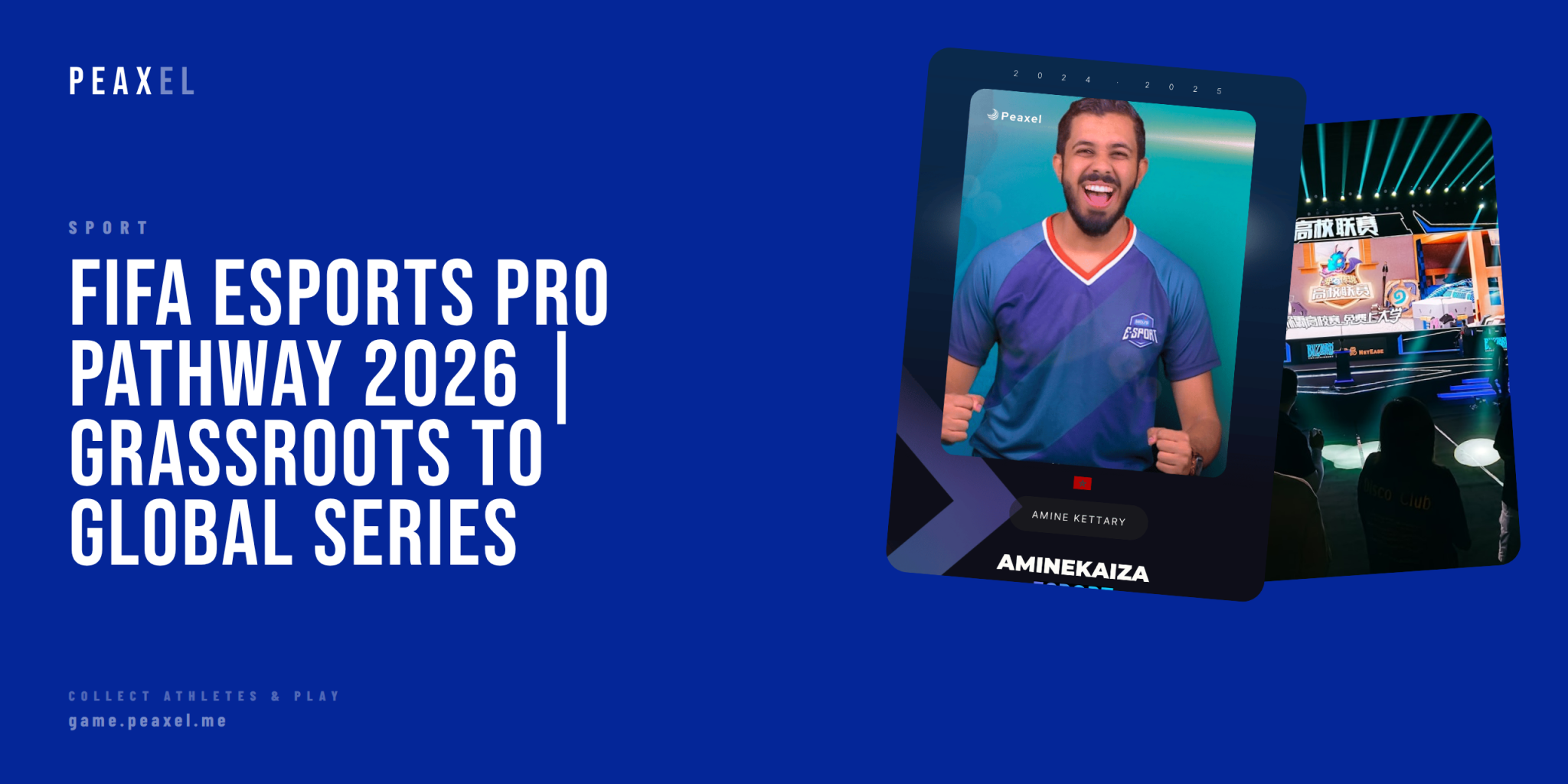
Players like Amine Kettary, known as KaiZa in the gaming community, represent this development. Having competed for Morocco in international FIFA competitions, he exemplifies the pathway from regional competitor to recognized professional. His transition into content creation alongside competitive play demonstrates the multiple career tracks available in modern FIFA esports.
African regional qualifiers have expanded significantly, offering players from Morocco, Egypt, South Africa, and other nations direct pathways to global competition. The infrastructure continues developing, with more tournament opportunities and regional recognition each season.
Skills Required for Professional Play
Technical skill in FIFA extends far beyond basic controls. Professional players master skill moves, timed finishing, and defensive mechanics at levels that make elite play appear effortless. Hours of practice in specific scenarios—corners, free kicks, penalty situations—build the automatic responses needed under tournament pressure.
Meta understanding separates good players from great ones. Each FIFA iteration brings balance changes, new mechanics, and shifting optimal strategies. Professionals dedicate significant time to testing formations, player instructions, and custom tactics. They identify which players perform above their ratings and which popular choices underdeliver.
Mental game matters enormously. Tournament matches last 12 minutes of game time, during which concentration cannot waver. Managing tilt after conceding, maintaining composure in tight matches, and executing under crowd pressure require psychological preparation beyond pure gameplay skill.
The Business of Professional FIFA
Professional FIFA players generate income through multiple streams. Prize money from tournaments provides direct earnings, but sponsorships, streaming revenue, and team salaries often exceed competitive winnings.
Esports organizations sign FIFA players to represent their brands in competition. These contracts provide stable income, coaching support, and promotional opportunities. Teams like Fnatic, Team Gullit, and regional organizations field FIFA rosters alongside their other esports titles.
Content creation has become inseparable from competitive success. Players stream practice sessions, create educational content, and build personal brands that attract sponsors. The most successful professionals combine tournament results with strong social media presence and engaged communities.
Getting Started: Practical Steps
For players considering the competitive pathway, the journey begins with honest self-assessment. Consistent Elite Division placement and Weekend League finishes above 16 wins indicate readiness to explore official competition. Below that level, focused improvement should precede tournament entry.
Study professional gameplay through streams and tournament broadcasts. Analyze how top players position defenders, create attacking opportunities, and manage game states. Implement specific techniques rather than trying to copy entire playstyles.
Join competitive communities where players share meta insights and organize practice matches. Discord servers, Reddit communities, and regional FIFA groups connect aspiring professionals with others at similar levels. Regular practice against quality opponents accelerates improvement more than grinding against random online matchmaking.
Track your own performance data. Record Weekend League results, analyze losses, and identify patterns in your gameplay that need addressing. Improvement comes from targeted practice on specific weaknesses rather than generic volume.
The Future of FIFA Esports
Competitive FIFA continues growing as EA Sports invests in tournament infrastructure, broadcasting quality, and regional expansion. The transition from FIFA to EA Sports FC has brought renewed focus on the competitive scene, with larger prize pools and more professional organization.
Mobile platforms and cross-play features are expanding the potential player base. Regional development in Africa, Asia, and the Middle East is producing new talent and creating pathways that didn’t exist five years ago. The sport is genuinely globalizing.
For fans interested in following competitive FIFA or exploring the esports scene, Peaxel offers ways to engage with FIFA esports athletes alongside competitors from dozens of other sports disciplines. The platform connects fans with athletes across the competitive gaming landscape, including professionals building careers through the Global Series pathway.