What Is Inline Speed Skating?
Inline speed skating is exactly what it sounds like: racing on inline skates at extraordinary speeds. Athletes reach over 50 km/h on straightaways, making it the fastest non-motorized sport on land outside of gravity-assisted disciplines like downhill skiing. The sport combines explosive power, aerobic endurance, and tactical intelligence in ways that surprise newcomers.
Unlike recreational inline skating, competitive speed skating uses specialized low-cut boots with five wheels arranged in a single line. The wheels are larger than standard recreational skates—typically 100mm to 125mm—designed to maximize speed and efficiency. Frames are longer to accommodate the extra wheel, and the entire setup weighs surprisingly little given the engineering involved.
The sport is governed globally by World Skate, the same federation overseeing skateboarding and artistic roller skating. Inline speed skating has been a fixture at the World Games since 2001 and is currently under consideration for the Los Angeles 2028 Olympic Games, which has sparked renewed global interest.
Race Formats: From 200m Sprints to Marathons
One of inline speed skating’s greatest strengths is its variety. Competitions feature multiple race formats that test different athletic qualities, keeping spectators engaged and athletes versatile.
Track Racing
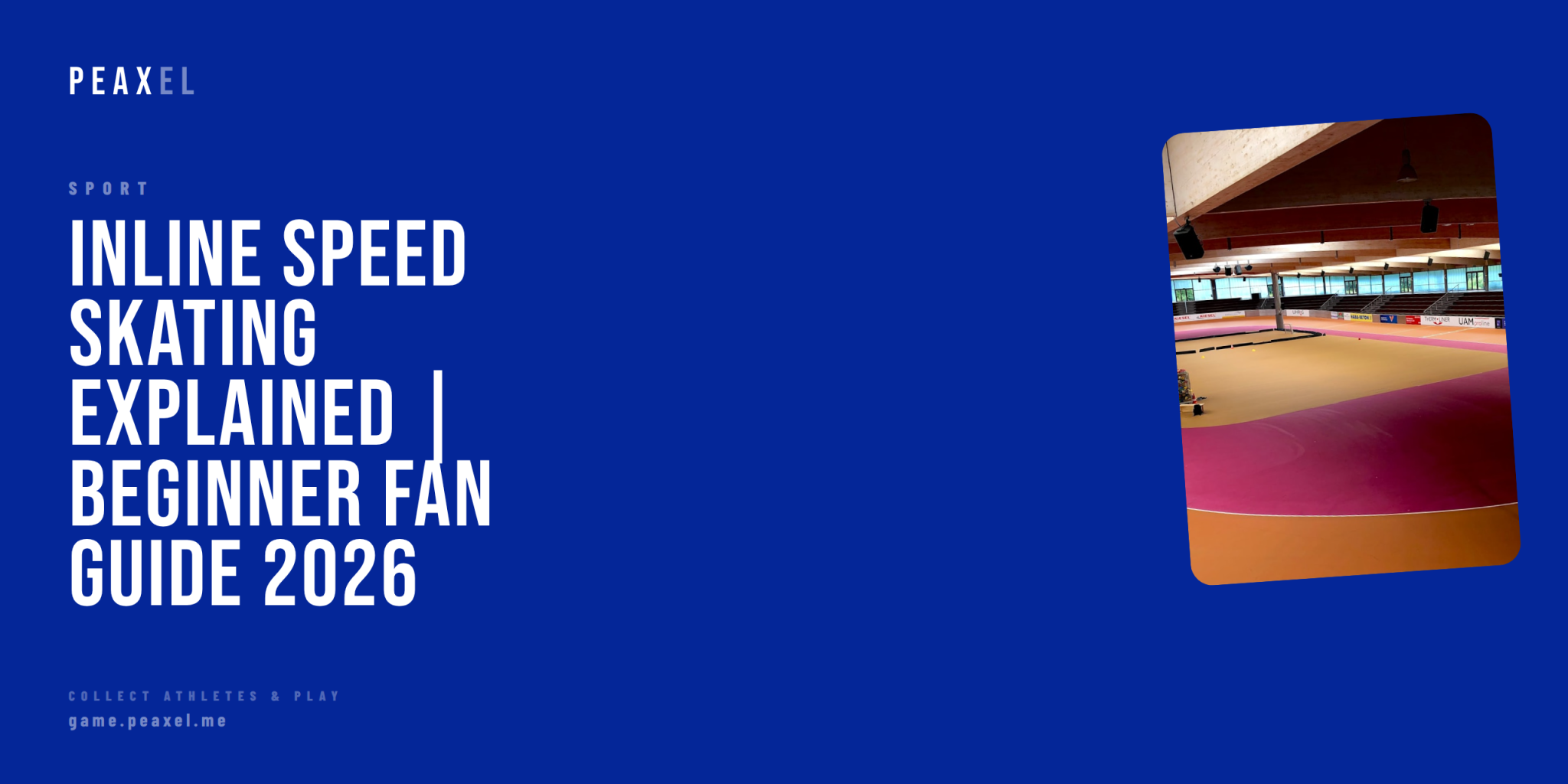
Track events take place on 200-meter banked ovals, similar to short-track ice skating. Distances range from 200m time trials—pure explosive speed—to 10,000m races requiring sustained endurance and pack tactics. The banked turns allow skaters to maintain higher speeds through corners, and the close-quarters racing creates frequent lead changes and dramatic finishes.
Points races add tactical complexity: skaters earn points for intermediate sprints throughout the race, meaning the first to cross the final line doesn’t always win. Elimination races remove the last-place skater every few laps, creating escalating pressure as the field shrinks.
Road Racing
Road events take inline skating to city streets and purpose-built circuits. Races can stretch to marathon distance (42.195 km), with elite skaters completing the distance in under an hour. The Berlin Inline Marathon annually attracts over 5,000 participants, making it one of the largest inline skating events globally.
Road racing introduces variables absent from tracks: wind, terrain changes, and strategic positioning in large pelotons. Drafting matters enormously at high speeds, and breakaway attempts require perfect timing and teamwork.
The 2026 World Championships: Colombia’s Dominance
The 2026 World Inline Speed Skating Championships concluded in April in Cali, Colombia, marking the sport’s largest-ever world championships. Over 600 athletes from more than 50 nations competed across track and road disciplines, with Colombia demonstrating why it has become inline skating’s superpower.
Colombian athletes swept multiple gold medals, continuing a decade-long dominance that began when the country invested heavily in inline skating infrastructure and development programs. Stars like Gabriela Rueda, who won multiple individual golds, have become national celebrities. The passionate Colombian crowds at the Mundialito venue created an atmosphere rivaling any major sporting event.
Other strong performances came from traditional powers Italy, France, and Chinese Taipei, while emerging nations like Argentina and Mexico showed growing depth. The championship’s success has strengthened the sport’s case for Olympic inclusion.
Why Colombia Dominates Inline Speed Skating
Colombia’s rise to inline skating supremacy is no accident. The country established dedicated training centers, funded athlete development from grassroots to elite levels, and built competitive circuits that give young skaters regular racing opportunities. Cali alone has produced multiple world champions.
The cultural embrace of inline skating also matters. In Colombia, speed skating stars appear on magazine covers and prime-time television. This visibility creates aspirational pathways for young athletes and ensures continued talent flow into the sport. Other nations have begun studying Colombia’s model to replicate its success.
Key Rules New Fans Should Know
Understanding a few basic rules makes inline speed skating far more watchable:
Lane violations: In track racing, skaters must maintain their assigned position during starts. Cutting inside before the designated zone results in disqualification or penalties.
Pack dynamics: Pushing or blocking opponents is prohibited, but close contact is inevitable at high speeds. Referees distinguish between incidental contact and deliberate interference.
Photo finishes: Like cycling, races are decided by skate position at the finish line, not torso. This leads to dramatic lunging finishes where millimeters separate medalists.
Relay exchanges: Team relay events require clean hand-touch exchanges between teammates. Botched exchanges can cost teams crucial seconds or result in disqualification.
Equipment That Makes Speed Possible
Elite inline speed skates are engineering marvels optimized for one purpose: going fast. The boots are carbon fiber shells that sacrifice ankle support for weight reduction and power transfer. Every gram matters when you’re pushing through a marathon.
Wheel selection varies by event. Sprinters favor smaller wheels (100mm) for acceleration, while marathon skaters use larger wheels (125mm) that maintain speed more efficiently. Bearing quality affects rolling resistance—top athletes use ceramic bearings that spin nearly frictionless.
Frames—the aluminum or carbon strips holding wheels to boots—come in varying lengths. Longer frames increase stability at speed but reduce maneuverability. Athletes choose setups based on event type and personal preference.
The Olympic Question: LA 2028 and Beyond
Inline speed skating’s Olympic ambitions have never been closer to reality. World Skate has actively lobbied for inclusion at Los Angeles 2028, arguing that the sport offers spectacular racing, global participation, and infrastructure that already exists in most major cities.
The LA organizing committee has shown interest, recognizing that inline skating resonates with Southern California’s action sports culture. A decision on additional sports for 2028 is expected by 2025, with inline skating considered a strong candidate alongside cricket and flag football.
Olympic inclusion would transform the sport’s visibility and funding structures overnight. Countries that have underinvested in inline skating would suddenly have Olympic medal opportunities worth pursuing, potentially reshaping the competitive landscape.
How to Follow Inline Speed Skating
World Skate streams major championships on its YouTube channel and website. National federations often broadcast domestic competitions, and the Berlin Marathon offers particularly accessible coverage for new viewers.
Social media accounts of top athletes provide behind-the-scenes glimpses into training and competition life. Following Colombian stars offers entry into the sport’s most passionate fan community.
For those wanting deeper engagement, Peaxel offers fantasy sports experiences across action sports disciplines. As inline skating grows toward potential Olympic status, platforms like Peaxel provide ways for fans to connect with emerging athletes across dozens of sports beyond traditional mainstream coverage.
A Sport Worth Discovering
Inline speed skating combines accessibility with elite athleticism. Anyone who has strapped on recreational skates understands the basic motion, yet watching professionals execute at world-class level reveals depths of technique and strategy invisible to casual observers.
The sport’s growth trajectory, Colombia’s electric dominance, and Olympic momentum make this an ideal moment to start paying attention. Whether through live streams of world championships or following your first inline skating athletes on social platforms, the fastest sport on wheels rewards new fans with spectacular racing and a welcoming global community.