The Hidden World of Men’s Artistic Gymnastics
Men’s artistic gymnastics operates in a world few casual sports fans ever see. Behind the Olympic broadcasts and viral clips of iron cross holds lies a culture built on years of quiet dedication, early morning training sessions, and communities forged inside gym walls. It is a sport where success is measured in millimeters and milliseconds, and where the bonds between athletes, coaches, and clubs run deeper than most outsiders realize.
Unlike team sports with massive fanbases and constant media coverage, men’s artistic gymnastics thrives in relative obscurity. The athletes who compete on pommel horse, rings, vault, parallel bars, horizontal bar, and floor exercise often train for a decade or more before reaching elite competition. The culture that emerges from this long journey is unlike anything else in sport.
Club Culture: Where Gymnasts Are Made
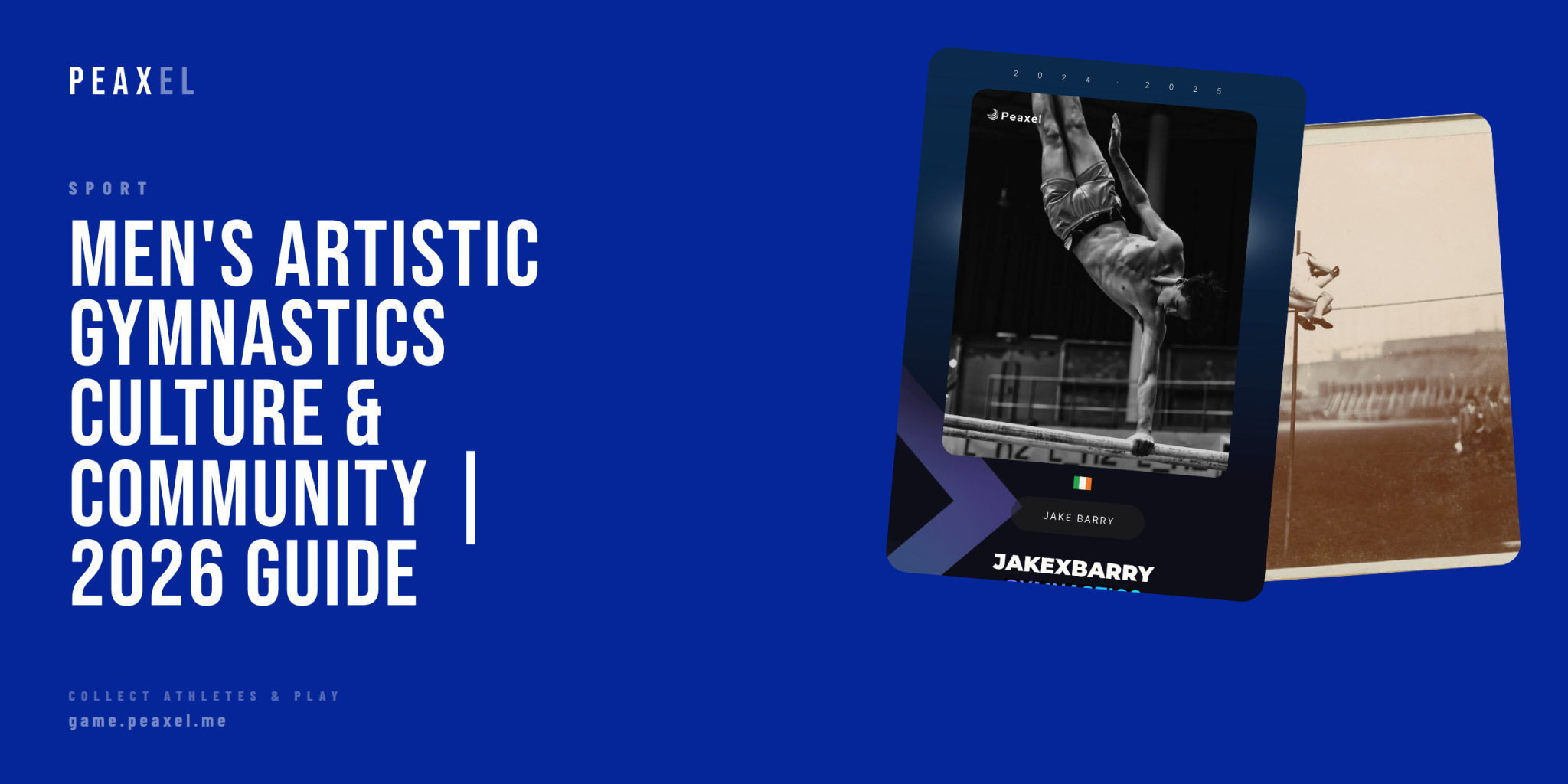
At the foundation of men’s artistic gymnastics are the clubs. These are the places where young athletes first learn a forward roll and eventually progress to double-twisting double backflips. In Ireland, Jake Barry developed his skills at Douglas Gymnastics Club before being selected to the Gymnastics Ireland Men’s Artistic National Squad for the 2024-2025 season. His path from local competitor to international representative at events like the Austrian Future Cup reflects a journey thousands of gymnasts around the world share.
Clubs are more than training facilities. They become second homes. Athletes spend 20 to 30 hours per week in the gym during competitive seasons, and the friendships formed during those hours last lifetimes. Coaches often work with the same athletes for years, creating mentorship relationships that extend far beyond technique correction.
The Role of Provincial and National Programs
As gymnasts advance, they enter provincial and national team structures that add another layer to the community. In Canada, Trentin Milligan has competed for Team Ontario at the Canadian Championships, claiming the junior all-around title. His training across all six apparatus—floor, pommel horse, rings, vault, parallel bars, and horizontal bar—represents the comprehensive development Canadian gymnastics programs emphasize.
National squads create ecosystems where athletes push each other to improve. Training camps bring together gymnasts from different clubs, fostering both competition and camaraderie. The shared experience of pursuing national team selection creates bonds that transcend regional rivalries.
The Unspoken Code of the Gymnastics Gym
Step inside any men’s artistic gymnastics training facility and you will notice an unspoken code. Athletes respect the equipment, the space, and each other’s training time. Chalk dust hangs in the air. Music rarely plays during serious training blocks. Concentration is paramount because a single lapse can mean injury.
This environment creates a culture of mutual respect. When a gymnast lands a skill they have been working on for months, the entire gym often stops to acknowledge it. Failures are met with encouragement rather than judgment. The sport is too difficult and too dangerous for anything less than complete support among training partners.
Coaches as Cornerstones
Coaches in men’s artistic gymnastics occupy a unique position. They are part technical instructor, part psychologist, part safety officer. A coach must know exactly when to push an athlete toward a new skill and when to hold back. The trust between gymnast and coach is absolute—athletes literally put their bodies in coaches’ hands during spotting.
Many of the sport’s most successful coaches were former gymnasts themselves, creating a lineage of knowledge passed from generation to generation. This continuity helps preserve the culture even as techniques evolve.
Competition Day: Community on Display
Gymnastics competitions reveal the community in full. Unlike sports where opponents are adversaries, gymnasts routinely cheer for competitors from other clubs and countries. A clean routine is celebrated regardless of who performs it. The warm-up hall before competition is often filled with athletes helping each other stretch, offering encouragement, and sharing tips about the equipment setup.
This spirit extends to international events. When Jake Barry competed at the Austrian Future Cup in Linz in November 2023, he joined gymnasts from across Europe in a shared display of the sport’s values. Results matter, but so does sportsmanship.
The Fan Community
Fans of men’s artistic gymnastics tend to be deeply knowledgeable. Many are former gymnasts, parents of current athletes, or coaches. Online communities dissect routines, debate difficulty values, and celebrate achievements both large and small. Social media has expanded this community significantly—athletes like Trentin Milligan share their training journeys directly with fans, creating connections that were impossible a generation ago.
Fantasy sports platforms like Peaxel have opened new ways for fans to engage with the sport, allowing supporters to follow athletes like Jake Barry and Trentin Milligan through their competitive seasons.
The Physical and Mental Demands
Understanding the culture of men’s artistic gymnastics requires understanding its demands. The sport requires extraordinary strength—gymnasts perform skills that seem to defy physics. Ring specialists hold their bodies in positions that generate forces multiple times their body weight. Pommel horse requires endurance and precision through continuous circular motion.
The mental demands are equally intense. Gymnasts must perform complex sequences under pressure, knowing that a single error can end a competition. The culture has developed rituals and mental techniques to manage this pressure, from visualization practices to pre-routine breathing patterns.
Longevity and Sacrifice
Men’s artistic gymnasts often begin training in early childhood and do not reach their competitive peak until their early twenties. This extended development period requires sacrifices—missed social events, dietary restrictions, and countless hours in the gym while peers pursue other activities. The culture normalizes these sacrifices because everyone around the athlete has made similar choices.
The community provides support during injuries, which are unfortunately common. Gymnasts who have been through rehabilitation often become resources for teammates facing similar challenges.
Growing the Sport’s Visibility
Men’s artistic gymnastics has traditionally struggled for mainstream attention outside Olympic years. However, the community has worked to change this. National federations promote domestic competitions more actively. Athletes use social media to share their training and personalities. Organizations like Gymnastics Ireland and Gymnastics Canada invest in grassroots programs to grow participation.
The sport’s culture of excellence and community makes it particularly well-suited for engaged fan platforms. On Peaxel, gymnastics fans can discover athletes from club level through international competition, supporting the next generation of champions.
A Culture Built to Last
Men’s artistic gymnastics will never have the audience of football or basketball. But its culture does not require mass attention to thrive. The sport’s strength lies in its tight-knit communities, its emphasis on long-term development, and its values of discipline, respect, and mutual support.
Athletes like Jake Barry in Ireland and Trentin Milligan in Canada represent the continuation of traditions passed down through decades of gymnastics culture. Their journeys from local clubs to national squads follow paths walked by generations before them. And when they eventually step away from competition, many will stay connected to the community that shaped them—as coaches, judges, or supporters.
For fans looking to connect more deeply with the athletes building careers in men’s artistic gymnastics, platforms like Peaxel offer a window into this dedicated world.