What Makes Freestyle Football a Global Community Sport
Freestyle football exists at the intersection of sport, art, and social connection. Unlike traditional football played on pitches with teams and referees, freestyle is an individual discipline where athletes perform tricks, combinations, and choreographed routines using a football. But what truly defines freestyle football is its community—a decentralized, digitally connected network of athletes, fans, and event organizers spanning every continent.
The sport has no billion-dollar leagues or massive stadium infrastructure. Instead, it thrives through social media platforms, grassroots jams, and annual competitions that bring the global community together. This structure creates an unusually accessible and intimate sporting culture where world champions interact directly with aspiring freestylers, and regional scenes feed into international events.
The Competition Circuit: From Local Jams to Super Ball
Freestyle football’s competitive structure centers on a handful of major events that serve as gathering points for the global community. Super Ball, held annually in Prague, Czech Republic, functions as the unofficial world championship. Athletes from over 40 countries compete across multiple categories including battles, routines, and sick three (best trick combinations). The event draws hundreds of competitors and thousands of spectators, transforming Prague into the freestyle capital for one week each summer.
Red Bull Street Style operates as the other major global competition, with national qualifiers feeding into a world final. The format emphasizes head-to-head battles judged on creativity, difficulty, execution, and control. Regional circuits like Freestyle Connect Africa have expanded the competitive pathway, creating continental championships that qualify athletes for world-level events.
How Competitions Build Community
What distinguishes freestyle football competitions from other sports is the atmosphere. Events function as reunions where online friendships become physical. Athletes who have followed each other’s progress through Instagram videos finally meet, train together, and compete. The battle format creates intense rivalries during competition that dissolve into mutual respect and collaboration immediately afterward.
Judging panels typically include retired or active elite freestylers, maintaining credibility within the community. Athletes trust the evaluation because judges understand the nuances—the difference between a clean around-the-world and one with slight hesitation, or the innovation required to execute a never-before-seen combination.
Social Media as the Backbone of Freestyle Culture
Instagram and TikTok function as the primary infrastructure for the freestyle football community. Unlike sports with broadcast television deals, freestyle built its audience through short-form video content. Athletes post training clips, trick tutorials, and competition highlights directly to followers, creating personal brands independent of any governing body or media company.
This direct-to-fan model has advantages and challenges. Freestylers can build international followings from anywhere—a teenager in Morocco can attract the same audience as an established European champion if their content resonates. The algorithm rewards creativity and consistency, aligning with freestyle’s core values. However, the reliance on social platforms means athletes must constantly produce content to maintain visibility, adding a media production burden to their training.
The Role of Community Challenges and Collaborations
Freestyle football culture includes regular community challenges where athletes attempt specific tricks or combinations, tagging each other and creating chains of content. These challenges introduce new skills, generate engagement, and maintain activity between major competitions. Collaborations between freestylers from different countries—often filmed during competition travel—expand networks and cross-pollinate regional styles.
The community also maintains informal mentorship structures. Established athletes share detailed tutorials, respond to technique questions, and celebrate newcomers’ progress. This accessibility distinguishes freestyle from sports where elite athletes remain distant from developing competitors.
Regional Scenes and Their Distinct Cultures
While freestyle football operates as a global community, regional scenes maintain distinct identities. European freestyle, particularly in Poland, Norway, and the UK, emphasizes technical precision and battle performance. Japanese freestyle football culture prioritizes artistic expression and routine choreography. South American freestylers often integrate street football creativity with technical tricks.
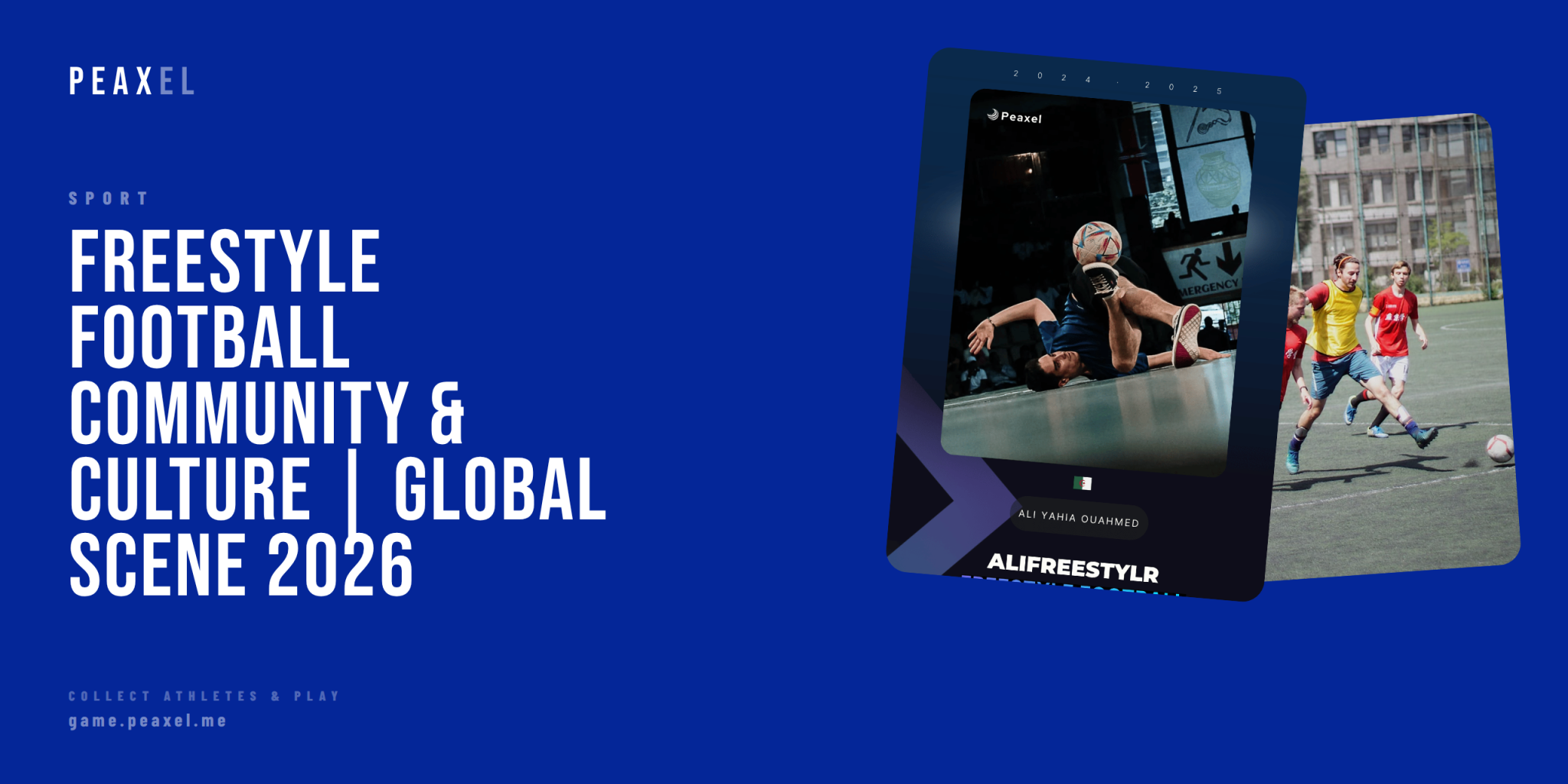
African freestyle football has experienced significant growth, with Ali Yahia Ouahmed representing the continent’s rising prominence. His African championship victory at Freestyle Connect Africa 2023 in Cairo demonstrated the depth of talent emerging from Algeria, Morocco, Egypt, and Nigeria. Events like Freestyle Connect Africa create infrastructure that previously didn’t exist, allowing African freestylers to compete at continental level before reaching world championships.
How Geography Shapes Style
Training environments influence regional styles. Athletes in colder climates develop indoor-focused techniques, while those in warmer regions often train outdoors with different surface considerations. Urban density affects training locations—some freestylers build their skills in public parks surrounded by curious onlookers, while others train in dedicated facilities or home setups.
These geographic influences create diversity that enriches the global community. When athletes from different regions meet at Super Ball or Red Bull Street Style, the style clashes produce innovation. A Brazilian lower-body specialist might learn upper-body combinations from a Norwegian technician, then create hybrid tricks that neither could have developed alone.
The Economics of Freestyle Football Community
Freestyle football operates on a micro-economy compared to mainstream sports. Prize money at major competitions ranges from a few thousand euros to modest five-figure sums for world champions. Most freestylers sustain their careers through a combination of social media sponsorships, brand ambassador roles, performance appearances, and tutorial content.
Equipment sponsors—football brands, lifestyle companies, and energy drinks—provide product support and occasional financial backing to top athletes. The authenticity-driven nature of freestyle means sponsored content must feel genuine to maintain audience trust, limiting the commercialization that transforms other sports.
Grassroots Event Organization
Many freestyle events are organized by community members rather than external promoters. Former competitors become event directors, maintaining the culture’s values while building sustainable competition structures. This community-run model keeps events accessible—entry fees remain low, venues prioritize atmosphere over capacity, and scheduling accommodates athletes traveling on limited budgets.
The approach creates challenges for professionalization but preserves what makes freestyle football distinctive. Athletes have genuine input on competition formats, judging criteria, and event policies because organizers remain part of the community rather than external business interests.
Discovering Freestyle Football Athletes on Peaxel
For fans interested in following freestyle football’s global community, Peaxel offers a platform to discover and support athletes across the sport. Freestylers like Ali Yahia Ouahmed maintain profiles where fans can track their competition results and career progress. The Peaxel game allows fans to build teams featuring freestyle football athletes alongside competitors from over 100 other sports.
The freestyle football community continues to grow through its unique combination of individual expression and collective support. Understanding this culture—the competitions, the social media ecosystem, the regional scenes, and the grassroots economics—provides context for appreciating what makes the sport’s athletes remarkable. Whether attending Super Ball in Prague or following favorite freestylers online, fans become part of a community that values creativity, accessibility, and genuine human connection above all else.