What Makes Power Tumbling Culture Unique
Power tumbling exists in a fascinating space between gymnastics and extreme sports. Athletes sprint down a 25-meter sprung track, launching into sequences of flips, twists, and somersaults that push the boundaries of human rotation. Unlike artistic gymnastics, where elegance and artistry share the spotlight, power tumbling rewards raw explosive power and aerial precision above all else.
The community that has formed around this discipline is remarkably tight-knit. Training facilities specializing in tumbling and trampoline disciplines are relatively rare compared to traditional gymnastics gyms, which means athletes often travel significant distances to train together. This geographic concentration creates intense bonds between competitors who might face each other at nationals but train side by side year-round.
At gyms like Dynamite Gymnastics in Maryland and Wasatch Trampoline and Tumbling in Utah, athletes from across the country converge to work with specialized coaches. These facilities have become cultural hubs where the sport’s innovations are born and its traditions are passed down.
The Gym Network Driving Power Tumbling Forward
Power tumbling’s growth in the United States can be traced through a network of dedicated facilities that have produced generation after generation of world-class athletes. Vargas Academy of Gymnastic Arts in Scotts Valley, California, has become legendary for developing young talent, including athletes who have gone on to represent the USA at World Championships and World Games.
The culture inside these gyms emphasizes creativity alongside technical mastery. Athletes are encouraged to experiment with new combinations and push difficulty boundaries, knowing that innovation is what separates good tumblers from great ones. This experimental mindset has led to historic achievements, including record-breaking skills that were once thought impossible.
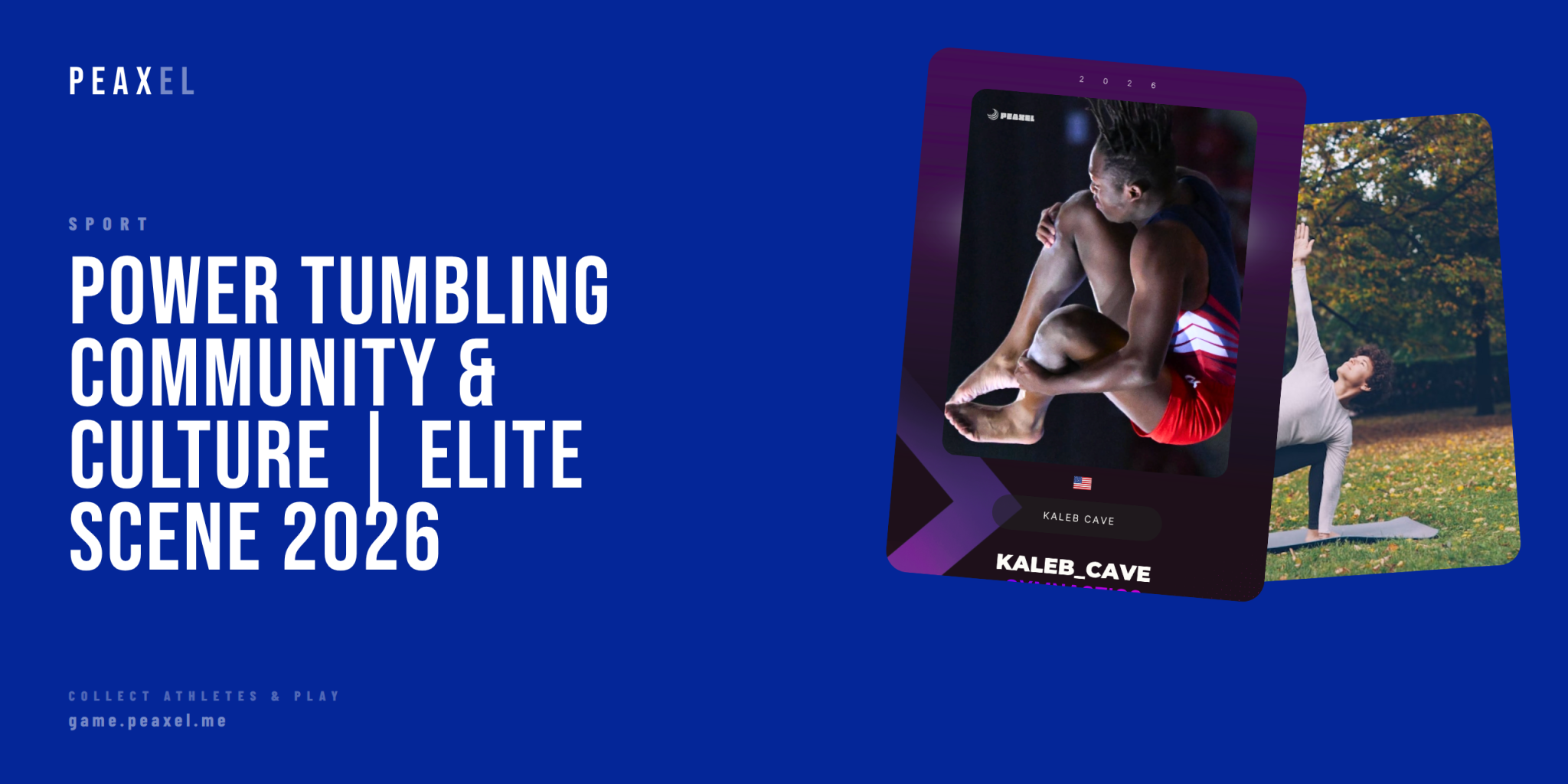
Kaleb Cave, a 20-year-old power tumbler from Columbia, Maryland, exemplifies this innovative spirit. He holds the world record as the youngest athlete to perform a standing double backflip, a feat that demonstrates both the technical demands of the sport and the creative culture that encourages athletes to attempt unprecedented skills. Cave trains at Dynamite Gymnastics while pursuing a Mechanical Engineering degree at UMBC, where he also competes as a varsity diver. His journey through the USA Gymnastics system, including appearances at FIG World Championships in Sofia and Nanjing, reflects the structured pathway that exists within this close-knit community. You can follow his career on Peaxel.
Competition Culture and the World Stage
FIG World Championships represent the pinnacle of power tumbling competition, drawing athletes from dozens of nations to compete for global supremacy. The atmosphere at these events combines the intensity of elite sport with a genuine camaraderie that distinguishes tumbling from many other disciplines.
Athletes who compete against each other fiercely on the competition floor often warm up together and share training tips between rounds. This collaborative spirit stems from the sport’s relatively small global footprint. With fewer competitors than sports like artistic gymnastics, power tumblers develop relationships that span continents and persist across entire careers.
The scoring system in power tumbling rewards both execution and difficulty, creating a strategic element that adds depth to competition. Athletes must decide how much risk to take on each pass, balancing the potential for higher scores against the possibility of falls or deductions. This decision-making process is often discussed openly within the community, with veteran athletes mentoring newcomers on competition strategy.
Social Media and the New Generation
Instagram and TikTok have transformed how power tumbling athletes connect with fans and each other. Athletes like Cave, who has over 140,000 Instagram followers, share training footage, competition highlights, and glimpses into daily life that humanize the sport for audiences who might never attend a live event.
This digital presence has helped power tumbling reach new audiences and attract young athletes to the discipline. Viral clips of incredible tumbling passes generate millions of views, introducing the sport to potential fans who then seek out competition broadcasts and athlete profiles.
The community has embraced this digital evolution while maintaining its core values of mutual support and technical excellence. Online discussions about training methods and skill progressions extend the collaborative culture that exists in gyms to a global scale.
From Grassroots to World Games Glory
The pathway from local gym to international competition in power tumbling is well-defined but demanding. Young athletes typically begin in recreational tumbling classes before being identified as having the explosive power and spatial awareness required for competitive success.
USA Gymnastics provides a structured development pathway through regional and national competitions, with athletes progressing through junior levels before reaching senior elite status. Selection to the National Team represents the culmination of years of dedicated training and successful competition results.
The World Games, held every four years in the year following the Summer Olympics, serves as the highest-profile event for power tumbling outside of World Championships. The 2022 World Games in Birmingham, Alabama, brought unprecedented attention to the sport in the United States, with American athletes competing before home crowds and generating mainstream media coverage.
Injuries, Resilience, and Community Support
The physical demands of power tumbling inevitably lead to injuries, and the community’s response to athlete setbacks reveals its supportive nature. When Cave suffered an Achilles tendon tear in 2025, his rapid comeback was supported by the network of coaches, athletes, and facilities that make up the tumbling world.
Athletes share rehabilitation experiences and encourage each other through difficult recoveries. This mutual support extends beyond physical injuries to mental health challenges, with the community increasingly open about the psychological demands of elite competition.
The culture of resilience in power tumbling reflects the sport’s fundamental nature: athletes must overcome fear and physical limitations every time they step onto the track. This shared experience of confronting challenges creates bonds that persist long after competitive careers end.
Discover Power Tumbling Athletes on Peaxel
Power tumbling’s unique community continues to grow as the sport gains visibility through digital platforms and international competition. For fans interested in following the careers of elite tumblers and supporting their journey, Peaxel offers a way to engage with athletes across dozens of sports, including this explosive discipline where human flight meets athletic precision.