What Is Pro D2 and Why Does It Matter?
Pro D2 is France’s second-tier professional rugby union competition, sitting directly below the elite Top 14. The league features 16 clubs competing across a grueling regular season, with the top two earning automatic promotion and places three through six entering playoffs. This structure creates intense competition where financial sustainability and sporting ambition must coexist.
Unlike many second divisions in European sports, Pro D2 operates with genuine professional infrastructure. Clubs maintain full-time squads, dedicated training facilities, and commercial operations that rival lower-tier Top 14 teams. The 2024-25 season saw average match attendance exceed 5,000, demonstrating the passionate regional fanbases that drive the league’s commercial appeal.
The Revenue Pillars of Pro D2 Rugby
Broadcast Rights and Media Value
Pro D2 benefits from a collective broadcast agreement negotiated by the Ligue Nationale de Rugby (LNR). The current cycle provides each club with guaranteed media revenue, though significantly less than Top 14 counterparts. This gap creates both challenge and opportunity—clubs must maximize local commercial partnerships while building the brand recognition that could attract larger media attention.
Streaming platforms have increasingly targeted Pro D2 content, recognizing the league’s value for dedicated rugby audiences. International viewers can access matches through various partners, expanding the potential sponsor reach beyond traditional regional boundaries.
Regional Sponsorship Networks
The heart of Pro D2 economics lies in regional sponsorship. Clubs like RC Vannes, SA XV Charente, and Oyonnax cultivate deep relationships with local businesses, tourism boards, and regional governments. These partnerships often extend beyond simple logo placement into community integration programs.
A typical Pro D2 club maintains 50 to 100 active sponsorship relationships, ranging from major jersey partners to hospitality package purchasers. The cumulative effect creates diversified revenue streams less vulnerable to single-partner dependency. Regional pride drives many of these relationships—local businesses want association with the sporting institution representing their community.
Matchday and Hospitality Revenue
Pro D2 clubs maximize stadium assets through creative hospitality offerings. Corporate boxes, pitch-side dining, and premium seating packages generate significant per-match revenue. Many clubs have invested in facility upgrades specifically to enhance these commercial opportunities.
The promotion race adds natural drama that drives ticket sales. When a club enters the final weeks with playoff hopes, attendance spikes provide crucial late-season revenue. This sporting volatility creates business planning challenges but also engagement opportunities that purely stable leagues lack.
Player Development as Economic Strategy
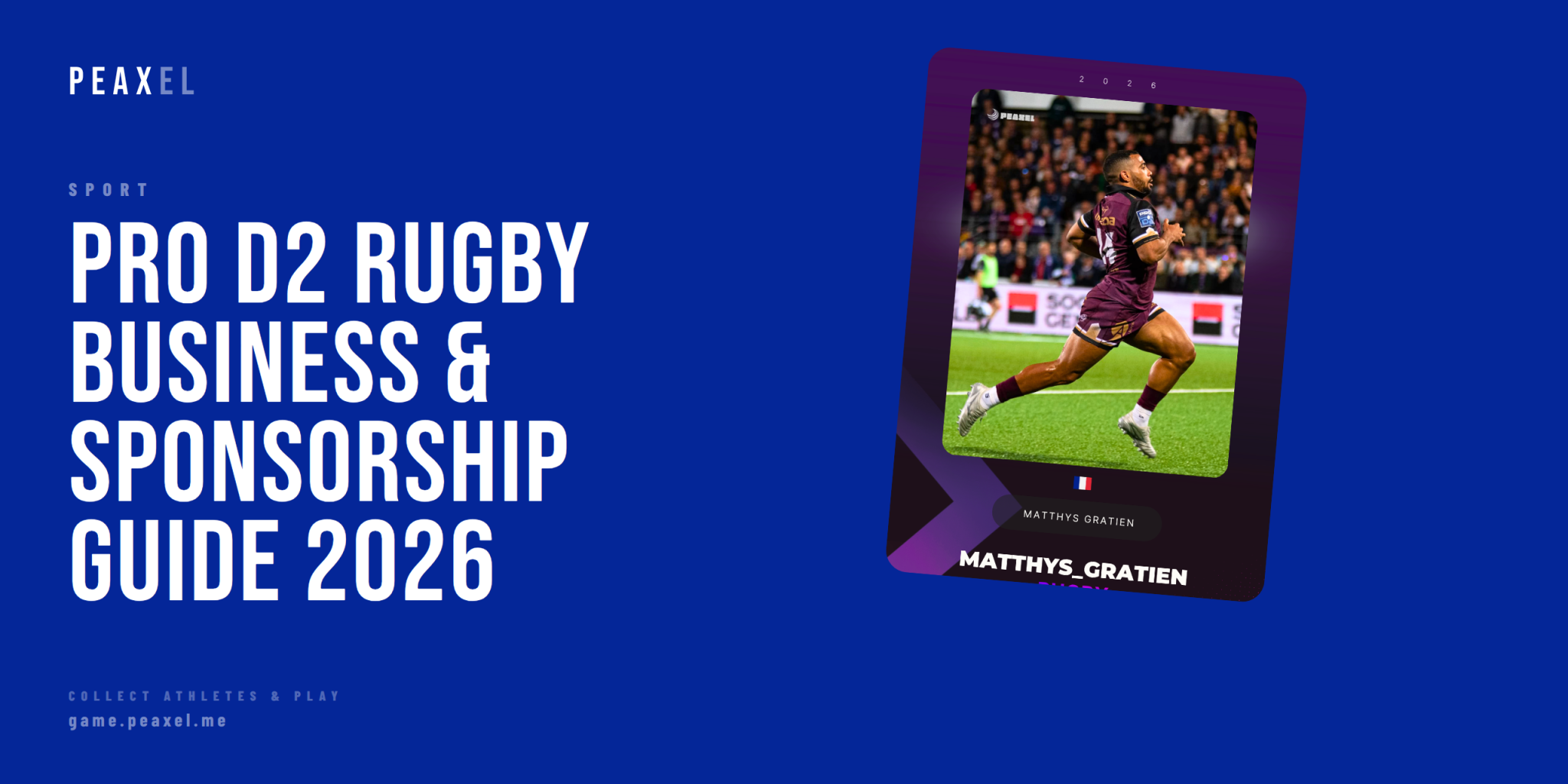
Pro D2 clubs have increasingly positioned themselves as development environments for emerging talent. Young players like Matthys Gratien, who progressed through RC Vannes’ academy before joining SA XV Charente, exemplify this pathway. Clubs that successfully develop and sell players to Top 14 teams generate transfer fees while maintaining salary cost efficiency.
The JIFF (Joueur Issu des Filières de Formation) system rewards clubs for fielding French-trained players, creating financial incentives aligned with development strategy. Gratien’s journey from La Roche-sur-Yon youth rugby through the Vannes academy to professional competition demonstrates how structured pathways serve both sporting and economic objectives.
This development model attracts sponsors interested in youth engagement and community impact. Training center naming rights and academy partnerships provide revenue while reinforcing the club’s regional identity as a talent incubator.
The Promotion Premium and Its Risks
Promotion to Top 14 represents a transformative financial event. Broadcast revenue increases dramatically, sponsor values multiply, and player recruitment possibilities expand. However, this potential creates dangerous incentive structures. Clubs have historically overinvested chasing promotion, accumulating unsustainable costs that become catastrophic if the sporting objective fails.
The LNR has implemented financial controls requiring clubs to demonstrate economic viability for potential promotion. These regulations aim to prevent the boom-bust cycles that have damaged clubs in various European leagues. Sustainable Pro D2 operations increasingly focus on building foundations that could support Top 14 participation rather than gambling everything on a single season.
Community Integration and Social Value
Pro D2 clubs generate social value that translates into political and commercial support. Community programs, school partnerships, and local event hosting create goodwill that influences municipal decisions on stadium investments and operational support. Several clubs benefit from publicly-owned or subsidized facilities that dramatically reduce infrastructure costs.
This community integration also drives volunteer engagement. Match-day operations at many Pro D2 clubs rely partially on volunteer networks, reducing staffing costs while deepening fan investment. The model requires careful balance—volunteers need meaningful experiences, not exploitation.
Digital Engagement and New Revenue Streams
Forward-thinking Pro D2 clubs have expanded digital engagement to capture value beyond traditional matchday attendance. Social media monetization, merchandise e-commerce, and content partnerships create revenue streams accessible to fans regardless of geographic proximity.
Fantasy sports platforms like Peaxel offer additional engagement opportunities for rugby fans interested in following Pro D2 talent. As the range of sports on Peaxel demonstrates, niche competitions with passionate fanbases often generate strong fantasy engagement.
Player-driven content has emerged as particularly valuable. Athletes sharing training insights, match preparation, and personal journeys create authentic connections that sponsors increasingly value over traditional advertising. Clubs that support and coordinate this content creation capture commercial benefits while respecting player individuality.
The Path Forward for Pro D2 Economics
Pro D2’s business model continues evolving as clubs balance competitive ambition with financial sustainability. The most successful organizations combine passionate regional identity with professional commercial operations, creating enterprises that serve communities while generating returns for investors and sponsors.
For fans interested in understanding how professional rugby operates beyond the elite tier, Pro D2 offers a compelling case study in sports business fundamentals. The league proves that meaningful professional competition can thrive through smart sponsorship, community integration, and strategic player development—lessons applicable across many sports and markets.