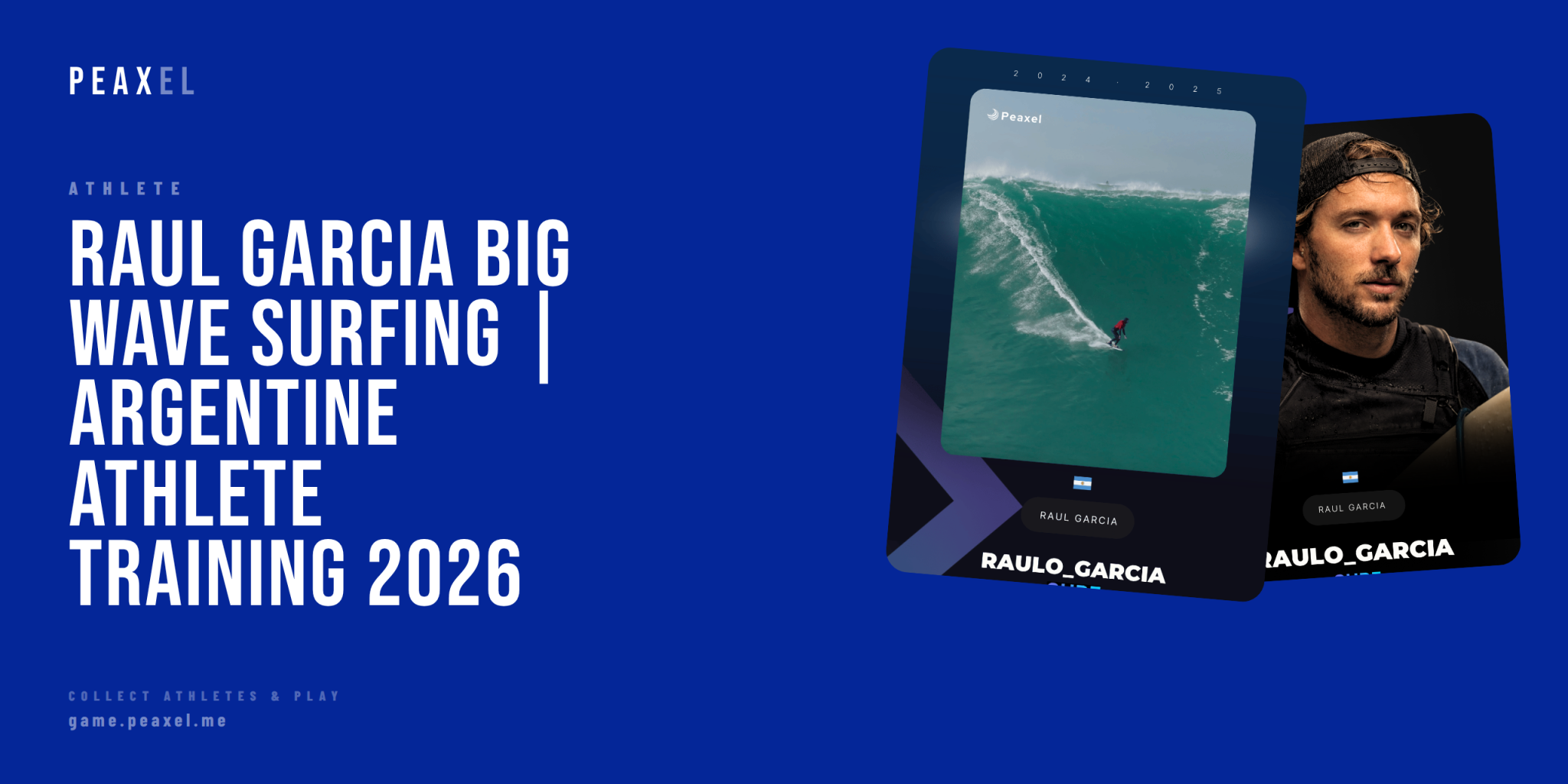
The Argentine Charging Giants
Raul Garcia stands apart in the world of big wave surfing. While the discipline’s epicenters remain firmly planted in Hawaii, Portugal, and California, this Argentine athlete has carved his own path by chasing massive swells from his home base in South America to the most dangerous breaks on Earth.
Big wave surfing is not a sport for the faint-hearted. Athletes paddle into walls of water that can exceed 15 meters in height, where wipeouts can hold surfers underwater for extended periods and the raw power of the ocean becomes genuinely life-threatening. For Garcia, this is simply what he was born to do.
Based in Argentina, Garcia represents a growing movement of South American big wave athletes who are proving that world-class heavy water surfing is no longer exclusive to the Northern Hemisphere. His journey from the beaches of Argentina to competing at famous big wave locations worldwide tells a story of dedication, calculated risk, and relentless preparation.
How a Big Wave Surfer Trains
The physical demands of big wave surfing are unlike any other board sport. Garcia’s training regimen reflects the unique challenges of surviving and thriving in massive surf. Breath-hold training forms the foundation of his preparation, as surfers caught in multi-wave hold-downs may not surface for thirty seconds or more.
Pool sessions where Garcia practices static apnea and dynamic breath holds simulate the panic and oxygen deprivation of a bad wipeout. This training is as much psychological as physical—learning to remain calm when your lungs burn and the ocean refuses to release you separates professionals from everyone else.
Paddle fitness is equally critical. Big wave surfing requires explosive paddling power to catch waves moving at speeds exceeding 30 kilometers per hour. Garcia combines swimming drills, prone paddling sessions, and functional strength training to build the specific endurance his sport demands.
Ocean Knowledge and Wave Reading
Beyond physical conditioning, Garcia dedicates significant time to understanding the ocean itself. Big wave surfers must read swells, currents, and weather patterns with precision. A miscalculation can mean the difference between catching the wave of a lifetime and being caught in the impact zone.
This knowledge comes from years of observation and experience. Garcia studies weather charts, buoy data, and historical swell patterns for locations he targets. When a significant swell appears on the forecast, he often travels thousands of kilometers to position himself at the right break on the right day.
Argentina’s Big Wave Scene
Argentina’s coastline offers challenging conditions that have shaped Garcia’s approach to big wave surfing. The waters around Mar del Plata and Necochea generate powerful winter swells when Southern Ocean storms track toward South America. These cold, heavy waves provided Garcia’s training ground before he expanded his pursuits internationally.
The Argentine big wave community remains small but passionate. Garcia has become a central figure in this scene, demonstrating that athletes from the region can compete at the global level. His success has inspired younger surfers to explore the heavier waves that their coastline offers.
The Mental Game
Big wave surfing requires a mental framework that most people cannot comprehend. Garcia approaches each session with a combination of respect for the ocean and confidence in his preparation. Fear is present—any big wave surfer who claims otherwise is lying—but it is managed through experience and training.
Visualization plays a significant role in Garcia’s mental preparation. Before paddling into a massive swell, he mentally rehearses successful rides and wipeout survival scenarios. This psychological conditioning helps him remain calm when the ocean tests him.
Chasing Swells Worldwide
Garcia’s career has taken him far beyond Argentina’s shores. He has surfed at famous heavy water locations where the world’s most dangerous waves break. Each trip requires meticulous planning, from understanding local conditions to coordinating with safety teams and jet ski support.
The logistics of professional big wave surfing are complex. Unlike competitive surfing where events follow scheduled windows, big wave surfing operates on the ocean’s timeline. Garcia maintains flexibility in his schedule to respond when significant swells appear on the forecast, sometimes traveling on short notice to position himself at the right break.
Equipment and Safety Evolution
Modern big wave surfing has benefited from significant equipment advances. Garcia rides boards specifically designed for speed and control in massive surf, typically longer and more streamlined than standard surfboards. Inflatable vest technology provides critical flotation after wipeouts, and leash systems have evolved to release under extreme pressure to prevent drowning.
Jet ski support has transformed the sport, allowing tow-in surfing on waves too fast to paddle into and providing rescue capability when things go wrong. Garcia trains with his support team to ensure seamless coordination during sessions where seconds can matter.
Inspiring the Next Generation
Garcia’s visibility has expanded through social media, where he shares his sessions and the lifestyle that big wave surfing demands. For aspiring athletes in South America and beyond, his journey demonstrates that geography is not a barrier to pursuing this extreme discipline.
His dedication to preparation, respect for the ocean, and willingness to push boundaries define what it means to be a modern big wave athlete. As the sport continues growing globally, athletes like Garcia help expand its footprint beyond traditional centers.
Fans interested in following Garcia’s career and supporting athletes across extreme sports disciplines can explore his profile on Peaxel, where collectors build teams of real athletes and compete based on actual performance. Discover more about the sports represented on Peaxel or add Raul Garcia to your team.