Why Rugby Union Backs Command Commercial Attention
In professional rugby union, centres and wingers occupy positions of maximum visibility. Every line break, try-scoring run, and highlight-reel moment places backs at the centre of broadcast coverage and social media engagement. This visibility translates directly into commercial value.
Unlike forwards who operate in the tight exchanges of rucks and scrums, backs spend significant time in open field where cameras capture their faces and movements clearly. Sponsors recognise this exposure differential, making backs particularly attractive for endorsement deals and brand partnerships.
The 2026 rugby market reflects this reality. Players who combine on-field excellence with personal branding increasingly negotiate image rights separately from club contracts, creating multiple revenue streams that extend well beyond match-day wages.
The Structure of Rugby Union Player Sponsorship
Club Contracts and Performance Bonuses
Professional rugby contracts in leagues like France’s Top 14, England’s Premiership, and the United Rugby Championship include base salaries plus performance incentives. For backs, try-scoring bonuses, appearance fees, and playoff qualification bonuses can add 15-30% to annual earnings.
Top-tier centres and wingers in the Top 14 earn between €300,000 and €600,000 annually, with elite international players commanding significantly more. These figures create the foundation upon which personal sponsorships build additional income.
Image Rights and Personal Endorsements
Image rights represent the most significant commercial opportunity for backs. Players negotiate these separately from club contracts, retaining control over how their likeness appears in advertising, merchandise, and media.
Brands targeting rugby audiences—sports nutrition companies, equipment manufacturers, financial services, and lifestyle brands—actively seek backs with strong social media followings. A centre with 100,000+ Instagram followers can command €20,000-€50,000 per sponsored post, multiplying across multiple partnerships annually.
International Exposure Multiplier
Players representing their nations in test matches and World Cup campaigns gain exponential commercial visibility. The 2023 Rugby World Cup in France drew over 600 million viewers globally, creating unprecedented exposure for participating athletes.
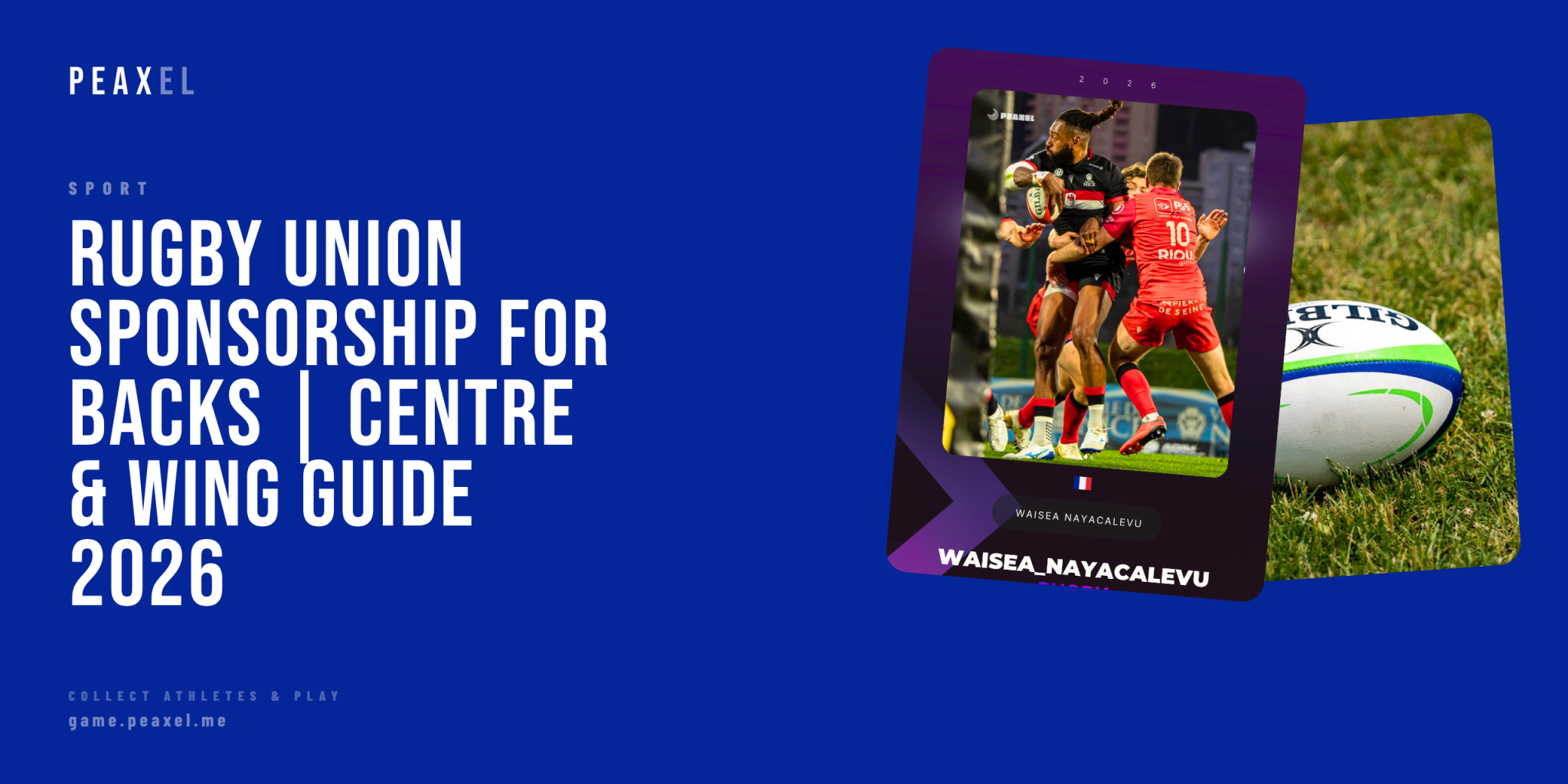
For Pacific Island nations like Fiji, Samoa, and Tonga, backs who captain or star in these tournaments become national heroes with commercial appeal extending far beyond rugby audiences. Waisea Nayacalevu, who led Fiji to a historic World Cup quarter-final in 2023, exemplifies this phenomenon—his decade in French rugby combined with international captaincy created lasting commercial partnerships.
Building Commercial Value as a Rugby Back
On-Field Performance Metrics
Sponsors evaluate backs using specific performance indicators: tries scored, metres gained, clean breaks, defenders beaten, and tackle completion rates. These statistics, tracked by Opta and similar analytics providers, create objective measures of a player’s impact and highlight-reel potential.
Centres who consistently break the gain line and wingers who finish tries attract more attention than statistically modest players regardless of their team’s success. Individual brilliance sells.
Social Media and Personal Branding
Modern rugby sponsorship requires active social media engagement. Backs who share training content, behind-the-scenes access, and personal interests build audiences that sponsors can reach through authentic partnerships.
The most commercially successful backs create content strategies that extend beyond rugby—fashion, travel, family life, and charitable work humanise athletes and broaden their appeal to non-rugby audiences, increasing sponsorship opportunities.
Media Training and Public Speaking
Articulate athletes who perform well in interviews and media appearances command premium sponsorship rates. Brands prefer ambassadors who can represent products confidently across television, podcasts, and live events.
Many professional clubs now provide media training as standard, recognising that player commercial success reflects positively on club brand value and attracts higher-calibre signings.
The Post-Career Commercial Landscape
Coaching and Punditry
Retired backs often transition into coaching roles or broadcast punditry, maintaining visibility and income. Former international centres and wingers regularly appear on Sky Sports, TNT Sports, and national broadcasters across rugby markets.
These roles provide ongoing commercial opportunities—book deals, speaking engagements, and continued brand partnerships—that extend earning potential well beyond playing careers.
Business Ventures and Investments
Commercially savvy backs invest their earnings in businesses related to their expertise—gyms, academies, sports technology startups, and hospitality ventures. Some partner with existing brands as equity shareholders rather than simple ambassadors.
This shift from endorsement fees to ownership stakes represents the evolution of athlete commercial strategy, creating long-term wealth rather than short-term income.
Fantasy Sports and Fan Engagement Platforms
The growth of fantasy rugby and athlete management platforms creates new commercial touchpoints for backs. Fans who select players for fantasy teams develop stronger emotional connections, translating into merchandise sales and social media engagement.
Platforms like Peaxel allow fans to collect digital athlete cards and manage teams featuring their favourite players. For backs, appearing on these platforms extends visibility to fantasy sports audiences who might not watch every match but follow player statistics closely.
You can explore rugby and other sports available on Peaxel’s complete sport list to discover athletes across dozens of disciplines.
Regional Variations in Rugby Sponsorship Markets
France and the Top 14
French rugby offers the most lucrative club contracts globally, with wealthy owners and significant television revenue. Backs in the Top 14 benefit from strong domestic interest and the league’s growing international broadcast deals.
England and the Premiership
English rugby provides strong commercial infrastructure with established agency networks and sophisticated image rights management. Premiership backs access London-based sponsors and media opportunities unavailable in smaller markets.
Southern Hemisphere
New Zealand, Australia, and South Africa produce exceptional talent but offer lower domestic salaries than European leagues. Many backs leverage international exposure before moving to France or England to maximise earnings during peak career years.
The Future of Rugby Back Sponsorship
As rugby union continues globalising—with growing audiences in the United States, Japan, and emerging markets—commercial opportunities for backs will expand. Players who build international followings and adapt to new media formats will capture disproportionate value.
The convergence of traditional sponsorship, social media monetisation, and fan engagement platforms creates a more complex but potentially more lucrative landscape for centres and wingers willing to invest in their personal brands alongside their on-field development.