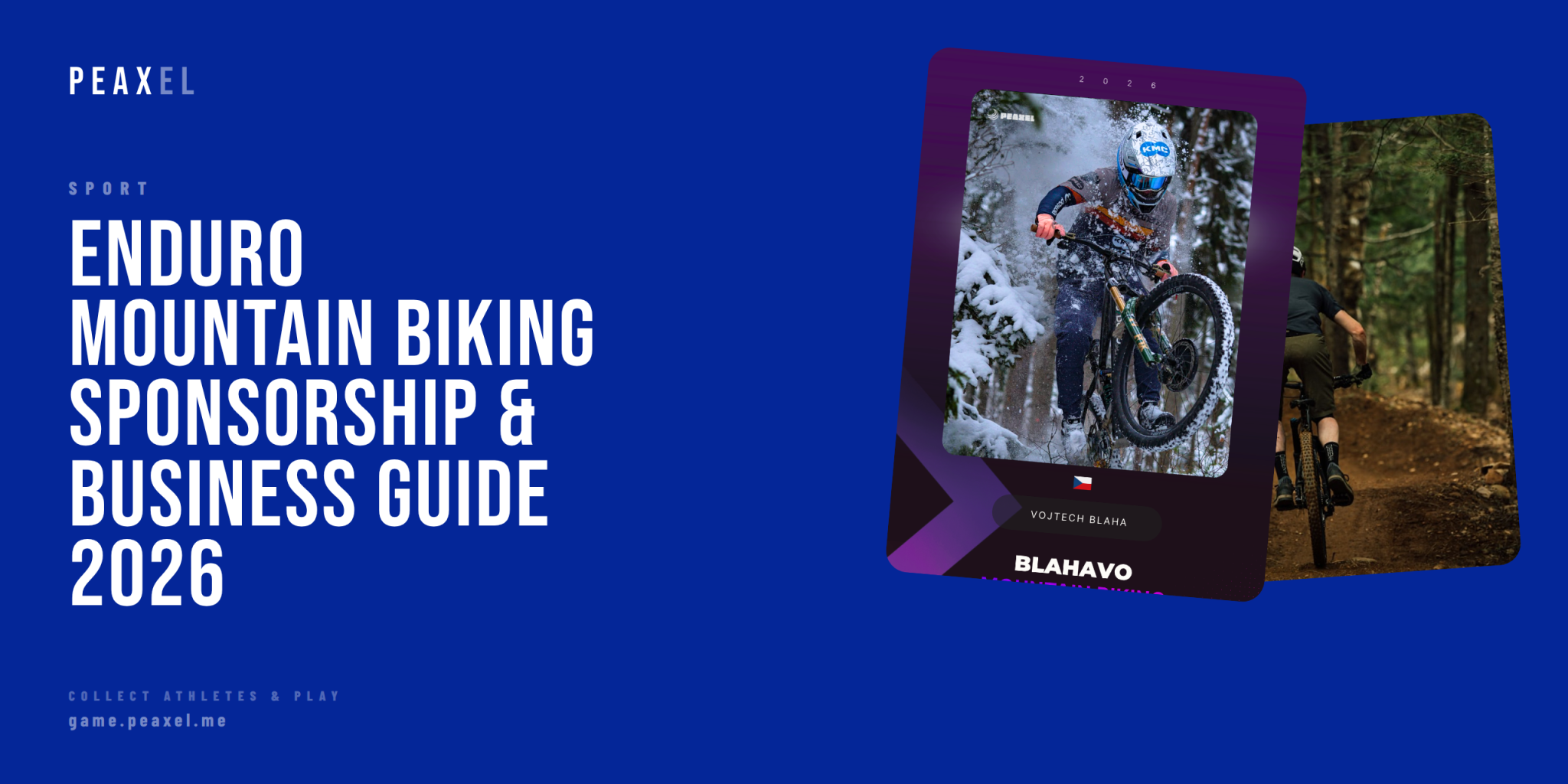
How Enduro Mountain Biking Became Big Business
Ten years ago, enduro mountain biking was a niche discipline where riders competed for bragging rights and modest cash prizes. In 2026, the sport has transformed into a professional ecosystem with six-figure sponsorship deals, dedicated athlete management agencies, and prize purses that rival established cycling disciplines.
The Enduro World Series, now operating as EDR under the Enduro Sports Organisation, distributes over $500,000 in prize money annually across its global race calendar. Major rounds in Whistler, Finale Ligure, and Loudenvielle attract thousands of spectators and millions of online viewers, creating valuable exposure for sponsors.
This growth has fundamentally changed what it means to be a professional enduro athlete. Racing fast is no longer enough—riders must understand contracts, build personal brands, and navigate complex business relationships.
The Sponsorship Landscape in 2026
Enduro sponsorship operates on multiple tiers. At the top, factory teams backed by major bike manufacturers like Specialized, Trek, and Canyon offer full salaries, travel support, and performance bonuses. These contracts typically range from $50,000 to $200,000 annually for elite riders, with top athletes commanding significantly more.
Component sponsors form the second tier. Companies like SRAM, Maxxis, and Fox Racing Shox invest heavily in enduro, recognizing that race results directly influence consumer purchasing decisions. A podium finish at an EDR round can translate into measurable sales increases for tire and suspension brands.
The third tier encompasses lifestyle and endemic sponsors—energy drinks, eyewear, apparel, and recovery products. Red Bull remains the most coveted partner in this category, offering not just financial support but access to world-class content production and media distribution.
What Sponsors Actually Want
Race results matter, but they’re not everything. Sponsors in 2026 evaluate athletes on a matrix that includes social media reach, content quality, professionalism, and brand alignment. A rider finishing tenth overall but generating 500,000 monthly impressions may attract more sponsor interest than a top-five finisher with minimal online presence.
Contract negotiations increasingly include specific deliverables: monthly Instagram posts, YouTube video appearances, race-day stories, and product reviews. Athletes who can’t produce quality content often hire dedicated media managers or sign with agencies that provide these services.
Building a Career from the Ground Up
The path to professional enduro racing rarely follows a straight line. Most athletes spend years competing at regional and national levels, accumulating results while building their personal brand. The financial reality during this development phase is challenging—travel costs, entry fees, and equipment expenses can exceed $30,000 annually.
Grassroots sponsorships help offset these costs. Local bike shops, regional tourism boards, and small component brands often support developing riders in exchange for social media mentions and event representation. These partnerships provide crucial financial relief while establishing relationships that can grow as an athlete’s profile rises.
Athletes like Vojtěch Bláha exemplify this trajectory. The Czech rider built his reputation through consistent Enduro World Cup performances while developing relationships with prototype bike projects and regional sponsors. His approach demonstrates how technical credibility combined with media savvy creates sustainable career momentum.
The Role of Social Media
Instagram and YouTube have become essential career tools. Riders document training sessions, race weekends, and behind-the-scenes moments, building audiences that provide leverage in sponsor negotiations. The most successful athlete accounts blend race content with personality-driven posts that humanize the competitor.
TikTok has emerged as a growth platform for younger riders, with short-form trail clips generating millions of views. However, converting viral moments into sponsorship value requires strategic follow-through—brands want sustained engagement, not one-hit wonders.
Prize Money and Financial Realities
EDR series prize money has grown substantially, but it still doesn’t support a full-time racing career on its own. A round win pays approximately $5,000, with overall series champions earning bonuses up to $25,000. When spread across a season with eight international rounds, travel and logistics consume most of these earnings.
This financial structure means sponsorship remains the primary income source for professional enduro athletes. The gap between factory-supported riders and privateer competitors continues to widen, raising questions about long-term career sustainability in the sport.
Some athletes supplement racing income through coaching, guided tours, and skills clinics. Others leverage their expertise into product development roles with bike or component companies, creating post-racing career pathways.
Women’s Enduro and Sponsorship Equity
Women’s enduro has achieved relative parity in prize money, with EDR offering equal purses across gender categories. However, overall sponsorship investment still lags behind men’s racing. Female athletes often command smaller contracts despite comparable social media audiences and race viewership.
This gap is narrowing as brands recognize the commercial value of women’s racing. Athletes like Eleonora Farina, though primarily competing in downhill, have demonstrated that female mountain bikers can build substantial personal brands and attract premium sponsors. The crossover between downhill and enduro audiences creates opportunities for multi-discipline visibility.
The Future of Enduro Business
Several trends are reshaping enduro’s commercial landscape. E-MTB enduro categories have attracted new sponsors from the electric mobility sector, expanding the available sponsorship pool. Media rights deals are becoming more sophisticated, with live streaming platforms paying for exclusive broadcast access.
Athlete management has professionalized significantly. Dedicated agencies now represent enduro riders, handling contract negotiations, media training, and career planning. These services were once reserved for road cycling stars but have become accessible to top enduro competitors.
Fantasy sports platforms are creating new fan engagement opportunities. Services like Peaxel allow fans to follow and support enduro athletes through digital platforms, potentially opening alternative revenue streams for riders who build dedicated followings.
What Aspiring Professionals Should Know
Breaking into professional enduro requires strategic thinking beyond race preparation. Athletes should document their journey from day one, building content archives that demonstrate progression. Networking at events—with other riders, media, and industry representatives—often yields opportunities that raw results alone cannot.
Understanding contract terms protects athletes from unfavorable deals. Exclusivity clauses, content requirements, and termination conditions vary significantly between sponsors. Athletes without agency representation should seek legal review before signing multi-year agreements.
The enduro business ecosystem rewards those who treat their racing career as a business. Results open doors, but professionalism, reliability, and brand-building keep them open. For riders willing to embrace both sides of the sport, enduro offers genuine professional opportunities in 2026.
Discover more about mountain biking and other action sports athletes on Peaxel’s sports directory.