What Is Trick Slalom Inline Skating?
Trick slalom inline skating is a discipline born in Japan that combines technical skating ability with artistic expression. Unlike traditional freestyle slalom, which emphasizes precise footwork through tightly spaced cones judged on technical execution, trick slalom prioritizes creativity, visual impact, and personal style above all else.
The setup is distinctive: 15 larger soft cones placed at 150mm intervals on flat ground. Skaters navigate through and around these cones while performing tricks, spins, jumps, and acrobatic combinations. There is no rigid scoring system focused purely on difficulty — a simple trick executed with exceptional flair can score higher than a complex maneuver performed without personality.
This philosophy makes trick slalom accessible yet endlessly deep. Beginners can participate immediately while elite practitioners spend years developing signature moves that no one else has performed. The discipline rewards originality and self-expression in ways that traditional competitive skating often cannot.
How Trick Slalom Differs From Freestyle Slalom
Freestyle slalom and trick slalom share the same DNA but diverge in fundamental ways. Freestyle slalom competitions use 20 cones at 80cm intervals with strict judging criteria measuring technical difficulty, execution quality, and footwork precision. Athletes are evaluated against established standards.
Trick slalom flips this model. The wider cone spacing allows for bigger movements, aerial tricks, and combinations borrowed from aggressive skating, urban styles, and even breakdancing. Judges — when formal judging exists — reward the overall impression, creativity, and entertainment value rather than ticking boxes on a technical checklist.
This creates a different athlete profile. Trick slalom skaters often come from diverse backgrounds including aggressive skating, urban freeskating, and dance. They bring influences from multiple disciplines, fusing them into something uniquely personal. The result is a sport that feels more like performance art than traditional athletics.
The Origins of Trick Slalom in Japan
Trick slalom emerged from Japan’s vibrant inline skating culture in the 2000s as skaters sought alternatives to the increasingly codified freestyle slalom scene. Japanese skaters had long dominated freestyle slalom internationally, but some athletes craved more freedom to experiment.
The discipline developed organically through local sessions, informal competitions, and video sharing. Without a governing body dictating rules, skaters created their own standards based on mutual respect and shared appreciation for creativity. This grassroots foundation remains central to trick slalom’s identity.
Tokyo became the epicenter of trick slalom development, with skaters gathering at urban spots to push boundaries and inspire each other. The discipline spread through social media as videos of spectacular runs attracted global attention from skaters seeking something beyond traditional competition formats.
Key Elements of Trick Slalom Performance
Creativity and Originality
The highest currency in trick slalom is doing something no one has done before. Skaters spend countless hours developing signature tricks — combinations of footwork, spins, jumps, and body movements that become their personal trademark. Copying another skater’s signature move is considered poor form.
Style Over Difficulty
A basic trick performed with exceptional style, timing, and musicality will always beat a difficult trick executed mechanically. Trick slalom rewards the how as much as the what. Body language, flow between tricks, and overall aesthetic matter enormously.
Musicality and Flow
Many trick slalom runs are performed to music, and the best skaters synchronize their movements to the rhythm. The cones become instruments, the skater a dancer. Flow — the seamless connection between tricks without awkward pauses or resets — separates good skaters from great ones.
Risk and Commitment
While trick slalom is not judged on difficulty alone, committing fully to a trick demonstrates confidence and skill. Half-hearted attempts are immediately visible. The best performances combine technical competence with the willingness to push personal limits.
Equipment for Trick Slalom
Trick slalom skaters typically use urban or freeskate inline skates rather than specialized slalom frames. The wider cone spacing and emphasis on tricks means maneuverability and comfort matter more than the ultra-precise responsiveness required in freestyle slalom.
Many skaters prefer rockered setups — where the front and back wheels sit slightly higher than the middle wheels — to enhance agility and turning ability. However, equipment choices remain highly personal, with some athletes using flat setups or even aggressive skating frames depending on their style.
The cones themselves are soft and lightweight, designed to move easily when touched. Unlike freestyle slalom where touching cones results in penalties, trick slalom treats cone contact more flexibly — sometimes incorporating cone manipulation into tricks themselves.
Trick Slalom Culture and Community
The trick slalom community operates differently from mainstream competitive sports. Without formal international federations or standardized ranking systems, reputation is built through video content, social media presence, and respect from fellow skaters.
Local sessions and informal jams remain the primary venues for trick slalom development. Skaters gather at urban spots, set up cones, and take turns performing while others watch, film, and offer feedback. This collaborative atmosphere fosters rapid innovation as ideas spread and evolve through direct interaction.
Social media platforms — particularly Instagram and YouTube — serve as the global stage for trick slalom. Skaters build international followings by posting creative content, tutorials, and competition footage. The discipline’s visual nature makes it perfectly suited for short-form video platforms.
Athletes Leading Trick Slalom Globally
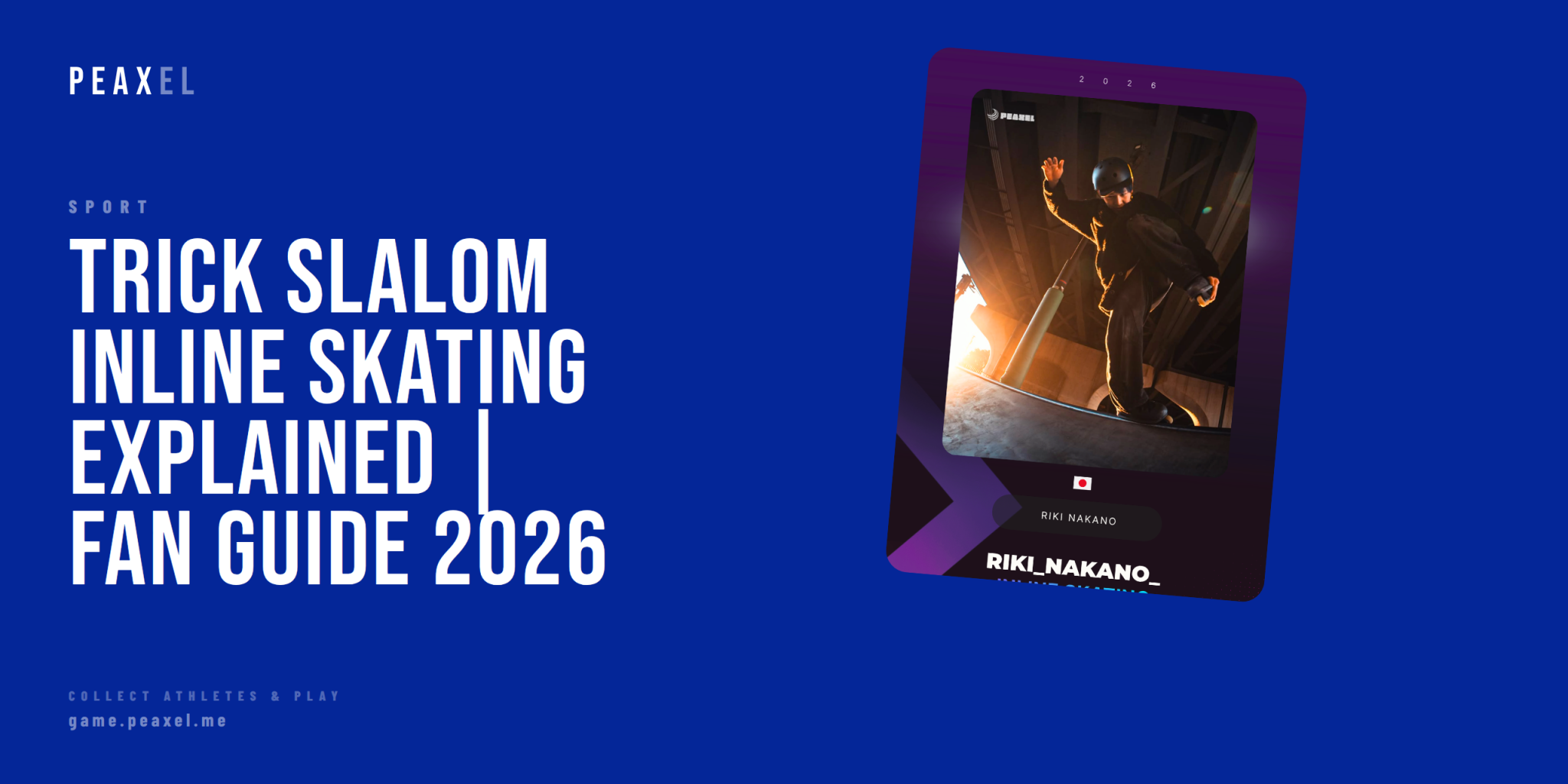
Japanese athletes continue to lead trick slalom development and performance. Riki Nakano stands among the discipline’s most influential figures, serving as a Rollerblade ambassador and actively working to spread trick slalom beyond Japan’s borders. His philosophy emphasizes that a simple trick with personality beats a complex trick without soul.
Nakano organizes seminars and competitions across Japanese cities including Tokyo, Saitama, Shizuoka, and Okayama. His long-term vision includes establishing an international trick slalom world championship — a goal that would formalize the discipline while hopefully preserving its creative spirit.
Beyond Japan, trick slalom has attracted practitioners in South Korea, Taiwan, and increasingly in Europe and North America. The discipline’s accessibility — requiring only skates, cones, and flat ground — makes it viable anywhere inline skating culture exists.
How to Watch and Appreciate Trick Slalom
For new fans, watching trick slalom requires adjusting expectations from traditional sports viewing. There are no obvious points, times, or distances to compare. Instead, focus on the overall impression: Does the skater move with confidence and intention? Do their tricks flow together naturally? Are they doing something you have never seen before?
Pay attention to style details — hand movements, body posture, facial expressions. The best trick slalom athletes perform with their entire body, not just their feet. Watch how they use the space around the cones, not just the cones themselves.
Compare runs side by side if possible. The differences between good and exceptional become clearer when you see multiple athletes tackle similar challenges with vastly different approaches. Trick slalom rewards repeated viewing as subtleties reveal themselves over time.
The Future of Trick Slalom
Trick slalom occupies a unique position in the skating world — too creative to fit conventional competition formats, yet too compelling to remain underground forever. The discipline faces interesting questions about formalization: How do you judge creativity? Can you standardize rules without killing the spirit that makes trick slalom special?
Athletes like Riki Nakano are working to answer these questions by building international networks, organizing events, and advocating for the discipline on global platforms. The goal is growth without compromise — expanding trick slalom’s reach while protecting its essential character.
For fans of emerging sports and creative athletics, trick slalom represents exactly the kind of discipline worth following. It rewards personality over conformity, innovation over repetition, and joy over mere technical achievement. In a sporting landscape often dominated by standardization, trick slalom offers something genuinely different.
Discover more about trick slalom and athletes like Riki Nakano through Peaxel, where you can follow their journeys and support the growth of creative sports worldwide.