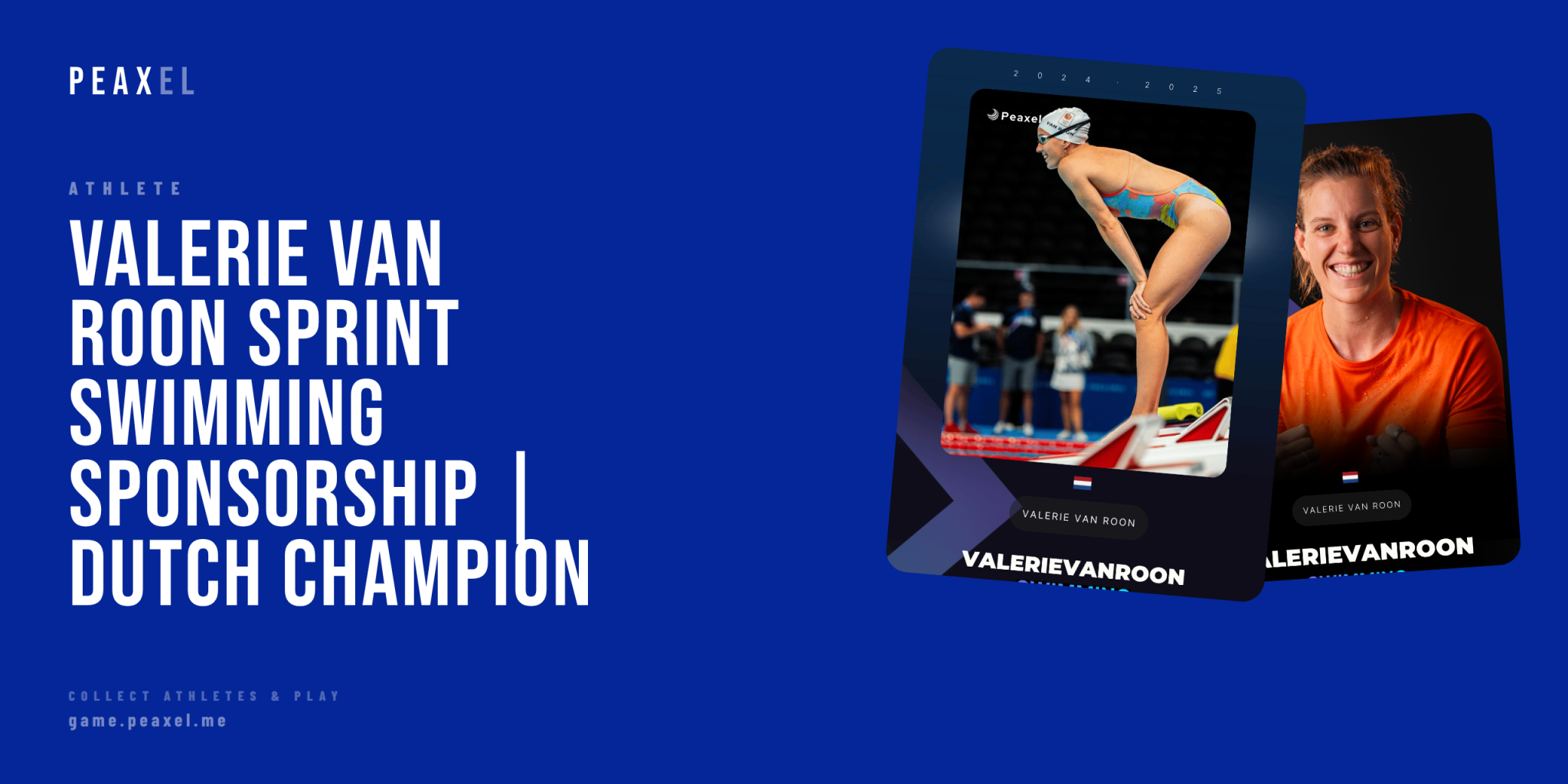
World Records and the Reality of Funding a Swimming Career
On December 12, 2017, at the European Short Course Championships in Copenhagen, Valerie van Roon stood on the blocks alongside her Dutch teammates. Moments later, the Netherlands women’s 4×50m freestyle relay team touched the wall in 1:33.91—a world record that still stands today. For van Roon, that swim represented more than athletic achievement. It was a moment that would define her marketability as a professional athlete in a sport where sponsorship money is scarce and competition for funding is fierce.
Sprint swimming operates on razor-thin margins. Races are decided in hundredths of seconds, and careers can pivot on a single qualification time. But beyond the stopwatch, there’s another calculation that every elite swimmer must master: the business of staying afloat financially while pursuing Olympic dreams.
The Dutch Swimming System and Its Financial Realities
The Netherlands produces world-class swimmers with remarkable consistency. Ranomi Kromowidjojo, Femke Heemskerk, and now van Roon have carried Dutch colors at the highest level. But unlike nations with robust government sports funding, Dutch swimmers often operate with limited institutional support. The Dutch Olympic Committee (NOC*NSF) provides stipends to top athletes, but these rarely cover the full cost of an elite training program.
Van Roon, born in Delft, began her international career at 16 when she won bronze at the 2014 European Junior Championships in the 50m freestyle. That early success opened doors, but it also revealed the challenge ahead. Junior medals generate attention; they rarely generate income. For van Roon, the path from promising teenager to professional athlete required building a personal brand alongside her swimming credentials.
Building Value Through Relay Excellence
Individual medals command the highest sponsorship value in swimming. But van Roon built her reputation through relay performances—a strategic reality that shapes her commercial positioning. Her world record in the 4×50m freestyle relay, followed by silver medals at the 2018 FINA World Championships in both the 4×50m and 4×100m freestyle relays, established her as indispensable to Dutch relay success.
This matters for sponsorship because relay swimmers offer brands something unique: consistent visibility at major championships without the pressure of individual medal expectations. Van Roon swims multiple events at every major competition, maximizing exposure for any sponsor whose logo appears on her equipment or social media.
The Individual Breakthrough at the 2022 Europeans
Van Roon’s career took a significant turn at the 2022 European Aquatics Championships in Rome. Swimming in the 50m freestyle individual event, she claimed bronze with a time that confirmed her status among Europe’s fastest sprinters. Individual medals change the sponsorship calculus entirely. Suddenly, van Roon wasn’t just a relay contributor—she was a standalone commodity.
The 50m freestyle is swimming’s most marketable event. It’s explosive, accessible to casual viewers, and produces clear winners. A European bronze in this discipline signals to potential sponsors that an athlete can deliver on the biggest stages. For van Roon, Rome represented validation that her years of relay excellence had translated into individual capability.
Securing Olympic Qualification
In April 2024, at the Eindhoven Qualification Meeting, van Roon achieved what every professional swimmer works toward: Olympic qualification. Her time of 24.62 seconds in the 50m freestyle—a personal best—punched her ticket to Paris 2024. The Olympic Games represent the ultimate sponsorship multiplier. Athletes who compete at the Olympics can command significantly higher fees than those who don’t, regardless of where they finish.
For Dutch swimmers, Olympic qualification also unlocks additional NOC*NSF support. But the real value lies in visibility. The Paris 2024 Olympics will be watched by billions, and every second of screen time translates into brand exposure. Van Roon’s qualification transformed her from a European-level athlete into a global Olympic competitor—a distinction that matters enormously in sponsorship negotiations.
The Economics of Sprint Swimming Sponsorship
Sprint swimmers face a unique challenge in the sponsorship market. Unlike endurance athletes who train for hours daily in visible outdoor environments, sprinters spend most of their time in anonymous indoor pools. This limits organic content creation opportunities and makes it harder to build the lifestyle narrative that brands increasingly seek.
Van Roon has navigated this by focusing on what sprint swimming offers: drama, precision, and the appeal of explosive athletic performance. Her social media presence emphasizes the technical aspects of her craft—starts, turns, and the split-second decisions that determine race outcomes. This positions her as an expert voice in swimming, valuable to brands targeting serious sports audiences.
Equipment Partnerships and Technical Credibility
In swimming, equipment sponsorships carry particular weight. The right suit, goggles, and cap can meaningfully impact performance, making athlete endorsements highly credible. Van Roon’s world record and European medal provide the results-based validation that equipment brands require. When she endorses a product, consumers understand she has tested it at the highest level.
These partnerships also provide practical support. Elite swimwear can cost hundreds of euros per suit, and competition-level equipment adds up quickly over a season. For athletes without major individual endorsement deals, equipment sponsorships often represent the most significant non-governmental income source.
What the Future Holds
At 28, van Roon is entering the phase of her career where sponsorship income becomes most critical. Swimming careers rarely extend past the early 30s, meaning the window for maximizing commercial value is narrow. Her Olympic qualification and world record credentials provide a strong foundation, but the real test comes in converting athletic success into sustainable income.
The Dutch swimming community continues to produce talent, and van Roon’s experience navigating the business side of the sport makes her a valuable mentor for younger athletes. Her journey illustrates that world records and Olympic appearances are necessary but not sufficient—building a career in professional swimming requires equal mastery of the commercial elements that sustain elite performance.
For fans interested in following van Roon’s career and understanding the athlete economy in swimming, her profile on Peaxel offers a direct connection to one of the Netherlands’ most accomplished sprint swimmers. You can explore her full profile at game.peaxel.me and discover more athletes across dozens of sports on the platform.