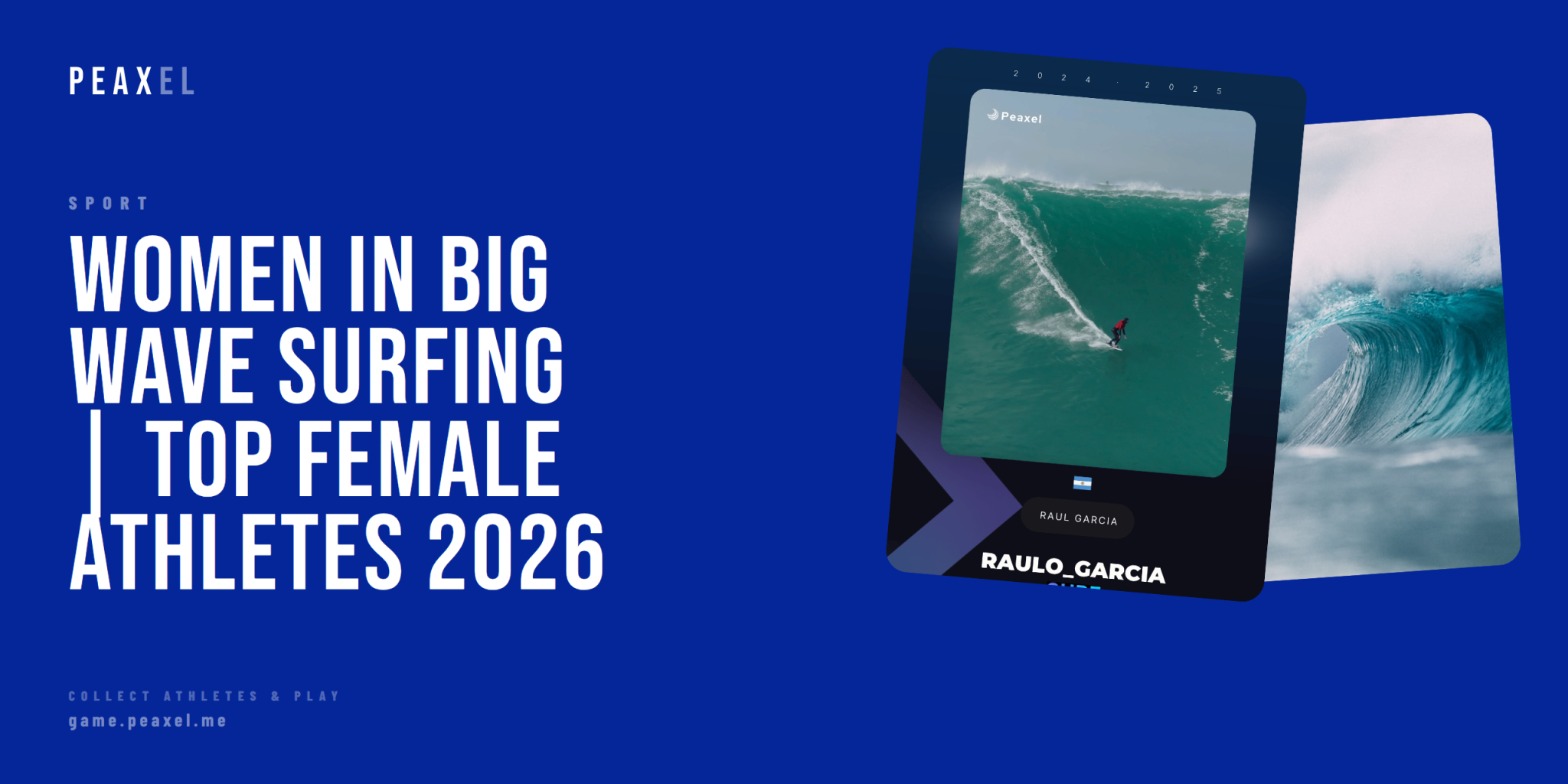
The New Era of Women in Big Wave Surfing
For decades, big wave surfing was considered a male-dominated frontier where only a handful of men dared to paddle into mountains of water. That narrative has fundamentally changed. In 2026, women are not just participating in big wave surfing—they are redefining what is possible on the most dangerous waves on the planet.
The transformation began accelerating in the late 2010s when the World Surf League introduced equal prize money for big wave events. Since then, female athletes have consistently pushed into heavier conditions, claimed world records, and earned recognition that matches their male counterparts. The result is a generation of women who charge 60-foot waves at Nazaré, Jaws, and Mavericks with the same commitment and technical precision as anyone in the sport.
Record Breakers at Nazaré
Nazaré, Portugal has become the proving ground for big wave surfing’s elite. The underwater canyon that amplifies Atlantic swells into towering walls of whitewater has also become the stage where women have rewritten the record books.
Maya Gabeira, the Brazilian charger, holds the Guinness World Record for the largest wave ever surfed by a woman—a 73.5-foot monster caught at Nazaré in February 2020. She has since continued pushing into massive swells, proving that her record was not an outlier but a statement of sustained excellence.
Justine Dupont of France has emerged as one of the most decorated big wave surfers regardless of gender. Her performances at Nazaré during the 2023-2024 and 2024-2025 seasons earned her multiple WSL Big Wave Award nominations and victories. Dupont’s ability to read Nazaré’s chaotic peaks and commit to waves that close out entire lineups has made her a benchmark for technical big wave riding.
The Technical Demands of Giant Waves
Surfing waves above 40 feet requires a combination of physical conditioning, equipment expertise, and psychological resilience that few athletes in any sport can match. Women competing at this level train year-round with breath-hold specialists, strength coaches, and safety teams that operate jet skis in conditions where a wipeout can hold a surfer underwater for 30 seconds or more.
The boards used in big wave surfing are longer, heavier, and designed for speed rather than maneuverability. Female athletes have worked closely with shapers to develop equipment tailored to their body mechanics, allowing them to drop into waves with the stability and control required to survive the heaviest days.
Beyond Nazaré: Jaws and Mavericks
While Nazaré has captured global attention, women are also charging at other legendary big wave breaks. Jaws (Pe’ahi) on Maui’s north shore produces some of the most powerful waves in the Pacific. Keala Kennelly, a pioneer of women’s big wave surfing, made history by becoming the first woman to be nominated for the Ride of the Year at the WSL Big Wave Awards for a wave at Jaws.
Mavericks in Northern California remains one of the most challenging big wave spots due to its cold water, rocky bottom, and unpredictable swells. Female athletes have increasingly appeared in lineups that were once exclusively male, proving that commitment and preparation matter more than any demographic barrier.
The Role of Safety and Tow Surfing
Tow-in surfing, where jet skis pull surfers into waves too fast to paddle into, has been essential to the progression of women in big wave surfing. The technique allows athletes to access waves that would otherwise be impossible to catch, and it requires a partnership between the surfer and a skilled driver who understands positioning, timing, and rescue protocols.
Women like Gabeira and Dupont work with dedicated safety teams that train specifically for Nazaré’s chaotic conditions. These partnerships have reduced risk and enabled female surfers to push deeper into territory that was previously considered inaccessible.
Equal Recognition and Prize Money
The WSL’s commitment to equal prize money across all events, including big wave competitions, has been a catalyst for growth. Female big wave surfers now compete for the same financial rewards as their male peers, and the Big Wave Awards recognize women in dedicated categories that highlight their achievements.
This parity has attracted more women to the discipline and created pathways for younger athletes who see big wave surfing as a viable career rather than a fringe pursuit. The visibility of athletes like Gabeira and Dupont in mainstream sports media has further normalized the presence of women in the heaviest lineups.
The Global Big Wave Community
Big wave surfing is not limited to a single region. Athletes from around the world travel to wherever swells are breaking largest, creating a global community united by the pursuit of massive waves. Raul Garcia, an Argentine big wave surfer featured on Peaxel, represents this international spirit—traveling from South America to legendary spots worldwide and inspiring others with his fearless approach to the sport.
The community aspect of big wave surfing extends beyond competition. Athletes share forecasts, train together, and support each other during heavy sessions where safety depends on collective vigilance. Women have become integral to this culture, contributing not just as competitors but as mentors and advocates for the next generation.
What Makes Big Wave Surfing Unique
Unlike most competitive sports, big wave surfing depends entirely on nature. Athletes cannot schedule their performances—they must wait for swells, travel on short notice, and be ready to perform in conditions that change minute by minute. This unpredictability creates a unique athletic challenge where preparation, instinct, and courage intersect.
For fans interested in following big wave surfing and other action sports, platforms like Peaxel offer ways to discover athletes and engage with the stories behind the performances. You can explore Raul Garcia’s profile and connect with the global community of surfers pushing the limits of what humans can achieve on waves.