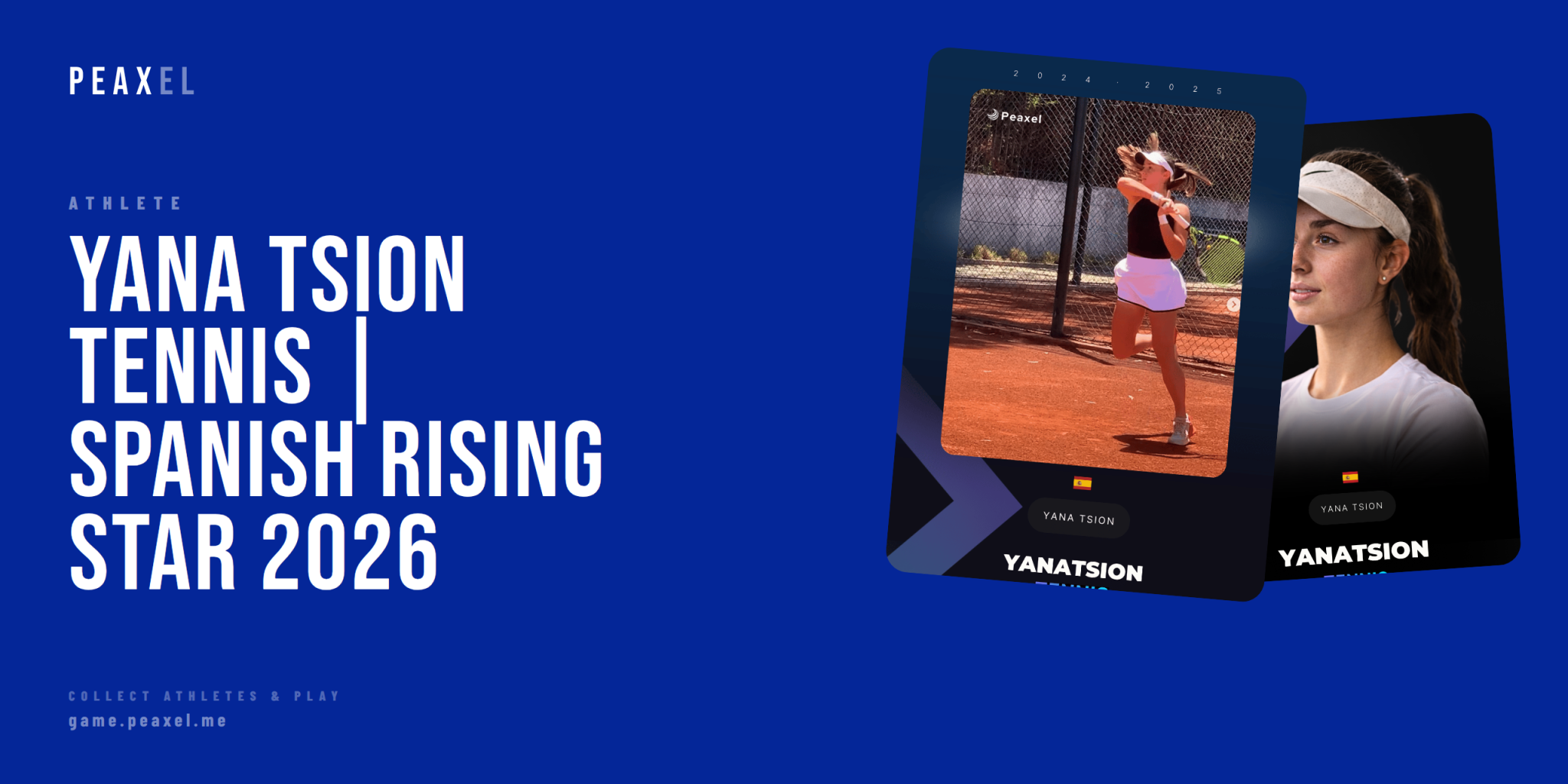
A New Voice in Spanish Tennis
Spain has long been a powerhouse in professional tennis, producing legends who have dominated clay courts across the globe. The next chapter of that legacy is being written by athletes like Yana Tsion, a 19-year-old competitor carving her path through the ITF Women’s Circuit with determination and tactical intelligence.
Born on September 20, 2006, Tsion represents a generation of players who grew up watching the golden era of Spanish tennis and are now ready to contribute their own chapters. Her game reflects the classic Spanish philosophy: patience, consistency, and an unwavering belief that every point can be won from the baseline.
The ITF Circuit: Where Careers Are Built
The ITF Women’s Circuit serves as the proving ground for aspiring professionals. Unlike the glamour of WTA 1000 events, ITF tournaments demand a different kind of resilience. Prize money is modest, crowds are smaller, and every ranking point requires maximum effort.
For Tsion, these tournaments represent opportunity. Each match provides experience against diverse playing styles and competitive pressure that cannot be replicated in practice. The circuit spans continents, requiring young players to adapt to different surfaces, climates, and competitive environments.
Competing at this level means balancing development with results. Players must improve their games while simultaneously earning ranking points to advance to higher-tier events. It is a demanding equation that tests both physical ability and mental fortitude.
Clay Court Specialist in Development
Tsion’s preference for clay courts aligns naturally with her Spanish heritage and training environment. Clay rewards patience and consistency—qualities that define her approach to competition. The surface slows the ball, extending rallies and placing a premium on movement and tactical construction.
Her right-handed game features an aggressive baseline style, looking to control points through depth and placement rather than pure power. This strategic approach requires reading opponents, identifying patterns, and executing under pressure—skills that develop through years of competitive play.
The Spanish tennis infrastructure provides excellent clay court facilities and coaching expertise. Training in this environment shapes players who understand the nuances of the surface: when to absorb pace, when to accelerate, and how to construct points that draw opponents out of position.
The Journey From Junior to Professional
Transitioning from junior tennis to the professional circuit is one of sport’s most challenging progressions. The physical demands increase significantly, opponents have years more experience, and the stakes of every match become more consequential.
Tsion began this transition early, participating in ITF Women’s Circuit events while still developing her game. This approach accelerates learning but requires careful management to avoid burnout or injury. The balance between pushing for results and allowing proper development is crucial at this stage.
Her commitment to continuous improvement is evident in her tournament schedule and training approach. Each competition provides data points for refinement: which patterns work against different opponents, how to manage energy across multi-day events, and when to take calculated risks during crucial points.
Building Toward Higher Levels
The path from ITF events to WTA main draws requires accumulating ranking points through consistent performance. Players must string together results across multiple tournaments, building momentum that opens doors to higher-tier competitions.
For a player of Tsion’s age and development stage, the focus remains on process over outcomes. Technical refinements, physical conditioning, and competitive experience all contribute to long-term trajectory more than any single result. The players who reach the top tiers typically show steady progression through their late teens and early twenties.
Spanish tennis continues to produce talent across generations, and the support infrastructure for developing players remains strong. Tsion benefits from training environments shaped by decades of success, with coaching expertise and competitive opportunities that few countries can match.
What Defines Her Competitive Approach
Watching Tsion compete reveals a player who values consistency and tactical awareness. Her baseline game seeks to control rallies through smart positioning rather than overwhelming power. This approach requires patience—the willingness to extend points until the right opportunity emerges.
The strategic elements of her game suit clay court tennis particularly well. The surface forgives slight timing errors while rewarding players who can construct points systematically. Her preference for this surface reflects both her training environment and her understanding of where her strengths translate most effectively.
Mental resilience becomes increasingly important as competition levels rise. The ability to maintain focus across long matches, recover from setbacks within games, and manage the pressure of tight situations separates those who advance from those who plateau.
The Broader Spanish Tennis Ecosystem
Spain’s tennis culture extends beyond individual players to encompass academies, federations, and a passionate fan base. Young players like Tsion develop within systems designed to produce world-class competitors, with pathways from youth competition through professional ranks.
The country’s clay court heritage creates natural advantages for players who train there. Understanding how to slide into shots, how to manage footwork on the slower surface, and how to construct clay-specific tactics becomes instinctive for those who grow up competing on terre battue.
This ecosystem has produced consistent success at the highest levels for decades. Each generation of Spanish players inherits knowledge and infrastructure from those who came before, creating compounding advantages that benefit developing talents.
Following Her Progress
For fans interested in tracking emerging tennis talent, players like Yana Tsion represent the sport’s future. Her journey through the ITF circuit offers insight into how professional careers develop—the incremental improvements, the lessons from defeats, and the gradual accumulation of experience that precedes breakthrough moments.
You can follow her career through her Peaxel profile and support her development through Peaxel’s athlete management game. As one of many talented athletes across dozens of sports on Peaxel, Tsion represents the platform’s commitment to highlighting athletes building their careers across competitive levels.
The coming seasons will reveal how her game continues to evolve and whether the foundation she is building translates into advancement through professional ranks. For now, she remains focused on the work: training, competing, and improving one match at a time.