What Is Professional Arm Wrestling?
Arm wrestling is a strength sport where two competitors grip hands across a table and attempt to pin their opponent’s arm to a touchpad. While casual arm wrestling happens in bars and living rooms worldwide, the professional version operates under strict regulations with weight classes, referees, and international governing bodies.
The World Armwrestling Federation (WAF) oversees international competition, sanctioning world championships and continental events. Athletes train for years to compete at the highest levels, developing specialized techniques that go far beyond raw strength.
For new fans, understanding what separates recreational arm wrestling from the professional sport is the first step toward appreciating its depth and competitive intensity.
The Rules of Competitive Arm Wrestling
Basic Match Structure
A match begins with both competitors gripping hands in a neutral starting position. Their elbows must remain on the elbow pad throughout the match. When the referee gives the start command, both athletes attempt to force their opponent’s hand down to the touchpad.
The first competitor to pin their opponent’s hand wins the round. Most competitive formats use a best-of-three or best-of-five structure, meaning athletes must win multiple rounds to claim victory.
Fouls and Penalties
Arm wrestling has specific foul rules that new fans should understand. Lifting your elbow off the pad results in a foul. Dropping your shoulder below the table level is penalized. False starts before the referee’s command earn warnings.
Two fouls in a single round typically result in losing that round. Referees closely monitor grip position, elbow placement, and body positioning throughout every match. This strict officiating ensures matches are won through technique and strength rather than rule manipulation.
Left Hand and Right Hand Categories
Unlike most sports, arm wrestling features separate competitions for left and right arms. Athletes compete in both categories, and many specialize in one arm over the other. The left-hand and right-hand championships are considered equally prestigious, with some athletes dominating one side while struggling on the other.
Weight Classes and Competition Levels
Professional arm wrestling uses weight classes similar to combat sports. The WAF recognizes categories ranging from under 50 kg to over 110 kg for both men and women. This system ensures fair competition and allows athletes of all sizes to compete at elite levels.
Competition levels progress from local and regional events through national championships to continental and world championships. The WAF World Armwrestling Championship represents the pinnacle of the sport, drawing hundreds of athletes from over 80 countries annually.
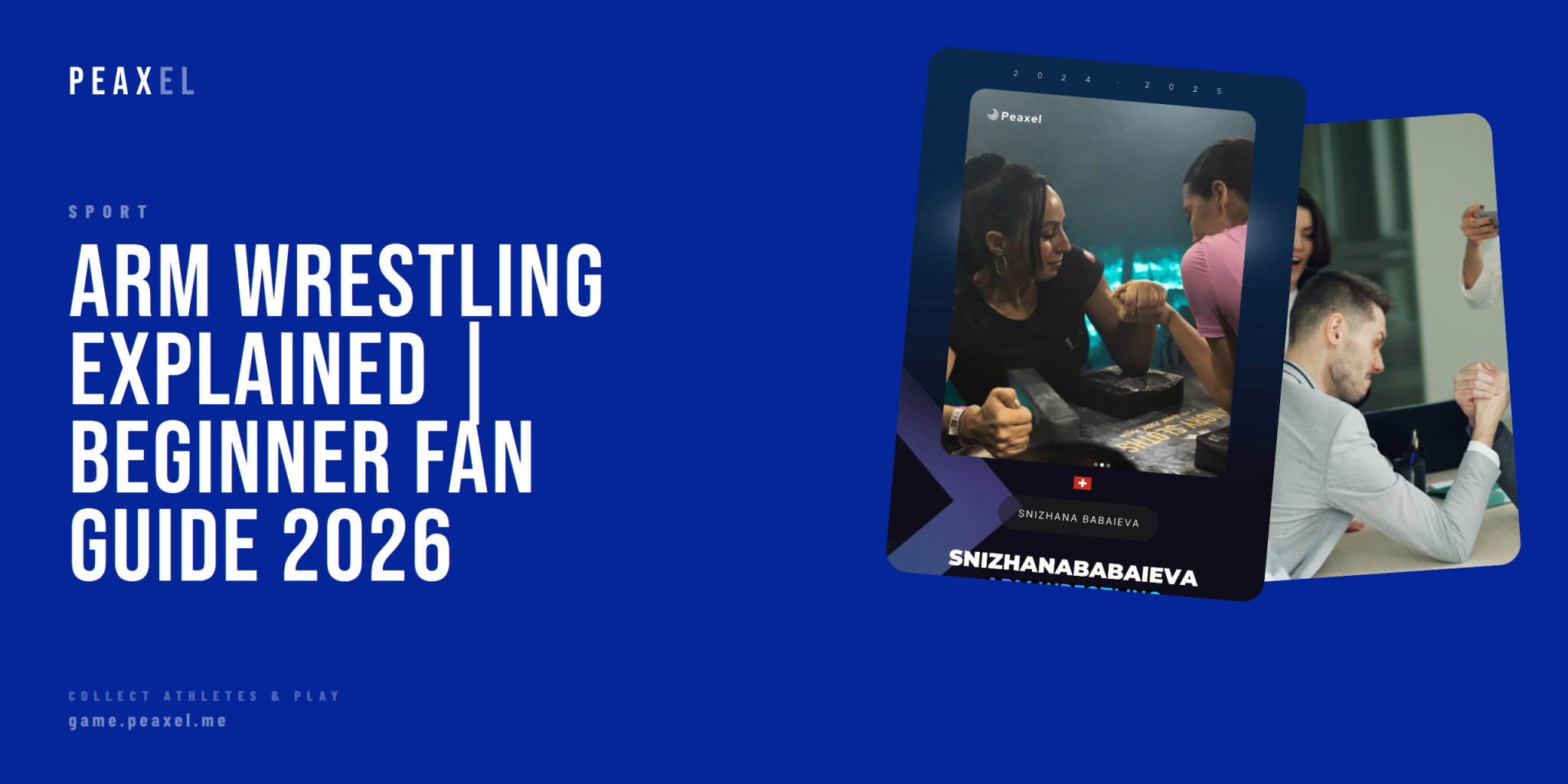
European championships, held in cities like Paris, serve as major qualifying and ranking events. Athletes like Snizhana Babaieva, who secured second place in the 50 kg left-hand finals at the European Armwrestling Championship 2024, demonstrate the level of international talent competing on the continental circuit.
Techniques That Define the Sport
The Top Roll
The top roll is one of arm wrestling’s most technical moves. Athletes using this technique focus on attacking their opponent’s fingers and wrist, attempting to open up their grip and gain leverage. Top rollers typically have strong hand and wrist strength rather than relying purely on arm power.
The Hook
The hook technique emphasizes raw bicep and forearm strength. Athletes curl their wrist inward and attempt to overpower their opponent through pure force. This style favors competitors with exceptional arm strength and is often used by heavier athletes.
The Press
The press involves driving your shoulder and body weight into your opponent, using leverage and positioning rather than isolated arm strength. This technique requires precise body mechanics and is often employed when an athlete cannot win a pure strength battle.
Elite competitors master multiple techniques and switch between them mid-match based on their opponent’s weaknesses. This tactical depth makes high-level arm wrestling far more strategic than casual observers might expect.
Training for Arm Wrestling
Professional arm wrestlers follow specialized training programs that differ significantly from general fitness routines. Grip strength, wrist stability, and forearm endurance receive enormous focus. Athletes use equipment like wrist rollers, hand grippers, and specialized arm wrestling tables during training.
Sparring against training partners remains essential for developing match-specific skills. Unlike pure strength sports, arm wrestling requires athletes to adapt to different opponents’ styles and strengths in real time. This combination of physical preparation and tactical development defines professional training approaches.
Many top competitors train four to six days per week, with sessions targeting specific muscle groups and technique work. Recovery and injury prevention are critical, as the sport places significant stress on elbows, wrists, and shoulders.
Major Events and Where to Watch
The WAF World Armwrestling Championship is the sport’s most prestigious annual event. Continental championships across Europe, Asia, North America, and other regions serve as major competitions throughout the calendar year.
Professional leagues and promotions have emerged in recent years, bringing arm wrestling to broader audiences through streaming platforms and social media. Events often feature dramatic lighting, commentary, and production values that make the sport accessible to new viewers.
For fans looking to follow the sport, WAF maintains official rankings and event calendars. Social media platforms host active arm wrestling communities where fans discuss techniques, athletes, and upcoming competitions.
Why New Fans Are Discovering Arm Wrestling
Arm wrestling’s appeal lies in its raw simplicity combined with surprising technical depth. Matches are short and intense, perfect for modern attention spans. The sport translates well to digital platforms, where highlight clips and full matches attract millions of views.
The accessibility of arm wrestling also draws new fans. Anyone can attempt the basic motion, which creates an immediate connection to what professional athletes accomplish. Yet watching elite competitors reveals layers of technique and strategy invisible to casual observers.
Platforms like Peaxel are bringing arm wrestling athletes to fantasy sports audiences, allowing fans to engage with competitors like Snizhana Babaieva through digital athlete cards and team management. This crossover between traditional competition and digital engagement represents the sport’s growing mainstream potential.
Getting Started as an Arm Wrestling Fan
New fans should start by watching high-level matches to understand the sport’s rhythm and techniques. Pay attention to grip battles at the start of rounds and notice how athletes adjust their strategies against different opponents.
Learning the basic techniques—top roll, hook, and press—helps viewers appreciate what’s happening during matches. Following specific athletes through their competitive seasons provides narrative context that deepens engagement with the sport.
Arm wrestling’s global community welcomes newcomers, with athletes and fans active across social platforms. The sport’s accessibility, combined with its genuine competitive intensity, makes it one of the most engaging strength sports for new audiences to discover. Explore arm wrestling and other grip sports on Peaxel’s complete sports directory.