Why Mental Game Defines Adaptive Wakeboarding
Adaptive wakeboarding places athletes in a unique competitive environment where physical limitations meet extraordinary athletic ambition. Unlike traditional wakeboarding where riders can adjust body position freely, seated wakeboard athletes must execute tricks, handle speeds, and navigate obstacles while managing equipment designed for lower-body disabilities. This creates a mental challenge unlike any other water sport.
The discipline demands a recalibration of instinct. Every movement requires conscious planning. Fear responses must be managed differently. And the mental framework that governs performance becomes the primary determinant of success at international competitions governed by the International Waterski & Wakeboard Federation (IWWF).
The Visualization Techniques That Power Performance
Elite adaptive wakeboard athletes rely heavily on visualization—the practice of mentally rehearsing runs before physical execution. This technique is especially critical in seated wakeboarding because the margin for physical correction is narrow. Athletes must pre-program their movements with precision.
Research in sports psychology consistently shows that visualization activates similar neural pathways as physical practice. For adaptive athletes, this means building muscle memory and confidence without the physical toll of repeated attempts. Many competitors report visualizing entire competition runs dozens of times before touching the water.
Breaking Down a Visualization Session
A typical session involves three phases. First, the athlete visualizes the cable park layout—obstacles, timing, and speed. Second, they rehearse specific tricks or transitions, feeling the handle tension and body position in their mind. Third, they visualize success: landing cleanly, hearing the crowd, seeing the score. This complete mental rehearsal primes the brain for execution.
Fear Management in High-Speed Water Sport
Falling in water at speed is disorienting for any athlete. For seated wakeboard competitors, falls present additional challenges. The seated position changes center of gravity, and recovery requires different techniques than stand-up riding. This creates a psychological barrier that athletes must overcome repeatedly.
Fear management in adaptive wakeboarding involves acceptance rather than elimination. Athletes learn to acknowledge fear as information—a signal to check equipment, assess conditions, and focus. The goal is not fearlessness but functional fear: using anxiety to sharpen attention without allowing it to paralyze action.
Building Progressive Confidence
Coaches working with adaptive wakeboard athletes often use progressive exposure. This means starting with lower speeds and simpler obstacles, allowing the athlete to build a library of successful experiences. Each success reinforces the belief that challenges can be met. Over time, athletes expand their comfort zone methodically rather than through sudden leaps.
Resilience: The Core Mental Attribute
Adaptive athletes often possess resilience forged through life experiences beyond sport. Many have navigated significant physical challenges before entering competition. This background creates a mental foundation that transfers directly to athletic performance.
However, athletic resilience requires specific development. Competition pressure differs from daily life challenges. Judges are watching. Scores are posted. Rivals are performing. The resilience needed to bounce back from a poor run, adjust strategy mid-competition, and perform under observation demands targeted training.
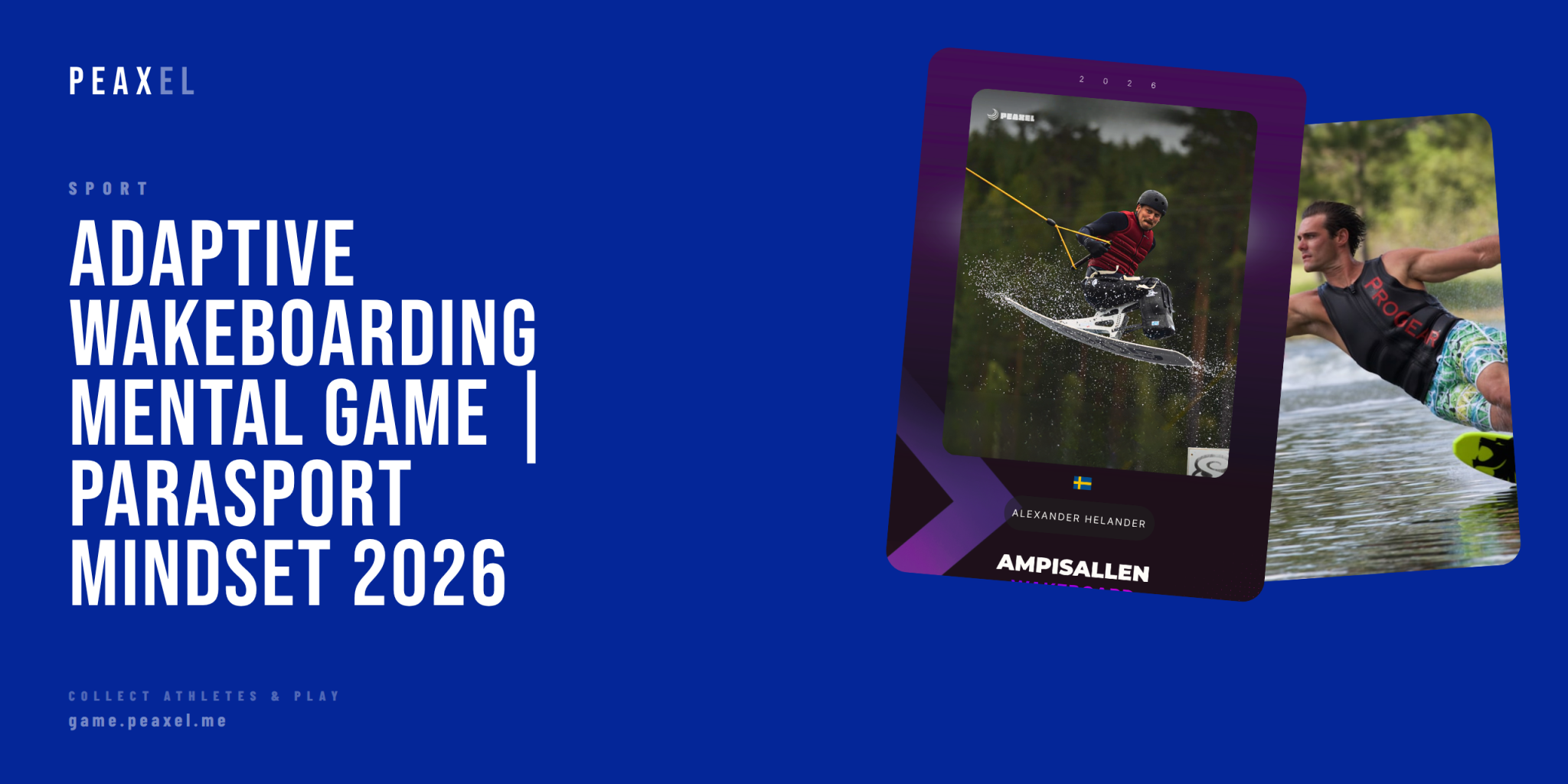
Alexander Helander, the Swedish adaptive wakeboard competitor who represents his country at IWWF World Cable Wakeboard Championships, exemplifies this competitive resilience. Competing in the Wakeboard Seated Open Men category at major international events requires maintaining composure across multiple rounds against global competitors. His advocacy for adaptive sports and active engagement with the disability sports community reflects the broader mental framework required: viewing challenges as opportunities rather than obstacles.
The Role of Community in Mental Preparation
Adaptive wakeboarding exists within a supportive global community. Athletes share techniques, encourage newcomers, and celebrate collective progress. This community aspect serves a critical mental health function—reducing isolation and providing role models.
Social connection buffers against the psychological challenges of adaptive sport. When athletes see peers overcoming similar obstacles, their own challenges feel more manageable. The community creates a normalized environment where disability is simply one variable among many, not the defining characteristic.
Training Camps and Peer Learning
International training camps bring adaptive wakeboard athletes together for intensive skill development. Beyond physical training, these camps provide mental preparation through shared experience. Athletes discuss fear, setbacks, and breakthroughs openly. This peer learning accelerates mental skill development in ways that solo training cannot replicate.
Competition Day Psychology
Competition introduces variables that training cannot fully simulate. Unfamiliar cable parks, different water conditions, crowd noise, and time pressure all affect mental state. Elite adaptive wakeboard athletes develop pre-competition routines to manage these variables.
Common strategies include controlled breathing exercises, specific warm-up sequences, and deliberate isolation before runs. Some athletes listen to music that triggers optimal mental states. Others review video of their best performances. The specific technique matters less than consistency—having a reliable method for entering competition mindset.
Managing Between Runs
Multi-round competitions require sustained mental effort. Athletes must recover from poor performances and avoid complacency after strong ones. The mental skill of compartmentalization—treating each run as independent—separates consistent performers from those who ride emotional waves.
The Future of Mental Training in Adaptive Water Sports
Sports psychology is increasingly integrated into adaptive sport programs. National federations now recognize that mental training provides competitive advantage, especially in disciplines where physical differentiation is limited by equipment categories.
Emerging technologies like biofeedback and virtual reality offer new training possibilities. Athletes can practice visualization with immersive VR environments. Biofeedback devices can train optimal arousal states for competition. These tools are beginning to reach adaptive sports communities, promising accelerated mental skill development.
Discovering Adaptive Wakeboard Athletes
The mental game in adaptive wakeboarding reveals the extraordinary psychological demands of parasport competition. Athletes like Alexander Helander demonstrate that success requires mastering fear, building resilience, and developing visualization skills alongside physical technique.
For fans interested in following adaptive wakeboard athletes and supporting their journeys, Peaxel offers a platform to discover and engage with athletes across dozens of sports—including adaptive disciplines that showcase human potential at its most inspiring.