The U23 Category: BMX Racing’s Most Important Development Stage
Between the grassroots tracks where children first discover BMX Racing and the elite gates of Olympic competition lies a critical developmental category that is reshaping the sport globally. The Under-23 division, officially recognized by the UCI as the junior elite pathway, has become the proving ground where national federations identify, develop, and launch their future Olympic contenders.
In 2026, this category is experiencing unprecedented international expansion. What was once dominated by a handful of traditional BMX powerhouses—the Netherlands, France, Australia, and the United States—now features competitive riders from emerging nations across Europe, South America, and Oceania. The U23 fields at European Cup rounds and World Championship events have grown deeper and more unpredictable than ever before.
This expansion reflects broader structural investments in BMX Racing development pathways, as federations recognize that success at the Olympic level requires systematic talent identification and competitive exposure years before riders reach elite age eligibility.
How the UCI U23 Structure Works
The UCI BMX Racing calendar provides U23 riders with a structured progression system. Athletes aged 19 to 22 compete in dedicated U23 categories at World Championships, European Championships, and Continental Cup rounds. These events run parallel to elite competition, often on the same tracks and during the same weekends, allowing younger riders to observe and learn from established professionals.
The points accumulated in U23 competition feed into both individual rankings and national federation assessments. For smaller nations, strong U23 performances can unlock additional Olympic qualification pathway opportunities and attract federation funding for training programs.
The 2025 UCI BMX Racing World Championships in Copenhagen demonstrated the category’s depth, with U23 podiums featuring riders from France, Australia, the Netherlands, and emerging programs from Spain and Eastern Europe. The competition intensity at these events now rivals elite racing from just a decade ago.
France: The European Benchmark
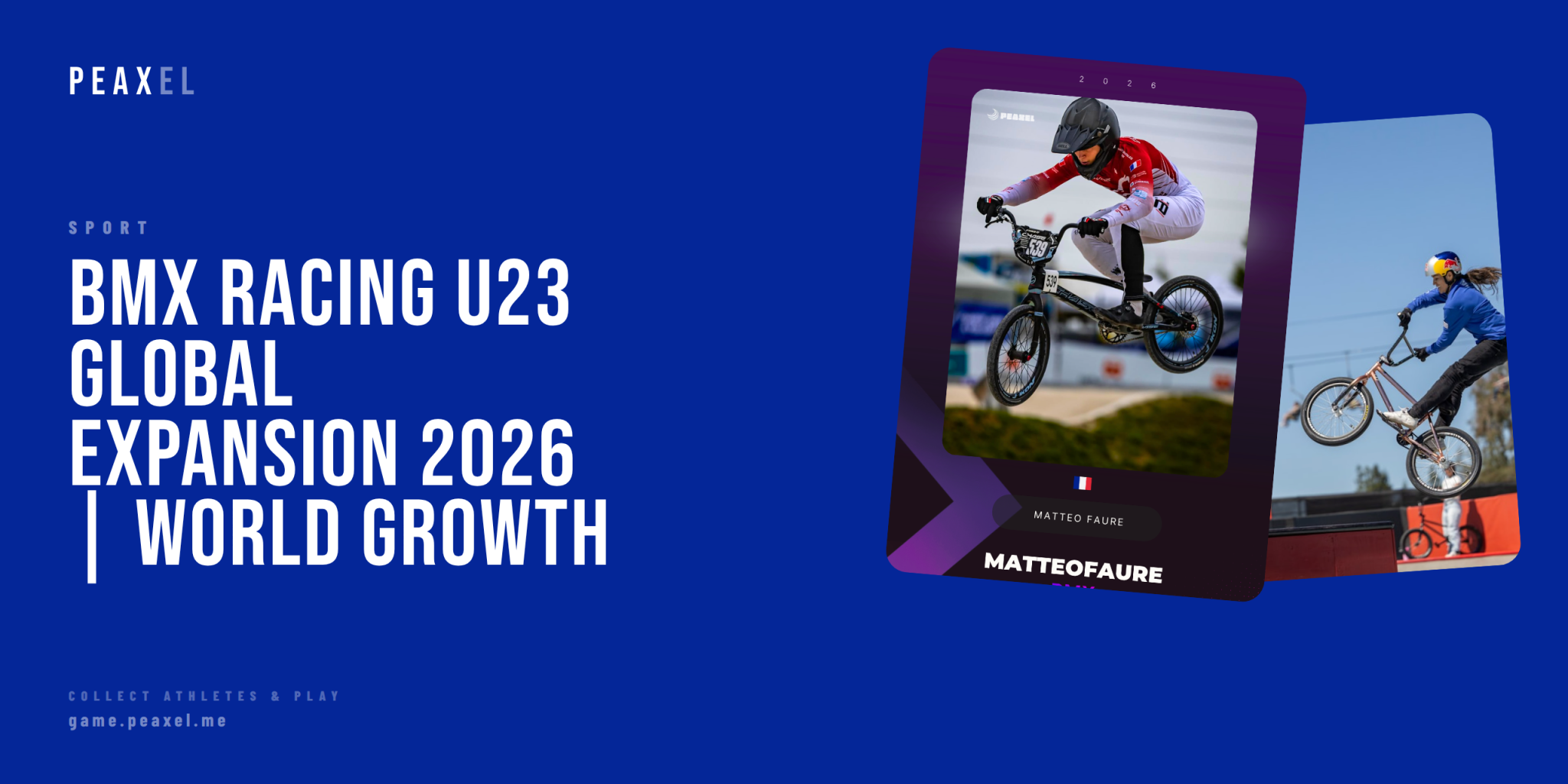
French BMX Racing has established itself as the continental benchmark for U23 development. The national federation operates a sophisticated pipeline connecting regional clubs, national training centers, and international competition calendars. Riders like Matteo Faure, who secured bronze at the 2025 World Championships U23, exemplify this system’s effectiveness.
Faure’s progression through Stade Bordelais BMX and into the French National Team structure illustrates the pathway that French riders follow: regional dominance, national team selection, European Cup exposure, and ultimately World Championship contention. His technical agility and explosive gate starts reflect the emphasis French coaching places on racecraft and tactical intelligence.
The depth of French U23 talent extends beyond individual stars. Multiple French riders consistently reach main event rounds at European Cup stops, creating a competitive internal environment that elevates overall national standards. Fans can follow Faure’s continued development through his Peaxel profile.
The Dutch System: Legacy and Adaptation
The Netherlands maintains its position as a BMX Racing superpower through systematic investment in U23 development. Justin Kimmann represents the Dutch approach: riders developed within high-performance training environments, competing internationally from junior age categories and accumulating experience against the world’s best.
The Kimmann family name carries weight in Dutch BMX—Justin’s brother Niek won Olympic gold in Tokyo 2020. This legacy creates both pressure and inspiration for the current generation of Dutch U23 riders, who train alongside Olympic champions and absorb the tactical and technical knowledge that has made the Netherlands a consistent medal contender.
Dutch U23 riders regularly feature in European Cup finals and World Championship main events, demonstrating the consistency that comes from structured national programs and access to world-class training facilities.
Emerging Nations: Spain, Czech Republic, and New Zealand
Perhaps the most significant trend in U23 BMX Racing is the emergence of competitive programs from nations without traditional BMX infrastructure. Spain has produced riders like Adriana Dominguez Bernal and Marc Román Martínez, who compete across European circuits and bring Spanish representation to World Championship events.
Dominguez Bernal’s journey from Zaragoza to international competition illustrates how determined athletes from smaller programs can access the European racing calendar. Her semifinal appearances at major events demonstrate that talent combined with strategic competition planning can overcome resource disparities.
The Czech Republic’s Vít Gruntorád represents Eastern European BMX development. Competing for TJ BMX Pardubice, he has earned national championship podiums and participated in European Cup rounds, building the competitive experience necessary for continued progression.
From Oceania, Megan Williams showcases New Zealand’s investment in BMX Racing. Her selection for World Championship teams and participation in UCI World Cup events reflects the country’s commitment to developing riders who can compete on the global stage.
The Competition Calendar: Building International Experience
The U23 calendar provides approximately 15-20 international competition opportunities annually, spanning European Cup rounds, Continental Championships, and the World Championships. This frequency allows riders to accumulate racing experience against diverse opponents and track configurations.
European Cup events, held across venues from Verona to Papendal, serve as the primary development battleground. Riders learn to adapt to different track designs, weather conditions, and competitive pressures. The cumulative effect builds the racecraft and mental resilience required for elite-level success.
For riders from smaller federations, these events provide crucial competitive exposure that domestic racing cannot replicate. The investment required—travel, accommodation, equipment, coaching—creates barriers, but federations increasingly recognize that international experience during U23 years correlates with elite success.
What This Expansion Means for Olympic BMX Racing
The global expansion of competitive U23 BMX Racing directly impacts Olympic qualification dynamics. Nations that develop strong U23 programs create pipelines of riders eligible for Olympic quota spots. The depth of competition at World Championships and Continental Championships influences how UCI allocates these spots.
By 2028, riders currently competing in U23 categories will form the core of Olympic teams worldwide. The investments being made today in Spanish, Czech, and New Zealand programs will manifest as increased competitive depth at the Los Angeles Games.
For fans interested in identifying future Olympic contenders, the U23 category offers the clearest preview. Riders who consistently reach main event rounds and podiums at this level possess the technical and tactical foundations required for elite success.
Following the Next Generation
The U23 BMX Racing category represents the sport’s most dynamic competitive space in 2026. Traditional powerhouses maintain their positions while emerging nations challenge established hierarchies. The result is deeper, more unpredictable racing that rewards both established development systems and individual determination.
Peaxel tracks athletes across the full spectrum of BMX Racing, from grassroots competitors to World Championship podium finishers. The platform’s coverage of U23 riders provides fans with early access to the athletes who will define the sport’s future. Explore the complete range of sports and disciplines on Peaxel to discover emerging talent across action sports worldwide.