The Global Landscape of Karate Kumite in 2026
Karate kumite stands as one of combat sports’ most technically demanding disciplines. Athletes must combine lightning reflexes, tactical intelligence, and precise striking within strict WKF regulations. As the sport continues its journey following Olympic inclusion in Tokyo 2020, certain nations have emerged as undisputed powerhouses on the international circuit.
The World Karate Federation oversees a global competition structure that includes the prestigious Karate1 Premier League, continental championships, and world championships. These events reveal clear patterns of national dominance that shape the sport’s competitive hierarchy.
Japan: The Birthplace Maintains Its Edge
Japan remains the spiritual and competitive home of karate. Japanese athletes consistently top WKF world rankings across multiple weight categories. The nation’s systematic approach to athlete development, combining traditional dojo training with modern sports science, produces fighters with exceptional technical foundations.
Japanese kumite athletes are renowned for their timing and counter-attacking precision. The national federation invests heavily in youth programs, ensuring a continuous pipeline of talent flows into senior competition. At recent world championships, Japan has claimed multiple gold medals, reinforcing its position at the summit of international karate.
Iran: Middle Eastern Powerhouse
Iran has established itself as a dominant force in men’s kumite. Iranian fighters bring explosive athleticism and aggressive tactical approaches that have proven highly effective on the WKF circuit. The nation’s success spans multiple weight categories, with Iranian athletes frequently appearing on Premier League podiums.
The Iranian karate federation has built a comprehensive competitive structure domestically, creating intense selection pressure that produces battle-hardened athletes. This depth of talent ensures Iran remains competitive even when facing established karate nations.
Ukraine: European Excellence Under Pressure
Despite challenging circumstances, Ukraine continues producing world-class kumite athletes. Ukrainian fighters have demonstrated remarkable resilience and competitive spirit on the international stage. At the 2025 World Championships in Cairo, Ukrainian athletes achieved historic results, including podium finishes in multiple categories.
Athletes like Dariia Bulay represent this fighting spirit. Competing in the +68 kg division, Bulay claimed gold at the 2026 European Junior & U21 Championships in Limassol and earned silver at the 2025 European Senior Championships. Her performances on the Karate1 Premier League circuit demonstrate Ukraine’s continued relevance among elite karate nations.
Turkey and Egypt: Rising Contenders
Turkey has invested significantly in karate infrastructure over the past decade. Turkish athletes now regularly challenge for medals at European and world championships. The nation benefits from strong club systems and increasing government support for combat sports development.
Egypt leverages its position as a frequent host of major WKF events to build domestic karate culture. Egyptian fighters have shown particular strength in lighter weight categories, where speed and technical precision determine outcomes.
Southeast Asian Emergence
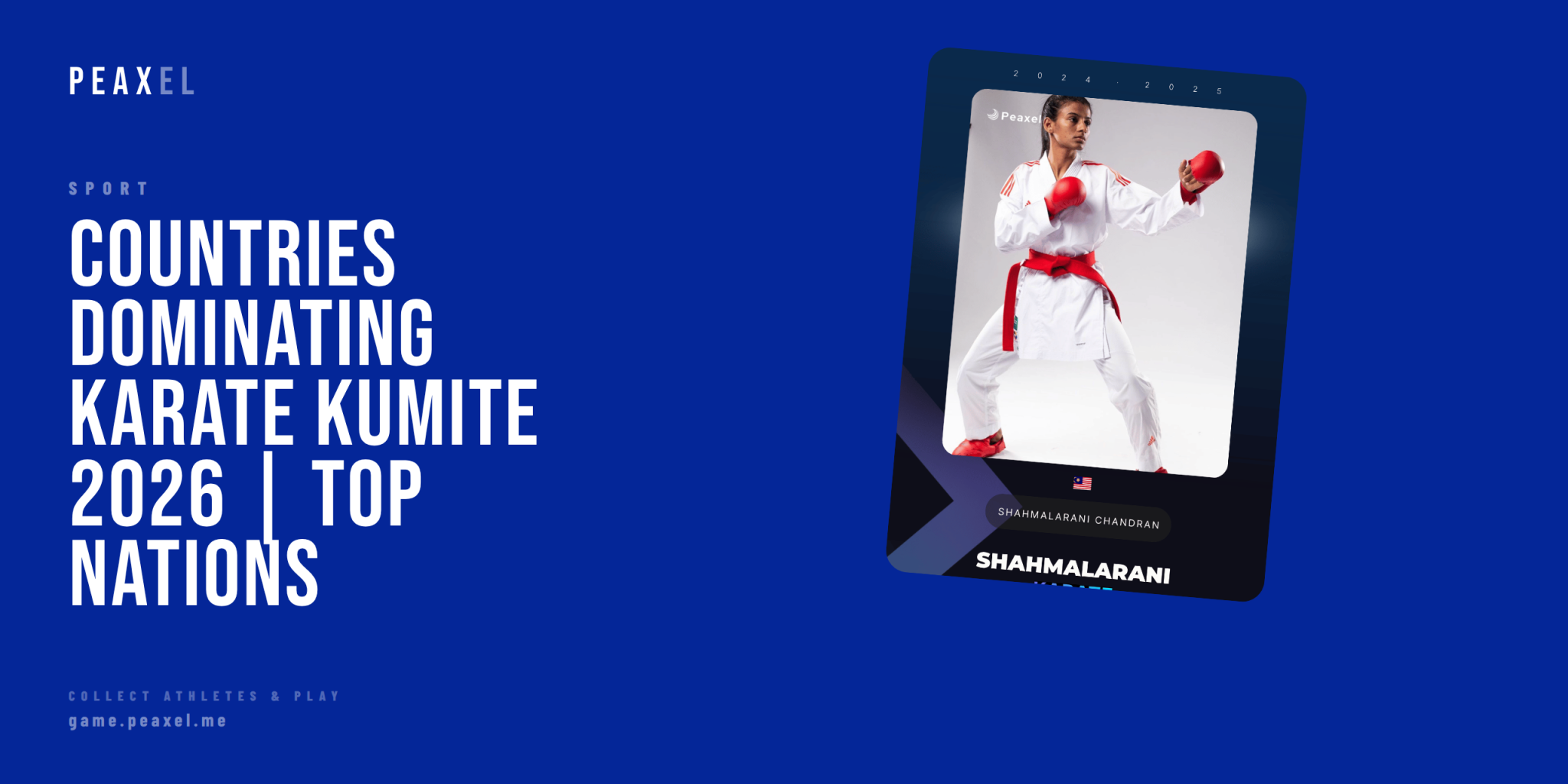
Malaysia has emerged as Southeast Asia’s leading karate nation. Shahmalarani Chandran exemplifies this rise, competing internationally in the women’s -50 kg category. Her historic silver medal at the 2025 World Championships in Cairo marked only the second time a Malaysian karateka reached a world final. Multiple SEA Games gold medals and Asian Championship podiums confirm Malaysia’s growing stature in kumite competition.
Vietnam and Indonesia have also expanded their karate programs, increasing regional competition depth and producing athletes capable of challenging established powers.
European Depth Beyond the Headlines
France, Italy, and Spain maintain strong kumite traditions within Europe. French karate benefits from excellent sports institute support and a deep talent pool. Italian fighters are known for tactical sophistication, while Spanish athletes bring dynamic attacking styles that create exciting matches.
The European Karate Championships consistently produce the highest-quality continental competition, serving as a proving ground before world-level events.
What Makes Nations Dominant in Kumite
Several factors determine national success in karate kumite. Systematic youth identification and development programs create talent pipelines. Access to high-level domestic competition sharpens athletes for international pressure. Sports science integration—including video analysis, nutrition, and recovery protocols—optimizes physical preparation.
Cultural factors also matter. Nations where karate holds traditional significance often produce athletes with deeper technical foundations and mental resilience forged through years of disciplined training.
The Road to Los Angeles 2028
With karate excluded from Paris 2024 but campaigning for Los Angeles 2028 inclusion, national federations continue investing in elite athlete development. The WKF circuit maintains its prestige as the primary competitive pathway, with Premier League rankings determining seedings and qualifying positions for major championships.
For fans wanting to follow kumite athletes and other combat sports competitors, platforms like Peaxel offer opportunities to discover and support fighters from karate’s dominant nations as they pursue glory on the world stage.