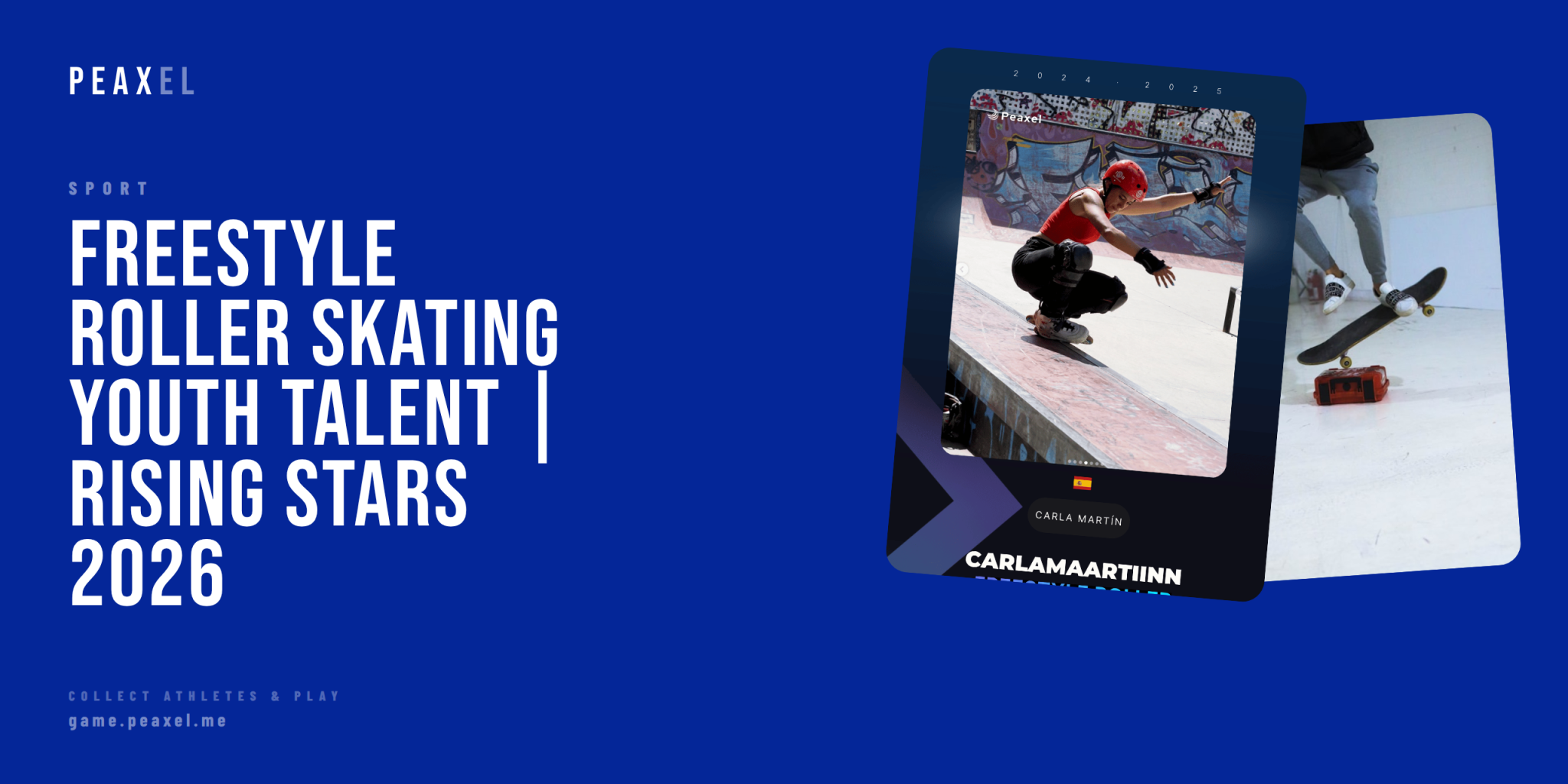
The Youth Revolution in Freestyle Roller Skating
Freestyle roller skating is experiencing a generational shift. Across park bowls and vert ramps worldwide, teenagers are landing tricks that seemed impossible a decade ago. The sport’s governing body, World Skate, has documented a significant increase in youth participation since 2020, with junior categories at major championships now featuring deeper talent pools than ever before.
Unlike traditional roller sports, freestyle disciplines demand a unique combination of gymnastics-level body control, skateboard-influenced trick vocabulary, and the speed that only wheels can provide. Young athletes who grew up watching action sports on social media are now competing at the highest levels before they turn 20.
Park and Vert: Two Paths to Excellence
Freestyle roller skating splits into distinct disciplines, each requiring specialized skills. Park skating takes place in skateparks with bowls, rails, and transitions. Athletes chain together technical grinds, aerials, and creative lines across varied terrain. Vert skating focuses on halfpipe performance, where riders launch above the coping to execute spins, flips, and grabs at heights exceeding four meters.
The World Skate Games serve as the sport’s pinnacle event, bringing together competitors from both disciplines. Recent editions have showcased just how young the elite tier has become—multiple medalists in recent years have been under 20 years old.
Spain’s Teenage World Champion
Perhaps no athlete better represents this youth movement than Carla Martín. Born in 2005 in Sant Quirze del Vallès, Spain, she transitioned from roller hockey to freestyle skating and immediately showed exceptional ability. By 2021, at just 16, she claimed the European Championship title in park. The following year, she traveled to Argentina for the World Skate Games and won the vert world championship at 17.
Martín’s trajectory illustrates how quickly young talent can ascend in freestyle roller skating. Her background in hockey provided skating fundamentals, but her success in vert—arguably the sport’s most demanding discipline—required mastering an entirely different skill set. She balances rigorous training with academic commitments, a common challenge for teenage elite athletes.
Why Youth Athletes Are Dominating
Several factors explain why freestyle roller skating skews young at the top level. First, the sport rewards fearlessness. Learning to drop into a four-meter vert ramp or commit to a new aerial trick requires a risk tolerance that often peaks in adolescence. Second, social media has compressed the learning curve. Young skaters study trick tutorials and competition footage daily, accelerating technical development.
Third, the physical demands favor lighter, more flexible athletes. The rotational tricks that score highest—720s, backflips, and complex grab combinations—are biomechanically easier for smaller bodies to execute. This creates a window of competitive advantage for teenagers before their adult physiques require technique adjustments.
The Global Pipeline
Youth development in freestyle roller skating now spans every continent. European nations like Spain, France, and Italy have established junior programs through national federations. South American countries, particularly Argentina and Brazil, produce strong vert specialists. The United States and Australia contribute athletes from their deep action sports cultures.
World Skate’s qualification pathways ensure junior competitors gain international experience before moving to elite divisions. Continental championships in Europe, Asia, and the Americas feature dedicated youth categories, creating a structured progression from local competitions to world-level events.
Technical Evolution Driven by Young Riders
The tricks defining modern freestyle roller skating were often pioneered or popularized by young athletes. In park, technical grinds on small features have given way to massive transfers and aerial combinations. In vert, rotation counts have increased—540s are now baseline expectations for competitive runs, with 720s and 900s separating podium finishers.
Equipment innovation supports this progression. Lighter frames, more responsive wheels, and protective gear designed for high-impact landings allow athletes to attempt tricks that would have been career-ending risks in previous decades. Young riders adopt new technology fastest, integrating it into their development from the start.
The Mental Game for Young Competitors
Competing at world championships as a teenager brings unique psychological challenges. Athletes must manage expectations from federations, sponsors, and social media audiences while their brains are still developing emotional regulation. Sports psychology support has become standard in elite programs, helping young skaters separate self-worth from competition results.
The best youth programs emphasize long-term athlete development over immediate results. Coaches focus on building sustainable technique foundations rather than pushing athletes to attempt tricks they’re not ready for. This approach reduces injury rates and extends competitive careers into athletes’ twenties and beyond.
What’s Next for Freestyle Roller Skating
The sport continues pushing for broader recognition. World Skate’s inclusion in multi-sport events has increased visibility, and discussions about potential Olympic inclusion remain ongoing. For young athletes currently competing, this represents a possible future pathway that didn’t exist for previous generations.
Meanwhile, the grassroots scene thrives. Skateparks worldwide host local competitions where the next generation of talent emerges. Social media allows young skaters from any country to build audiences and attract attention from sponsors and national teams. The barriers to entry have never been lower for talented athletes willing to put in the work.
Platforms like Peaxel now feature freestyle roller skating athletes, allowing fans to follow and support riders across the sport’s various disciplines. You can explore the full range of sports on Peaxel or discover athletes like Carla Martín directly through the game.