What Makes Trick Slalom Different
Trick slalom is not your typical inline skating discipline. While freestyle slalom rewards technical precision through standardized tricks and tight judging criteria, trick slalom flips the script entirely. Here, creativity reigns supreme. Skaters navigate 15 soft cones spaced at 150mm intervals, but the goal is not to execute predetermined moves—it’s to express individuality through movement, rhythm, and style.
The discipline was born in Japan as a rebellious offshoot of traditional slalom. Athletes wanted freedom to invent, to combine influences from aggressive skating, dance, and urban freestyle. A simple trick done with flair scores higher in the community’s eyes than a complex sequence performed without personality. This philosophy has attracted a global wave of skaters seeking artistic expression on wheels.
The Japanese Roots
Japan remains the heartland of trick slalom culture. Cities like Tokyo, Osaka, Saitama, and Shizuoka host regular sessions, seminars, and informal competitions where skaters gather to share new moves and challenge each other creatively. The scene operates largely outside traditional federation structures, thriving instead through social media, local meetups, and word-of-mouth.
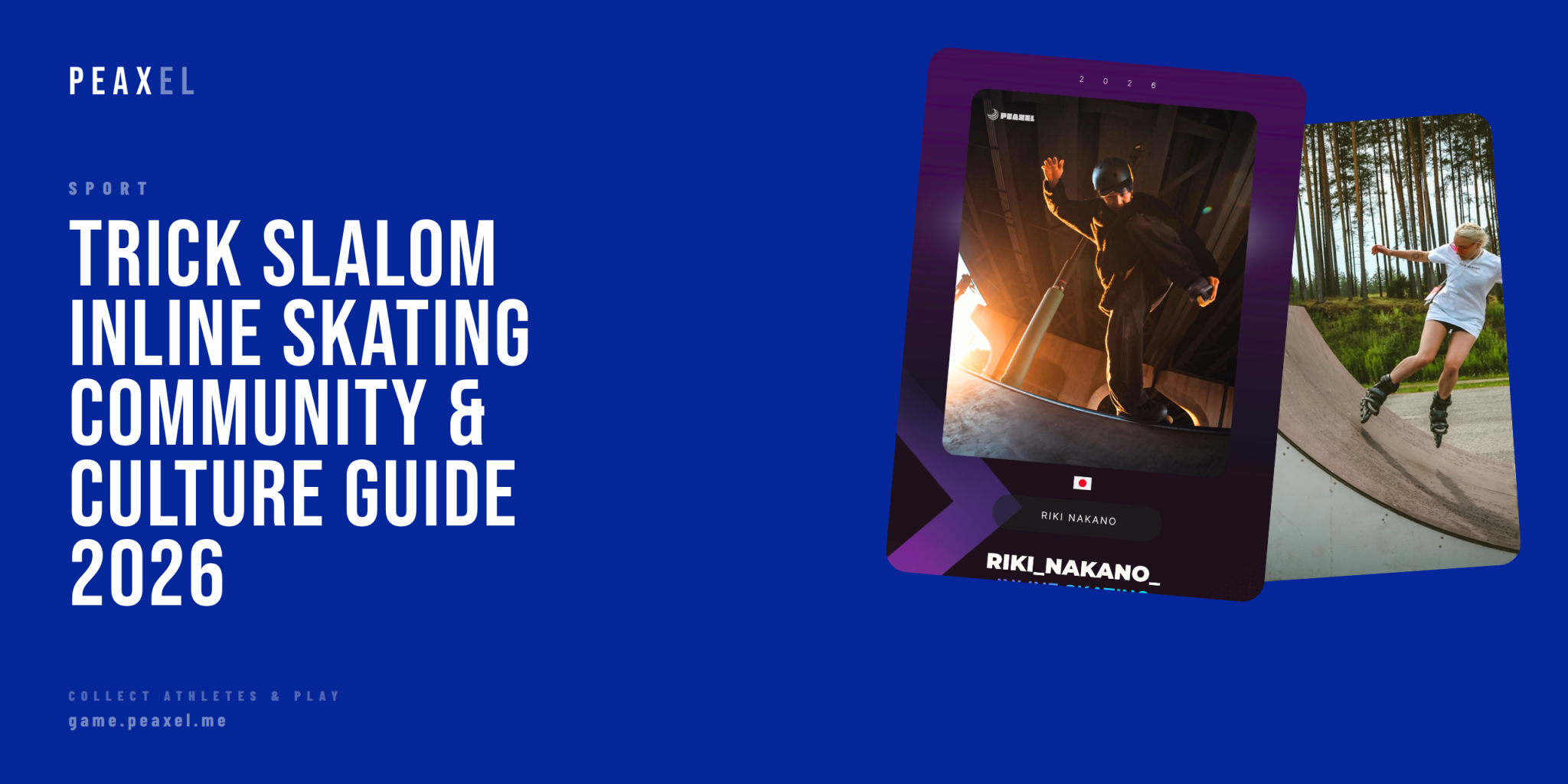
Athletes like Riki Nakano have become ambassadors for the discipline. Nakano, a Rollerblade® ambassador, regularly organizes events across Japan and dreams of hosting an international trick slalom world championship. His Instagram presence has introduced thousands of fans worldwide to the discipline’s unique aesthetic.
A Family Affair
Many Japanese trick slalom skaters discovered the sport through family. Nakano himself was introduced to skating by his uncle, with his father and brother following soon after. This generational transmission has created tight-knit local communities where knowledge passes organically from experienced skaters to newcomers.
Global Expansion Through Social Media
What started in Japanese parks has spread across continents via Instagram, TikTok, and YouTube. Trick slalom’s visual appeal—fluid movements, creative combinations, urban backdrops—translates perfectly to short-form video. Skaters in Europe, North America, and Southeast Asia now share their own interpretations, blending local influences with Japanese foundations.
This digital growth has not replaced physical community. Instead, it has fueled demand for in-person events. Skaters who discover trick slalom online often seek out local sessions or travel internationally to train with established practitioners. The result is a hybrid culture: globally connected yet deeply rooted in local scenes.
The Values That Define the Scene
Trick slalom culture prioritizes originality over imitation. Skaters earn respect by inventing new combinations, not by perfecting existing ones. This ethos attracts athletes who feel constrained by rigid competitive structures in other disciplines.
Inclusivity is another pillar. Sessions welcome beginners and veterans alike. There’s no gatekeeping based on skill level—only enthusiasm for creative expression. This open atmosphere has helped trick slalom grow faster than many traditional inline disciplines.
Style Over Scores
Unlike freestyle slalom competitions with detailed technical judging, trick slalom events often use crowd response or peer voting to determine standout performances. The subjective nature of judging reflects the discipline’s artistic priorities. A skater who captivates the audience wins, regardless of trick difficulty.
Equipment and Accessibility
Trick slalom requires minimal specialized gear. Standard freestyle slalom skates work well, though some athletes prefer setups that allow for greater ankle flexibility. The 15 soft cones are inexpensive and portable, making it easy to set up sessions anywhere—parks, plazas, parking lots, or indoor spaces.
This low barrier to entry has accelerated adoption. Unlike disciplines requiring ramps, rails, or dedicated facilities, trick slalom can happen wherever flat ground exists. Urban environments become playgrounds, and spontaneous sessions are common.
Where Trick Slalom Is Headed
The discipline is at an inflection point. Growing international interest has sparked conversations about organizing formal world championships while preserving the culture’s grassroots spirit. Athletes like Nakano advocate for events that celebrate creativity without imposing restrictive judging frameworks.
Brands have taken notice. Rollerblade® and other manufacturers now sponsor trick slalom athletes, recognizing the discipline’s marketing appeal and authentic community engagement. This commercial interest brings resources for events and content creation without—so far—compromising the scene’s independent ethos.
The Next Generation
Youth participation is rising. Young skaters drawn to trick slalom’s freedom and visual style are joining sessions worldwide. Many discover the discipline through social media before ever touching cones, arriving with clear creative visions they want to execute.
How Fans Can Engage
For those new to trick slalom, the best entry point is social media. Following athletes like Riki Nakano offers a window into the discipline’s creative possibilities. From there, seeking out local inline skating communities—many of which include trick slalom practitioners—provides hands-on exposure.
Peaxel offers another avenue for engagement. The platform features trick slalom athletes among its roster of action sports talents, allowing fans to follow their journeys, collect digital cards, and support their careers directly. For a sport built on community, Peaxel’s model of connecting fans with athletes fits naturally.
Explore all inline skating and action sports disciplines featured on the platform through the complete sports list.
A Culture Worth Watching
Trick slalom inline skating represents something increasingly rare in competitive sports: a discipline where creativity genuinely matters more than conformity. Its Japanese origins, grassroots growth, and social media expansion have created a vibrant global community united by style and self-expression. As the scene matures, it offers both athletes and fans a refreshing alternative to heavily structured competition—and a reminder that sports can be art.