The Reality of MMA Fighter Income Outside the UFC
When fans think of MMA sponsorship, images of Conor McGregor’s Proper Twelve whiskey deals or Israel Adesanya’s Puma contracts come to mind. The reality for 99% of professional fighters looks dramatically different. Regional MMA competitors across Europe, Latin America, and Asia build careers through a patchwork of local sponsorships, gym partnerships, and community support that rarely generates headlines but keeps the sport alive at its foundation.
Understanding how these sponsorship structures work reveals the true economics of combat sports. For every UFC millionaire, thousands of skilled professionals compete for modest purses while balancing training with day jobs. Their sponsorship strategies offer lessons in authenticity, community building, and the grassroots business of fighting.
How Regional MMA Sponsorship Actually Works
The Three-Tier Sponsorship Model
Regional MMA fighters typically operate within three sponsorship tiers. Primary sponsors provide the largest financial contribution, often covering training camp costs or appearing on fight shorts. Secondary sponsors contribute smaller amounts in exchange for social media mentions and walkout banner placement. In-kind sponsors provide products rather than cash—supplements, recovery equipment, or apparel.
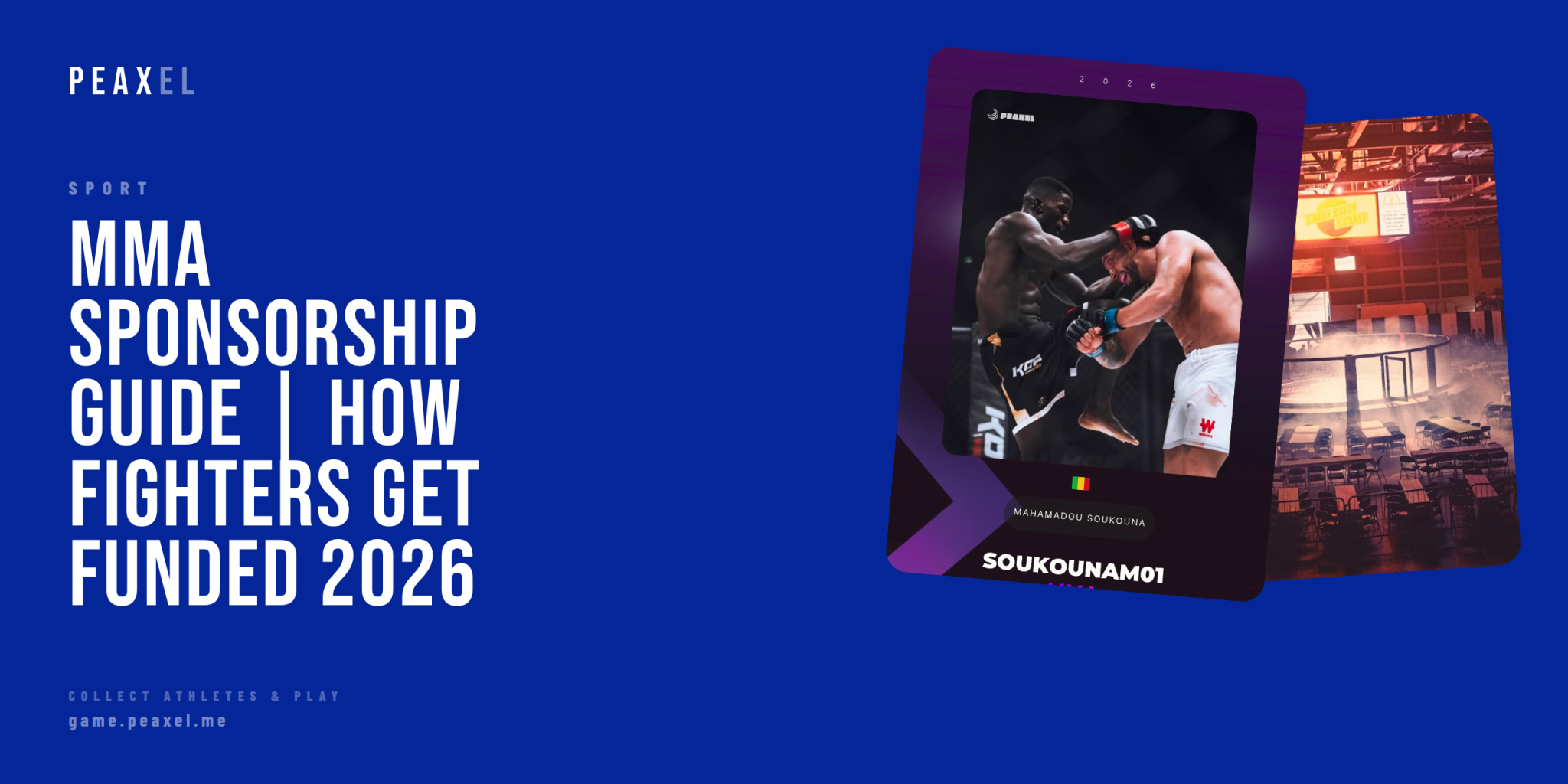
For fighters competing in European promotions like Mahamadou Soukouna, who fights for Hexagone MMA and Ares Fighting Championship, this model is essential. Soukouna’s sponsor roster includes Bamboo CBD Toulouse and Matskill Wear—local businesses that align with his Toulouse base and Franco-African identity. These partnerships are geographic and cultural rather than purely financial.
The Gym as Business Partner
Training gyms often function as quasi-sponsors for regional fighters. Bulgarian Top Team, where Soukouna trains, provides coaching, facilities, and sometimes travel support in exchange for representation at events. This arrangement benefits both parties: fighters gain world-class training without upfront costs, while gyms build their brand through competitive success.
This model contrasts sharply with UFC structures, where fighters pay for their own camps and gyms charge membership fees regardless of competitive outcomes. Regional fighters often have more collaborative relationships with their training environments.
Building a Fighter Brand on Limited Resources
Social Media as the Great Equalizer
Instagram and TikTok have transformed how regional fighters attract sponsors. A welterweight with 10,000 engaged followers can demonstrate value to local businesses that would never consider traditional advertising. Soukouna’s active presence on social media under @soukounam01 allows him to offer sponsors direct access to a dedicated audience interested in combat sports, fitness, and lifestyle content.
Content creation has become a parallel skill to fighting itself. Fighters who consistently post training footage, behind-the-scenes content, and personal stories create sponsorship opportunities that transcend their competitive records. A 4-1 fighter with strong social engagement can command better deals than a 10-2 fighter with no online presence.
The Value of Ranking Recognition
Regional rankings serve as credibility markers for sponsorship conversations. Soukouna’s position as the #151 ranked Welterweight in Western Europe on Tapology provides tangible evidence of professional status. These rankings help fighters differentiate themselves from amateur competitors when approaching potential sponsors.
Similarly, Fernando Flores, who competed across Scandinavian promotions including Superior Challenge, leveraged his Europe Nordic MMA ranking recognition to maintain a professional career spanning 27 fights. His longevity demonstrates how sustained regional activity can substitute for headline-grabbing victories.
The Economics of Regional MMA Careers
Fight Purses vs. Sponsorship Income
Regional MMA fight purses typically range from €500 to €5,000 depending on the promotion, card position, and fighter experience. For most competitors, sponsorship income equals or exceeds what they earn from fighting itself. A fighter with four sponsors contributing €500 each generates €2,000 per camp—potentially more than their show money.
This economic reality shapes career decisions. Fighters must balance training time against sponsor obligations, content creation, and often additional employment. The most successful regional professionals treat their careers as small businesses rather than pure athletic pursuits.
Geographic Sponsorship Strategy
Smart regional fighters build sponsorship portfolios around their geographic base. A Toulouse-based fighter partners with Toulouse businesses. A Stockholm competitor targets Swedish brands. This localization creates authentic partnerships and reduces competition with fighters in other markets.
Fernando Flores, based in Umeå, Sweden, built relationships within the Nordic MMA ecosystem over years of competition. His involvement in Swedish MMA association activities expanded his network beyond pure fighting, creating opportunities that would not exist for transient competitors.
What Sponsors Actually Want from Fighters
Authenticity Over Exposure
Local sponsors rarely expect massive reach from regional MMA partnerships. What they value is authenticity—a real person genuinely using and endorsing their products. A CBD company partnering with a fighter who openly discusses recovery and pain management gains credibility that traditional advertising cannot replicate.
This authenticity requirement benefits fighters who build genuine relationships with sponsors rather than treating partnerships as transactional. Sponsors who see fighters using products in training, not just in promotional posts, become long-term partners rather than single-event deals.
Community Representation
Regional fighters often represent specific communities—ethnic, geographic, or cultural. Soukouna carries both French and Malian flags into competition, representing Franco-African communities in southern France. This dual identity creates sponsorship opportunities with businesses targeting either demographic.
Brands seeking to reach specific communities find authentic ambassadors more valuable than generic endorsements. A fighter who genuinely embodies a community’s values provides marketing impact that transcends their competitive achievements.
The Future of Regional MMA Business Models
Digital Platforms and Fighter Ownership
Emerging platforms are changing how fans engage with regional fighters. Fantasy sports platforms like Peaxel allow fans to collect athlete cards and manage teams featuring fighters from diverse combat sports disciplines. These models create new revenue streams independent of traditional sponsorship.
Fighters who build engaged fan communities position themselves for these emerging opportunities. The same social media skills that attract local sponsors translate directly to digital platform success.
Promotion Consolidation and Sponsorship Evolution
European MMA continues consolidating around major regional promotions. Ares Fighting Championship, Hexagone MMA, and Superior Challenge attract increasingly professional fighter rosters and correspondingly sophisticated sponsors. This professionalization benefits fighters who approach their careers strategically.
As regional MMA matures, sponsorship structures are evolving from informal arrangements to structured partnerships with defined deliverables. Fighters who document their value—social engagement metrics, media appearances, community involvement—position themselves for better deals as the market develops.
Lessons from the Regional MMA Sponsorship Model
The business of regional MMA offers insights applicable across sports. Authenticity matters more than reach. Geographic focus beats generic positioning. Community representation creates unique value. And longevity—showing up fight after fight, year after year—builds relationships that single spectacular performances cannot.
Fighters like Mahamadou Soukouna and Fernando Flores demonstrate that sustainable professional careers exist outside elite organizations. Their sponsorship strategies prioritize relationships over transactions, local over global, and genuine representation over manufactured personas. For fans interested in supporting athletes building careers through skill and hustle rather than organizational backing, exploring fighters on Peaxel’s gaming platform offers direct engagement with the competitors shaping regional MMA’s future.