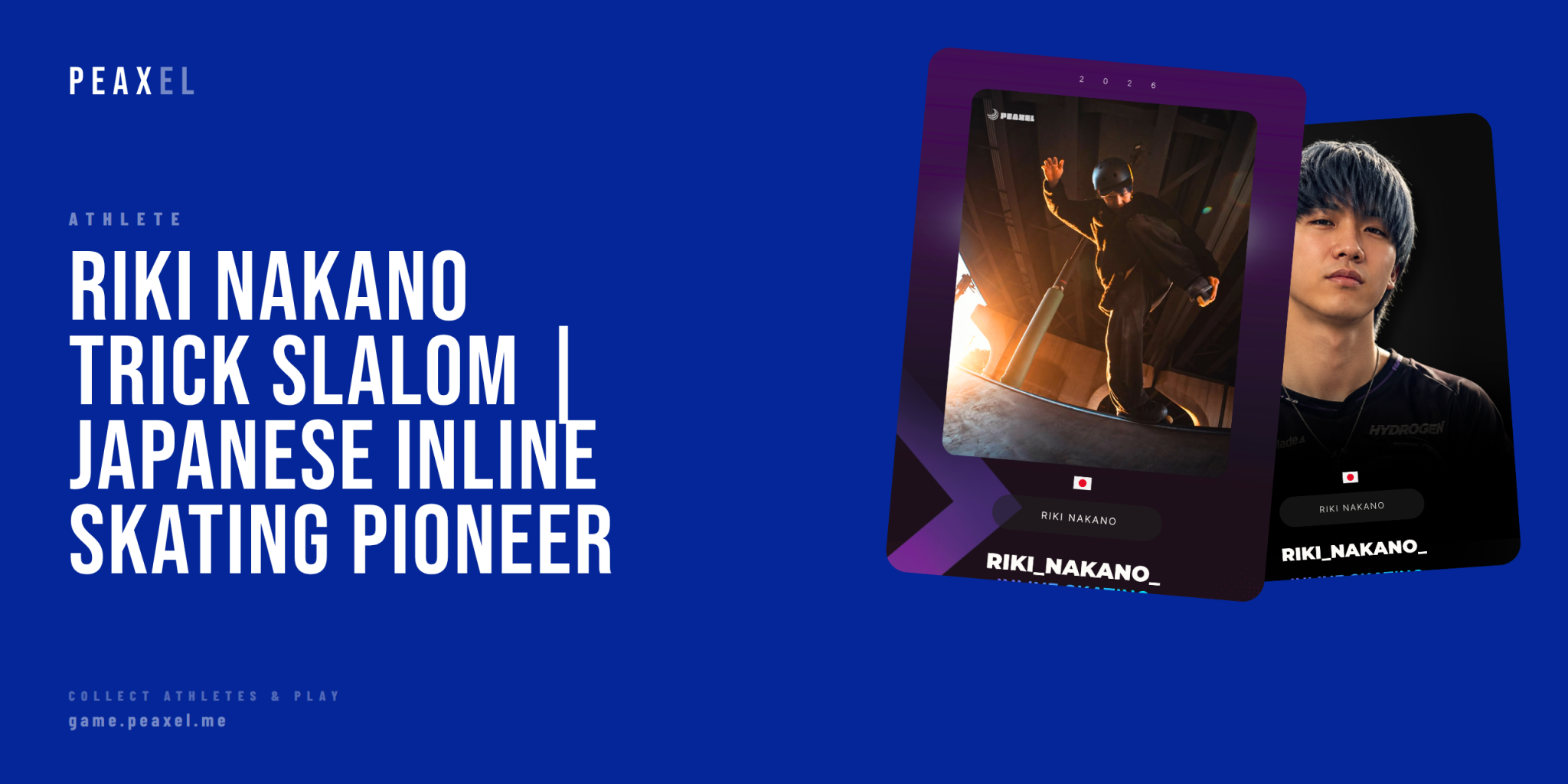
A Discipline Born in Japan: The Origins of Trick Slalom
While freestyle slalom skating has gained international recognition through structured competitions and technical scoring systems, a different discipline emerged from the streets and skateparks of Japan—one that prioritizes pure creativity over points. Trick slalom inline skating, sometimes called “trickslalom” in Japanese skating circles, was born as an artistic rebellion against rigid judging frameworks.
Traditional freestyle slalom uses 50 small cones placed at 50cm intervals, with athletes evaluated on technical difficulty, execution, and choreography. Trick slalom takes a radically different approach: 15 larger soft cones set at 150mm intervals, with no strict scoring system. Style and originality reign supreme. A simple trick executed with flair is valued more highly than a complex move performed without personality.
This distinction matters because trick slalom has cultivated a unique culture where self-expression outweighs competition. The discipline draws influence from aggressive skating, urban styles, and even street skateboarding—creating something that feels more like art than sport.
Riki Nakano: From Family Tradition to Global Ambition
Riki Nakano was born on July 2, 2002, in Tokyo, Japan. He began skating at age five, introduced to the sport through a family lineage of inline enthusiasts. His uncle was the first to lace up, inspiring both Riki’s father and older brother to follow. Watching his uncle and brother excel in trick slalom ignited a competitive drive that pushed Riki to develop his own identity on wheels.
Growing up in Tokyo gave Riki access to one of the world’s most vibrant inline skating scenes. The city’s mix of urban environments and dedicated skating spaces provided endless opportunities to experiment with new movements. By his teenage years, Riki had developed a signature aesthetic that caught the attention of the global inline community.
His Instagram presence under @riki._.nakano became a showcase for innovative combinations that blended freestyle slalom, aggressive skating, and urban styles. This visibility led to an official ambassadorship with Rollerblade®, one of the most prestigious brands in inline skating—a significant milestone for any skater, let alone one specializing in a niche Japanese discipline.
The Creative Philosophy Behind Trick Slalom
Riki’s approach to training defies conventional athletic preparation. Rather than structured drills and repetitive practice, he skates with friends, films content, and lets creativity lead each session. This unconventional method reflects trick slalom’s core philosophy: innovation over imitation.
“I’m constantly seeking out movements and combinations that no one else has performed before,” Riki has explained in interviews with skating media. His goal isn’t to perfect existing tricks but to invent new ones—to push the vocabulary of what’s possible on inline skates.
This mindset has made him a pioneer in a discipline that resists standardization. While freestyle slalom competitions exist worldwide with established judging criteria, trick slalom remains largely community-driven. Events are often informal gatherings where skaters share ideas rather than compete for rankings.
Building a Global Community from Tokyo
Beyond his personal skating, Riki has committed himself to growing trick slalom internationally. He regularly organizes local seminars and competitions across Japanese cities including Tokyo, Saitama, Shizuoka, and Okayama. These events serve as both training grounds for local skaters and showcases for the discipline’s creative potential.
His long-term vision extends far beyond Japan’s borders. Riki aspires to host an international trick slalom world championship—an event that would bring together the discipline’s best practitioners from across the globe. He also dreams of building a dedicated skating rink in his home prefecture of Shizuoka, creating a permanent home for the sport he loves.
These ambitions position Riki not just as an athlete but as an ambassador for an entire skating subculture. His Rollerblade sponsorship amplifies this role, giving him resources and visibility to spread trick slalom’s philosophy worldwide.
Where Trick Slalom Fits in Inline Skating’s Future
Inline skating has experienced a global resurgence since 2020, with recreational skating booming and competitive disciplines gaining new audiences. Freestyle slalom has benefited from this growth, with increasing participation in World Skating Federation events and growing media coverage.
Trick slalom occupies a different space—one that appeals to skaters who prioritize artistic expression over competitive achievement. This makes it similar to skateboarding’s street culture before Olympic inclusion: a community-driven practice where authenticity matters more than medals.
For fans of action sports and emerging disciplines, trick slalom represents exactly the kind of athlete-first culture that defines underground sports movements. Athletes like Riki Nakano are shaping the discipline’s identity before mainstream attention arrives.
Discovering Riki Nakano on Peaxel
As trick slalom inline skating grows beyond Japan, athletes like Riki Nakano deserve recognition from global sports fans. His unique combination of technical skill, creative vision, and community leadership makes him one of the most compelling figures in inline skating today.
Fans interested in following his journey can explore his athlete profile on Peaxel or engage with his development through the Peaxel fantasy sports platform. For those curious about niche sports with passionate communities, trick slalom—and Riki’s role in it—offers a fascinating entry point into a discipline where creativity will always matter more than convention.