The New Era of Women’s BMX Racing
BMX racing has always been defined by explosive power, split-second decisions, and fearless competition. In 2026, the women’s side of the sport is experiencing a transformation that’s impossible to ignore. Female riders are not just participating—they’re dominating headlines, breaking barriers, and forcing the entire BMX community to reconsider what elite performance looks like.
The UCI BMX Racing calendar has never been more competitive for women. From World Cup stops across Europe to the pinnacle World Championships, the depth of talent in the women’s field continues to grow. Countries that once struggled to field full women’s teams are now producing multiple elite contenders, and the racing has never been closer.
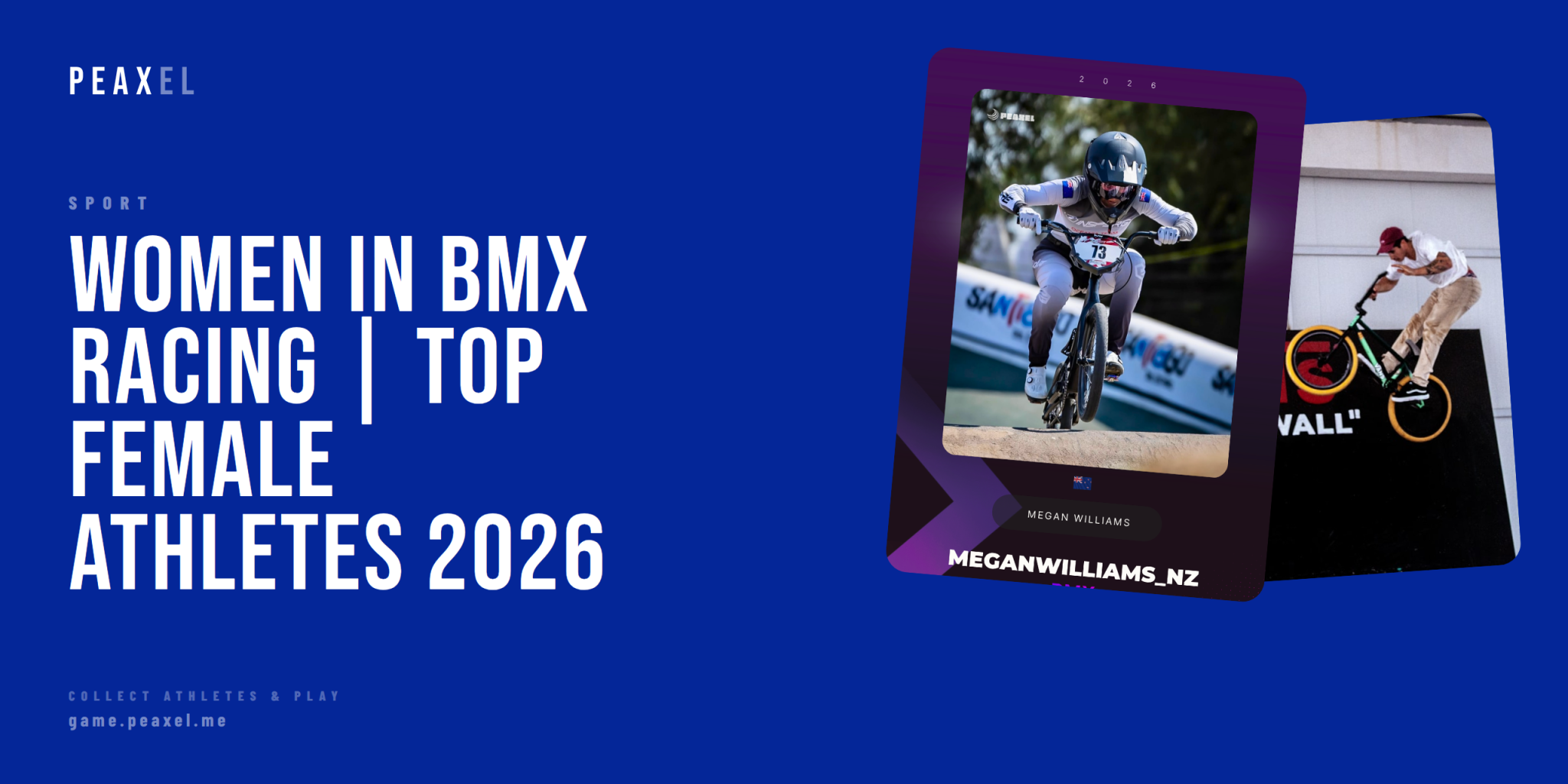
New Zealand’s Rising Force: Megan Williams
Few stories capture the current momentum of women’s BMX racing better than Megan Williams from Rotorua, New Zealand. Having progressed through age-group competition into the elite ranks, Williams now represents New Zealand at UCI BMX Racing World Cup and European Cup events. Her trajectory mirrors the global growth of women’s BMX—athletes developing through grassroots programs and emerging onto the world stage with polished skills and fierce competitive drive.
Williams has been selected for New Zealand’s elite championship BMX team for major international events, including the 2024 and 2025 UCI BMX Racing World Championships. Competing against riders from Australia, Europe, and beyond, she has earned her place among the elite women’s field through consistent international starts and national podium finishes.
What makes Williams particularly compelling is her dual role as competitor and community builder. Active on social media with significant engagement, she shares race footage, training updates, and behind-the-scenes content that inspires the next generation of female riders. You can follow her journey and add her to your fantasy roster on Peaxel.
Spanish Excellence: Adriana Dominguez Bernal
Spain has quietly become a force in women’s BMX racing, and Adriana Dominguez Bernal stands at the forefront of that movement. Introduced to BMX at age nine and influenced by her father’s background in the sport, Dominguez has spent over a decade refining her craft at the highest levels of international competition.
Her technical profile is impressive: explosive gate starts, strong control on rhythm sections, and the tactical awareness needed to navigate packed fields. At the BMX World Championships, Dominguez reached the semifinal stage, placing among the top competitors in her category and confirming her status as one of Spain’s leading young BMX racers.
Beyond her results, Dominguez contributes to the growth of women’s BMX through coaching initiatives and training camps that support female participation. Her experience racing between Spain and European circuits has given her exposure to diverse competition styles, making her one of the most well-rounded athletes in the U23 category. Track her performances on Peaxel.
France’s Multi-Discipline Talent: Ambre Beato
The French BMX pipeline has produced countless world champions, and Ambre Beato represents the next wave of talent emerging from that system. Specializing in both BMX Race and Pumptrack disciplines, Beato won national titles in both categories in 2025—a rare double that showcases her versatility and technical mastery.
Competing in U23 and women’s BMX categories, Beato races across France and Europe while gaining experience through European Cup entries. Her dedication is evident not just in her results but in how she navigates the challenges every elite athlete faces, including injuries sustained during training. That resilience defines the mindset required at the top level of BMX racing.
Beato’s progression through the French national circuit positions her for continued international growth. As she accumulates ranking points and race experience, she’s building toward the kind of breakthrough performances that have defined French women’s BMX for decades. Follow her development on Peaxel.
Why Women’s BMX Racing Matters Now
The growth of women’s BMX racing isn’t happening in isolation. Since BMX racing’s Olympic debut in 2008, and with continued exposure through Paris 2024 and the upcoming Los Angeles 2028 Games, the sport has attracted unprecedented investment in women’s programs worldwide. National federations are prioritizing female development pathways, and the results are visible in the depth of competition at every level.
What sets BMX racing apart from many other disciplines is its format. Races typically last under 40 seconds but require exceptional coordination, explosive power, and courage. Eight riders launch simultaneously from a starting gate, navigating jumps, berms, and rhythm sections at speeds exceeding 60 kilometers per hour. In that compressed window, tactical positioning, gate reaction times, and technical precision determine everything.
For women’s BMX specifically, the competitive gap between the top nations has narrowed dramatically. Where once a handful of countries dominated podiums, athletes from New Zealand, Spain, France, Colombia, and beyond now regularly compete for medals. This globalization of talent has elevated the overall standard and made every World Cup round genuinely unpredictable.
The Path Forward
The athletes profiled here represent different stages of the elite journey, but they share common traits: technical excellence, mental toughness, and unwavering commitment to their craft. They’ve all navigated the grassroots-to-elite pathway that defines BMX racing—local club races, regional championships, national selections, and finally, the pressure of international competition.
For fans looking to discover more athletes across BMX racing and dozens of other disciplines, Peaxel offers a comprehensive platform to follow, support, and engage with emerging talent. The full list of sports on Peaxel includes everything from BMX racing to freestyle disciplines, giving fans access to athletes they won’t find anywhere else.
Women’s BMX racing in 2026 is faster, deeper, and more exciting than ever before. The athletes leading that charge deserve recognition—and the attention of every fan who appreciates speed, skill, and fierce competition.