The Business Behind BMX Racing: More Than Just Fast Starts
BMX racing looks like pure adrenaline—eight riders exploding from a gate, battling through jumps and berms for 30 to 40 seconds of controlled chaos. But behind every elite racer lies a complex web of sponsorships, team contracts, and financial strategies that determine who can afford to compete at the highest level.
Since BMX racing joined the Olympic program in 2008, the sport has transformed from a grassroots pursuit into a structured professional discipline. The UCI BMX Racing World Cup circuit now spans multiple continents, and with that growth has come increased commercial interest. Understanding how sponsorship works in BMX racing reveals both the opportunities and challenges facing riders in 2026.
How BMX Racing Sponsorship Structures Work
Unlike major team sports where athletes receive salaries from clubs, BMX racing operates on an individual sponsorship model. Riders typically piece together support from multiple sources: bike manufacturers, component brands, protective gear companies, and energy drink sponsors.
The most significant contracts come from bike brands. Companies like Mongoose, Chase Bicycles, Supercross BMX, and Daylight produce race-specific BMX bikes, and securing a factory team position means free equipment, travel support, and sometimes a monthly stipend. Factory riders represent the brand at World Cup events, World Championships, and national competitions.
Below factory level, riders often receive “flow” sponsorships—discounted or free equipment without financial compensation. These arrangements help developing athletes reduce costs while building their competitive résumé. The pathway from flow rider to factory contract depends heavily on results at UCI-sanctioned events.
Energy Drinks and Lifestyle Brands
Red Bull and Monster Energy have become major players in BMX racing sponsorship. These companies seek athletes with both competitive results and strong personal brands. A rider’s social media presence, interview skills, and ability to create engaging content increasingly influence sponsorship decisions.
For elite riders, an energy drink contract can exceed the value of their bike sponsorship. These deals typically include appearance fees, content creation requirements, and access to brand events and media training. However, only a small fraction of professional BMX racers secure these high-value partnerships.
The Economics of Racing at World Cup Level
Competing on the UCI BMX Racing World Cup circuit requires significant financial investment. A season of international travel, entry fees, accommodation, and equipment maintenance can cost between €15,000 and €40,000 depending on the number of events attended and travel distances.
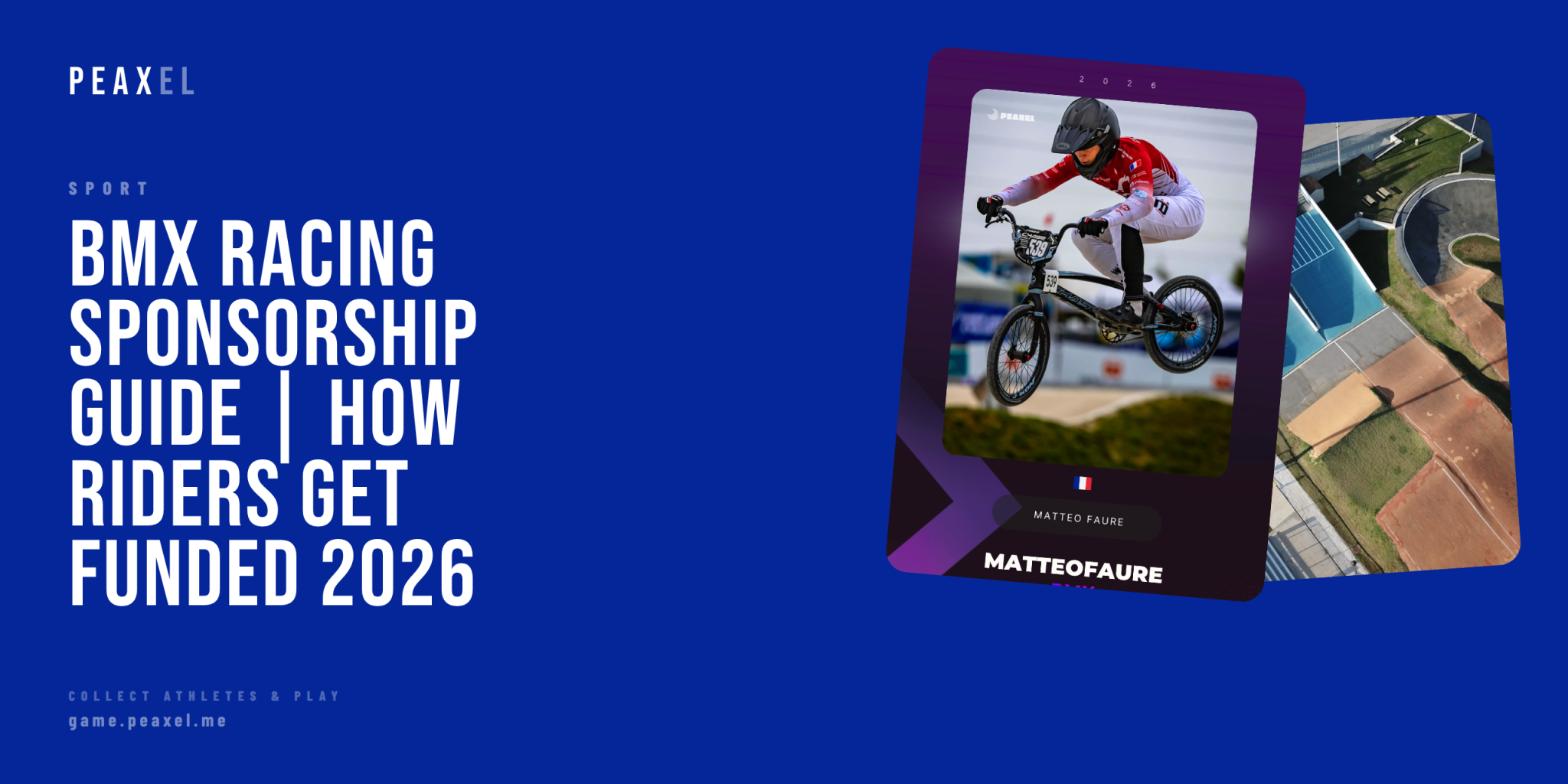
Riders like Matteo Faure, who secured a World Championship podium in the U23 category in 2025, represent the level of performance needed to attract serious sponsorship interest. His progression through the French federation system and consistent UEC European Cup results demonstrate the pathway that attracts team investment.
National federations play a crucial role in funding development. Countries with strong BMX racing programs—France, the Netherlands, Australia, the United States—often provide training center access, coaching, and competition travel support for their top-ranked riders.
Team Structures and Salary Ranges
Professional BMX racing teams vary significantly in structure. Some operate as extensions of bike manufacturers, while others function as independent entities with multiple sponsors. Team budgets range from €50,000 for regional development squads to over €500,000 for elite factory operations.
Rider compensation at the elite level spans a wide range. Top Olympic contenders may earn €100,000 to €200,000 annually from combined sponsorships. U23 riders on factory teams typically receive €20,000 to €50,000. Development riders often race for equipment-only deals while holding part-time jobs or pursuing education.
The Development Pipeline: Where Business Meets Talent
BMX racing’s business model creates specific pressures at the development level. Young riders must demonstrate results quickly to secure the sponsorships needed to continue competing. This dynamic shapes everything from training decisions to event selection.
British rider George Hunt, the 2024 British U23 National Champion, represents the investment required at the development stage. Racing with the Ice Bikes UK Factory Team, he competes across British National Series events and European UCI races—a schedule that demands both athletic excellence and financial backing.
Similarly, Megan Williams from New Zealand has built her career through national federation support and consistent international starts. Her progression to elite BMXNZ podiums and World Championship selection shows how smaller nations develop talent within limited budgets.
The Role of National Federations
Federations provide the infrastructure that private sponsorship cannot always cover. Training facilities, coaching staff, sports science support, and competition travel often come through national programs rather than commercial sponsors.
France’s approach illustrates this model. The French cycling federation operates BMX training centers and provides structured pathways from junior to elite competition. This public investment produces consistent World Championship performances and creates athletes who become attractive to commercial sponsors.
Digital Platforms and New Revenue Streams
The landscape of athlete funding is evolving beyond traditional sponsorship. Digital platforms now offer BMX racing athletes alternative ways to build their profiles and connect with supporters.
Social media has become essential for sponsorship acquisition. Brands evaluate not just race results but engagement metrics, content quality, and audience demographics. A rider with 50,000 engaged followers may attract better sponsorship terms than a higher-ranked competitor with minimal online presence.
Fantasy sports platforms like Peaxel represent another emerging element. By allowing fans to collect athlete cards and build teams featuring BMX racing athletes, these platforms create new visibility opportunities for riders across all competitive levels. The range of sports on Peaxel includes BMX racing alongside dozens of other disciplines.
Challenges in BMX Racing Economics
Despite Olympic status, BMX racing faces ongoing commercial challenges. Prize money at UCI events remains modest compared to road cycling or mountain biking. A World Cup victory might yield €1,000 to €2,000—significant for developing riders but insufficient to sustain a professional career alone.
The short race format also limits broadcast appeal. Sub-40-second finals create explosive entertainment but challenge traditional sports media models built around longer events. This affects the sport’s ability to attract major broadcast deals that could fund larger prize purses.
Equipment costs continue rising as technology advances. Carbon fiber frames, precision components, and specialized racing gear push budgets higher each season. Riders without strong sponsorship support struggle to access the same equipment as fully-funded competitors.
The Future of BMX Racing Business
Several trends suggest evolving commercial opportunities in BMX racing. The discipline’s inclusion in major multi-sport events—Olympics, World Games, continental championships—provides regular exposure peaks that attract sponsor attention.
Women’s BMX racing has seen particular growth in both competitive depth and sponsor interest. More brands now prioritize supporting female athletes, creating opportunities that barely existed a decade ago.
The development of indoor BMX facilities and entertainment-focused events like UCI BMX Supercross World Cup rounds offer new commercial models. These formats attract larger audiences and create better sponsor activation opportunities than traditional outdoor tracks.
For fans interested in supporting BMX racing athletes directly, platforms that connect supporters with riders represent a meaningful shift in how the sport’s economics might evolve. Following riders through their competitive journeys—and exploring options like athlete cards on Peaxel—offers one way to engage with the business side of this dynamic Olympic discipline.