What Is Downhill Skateboarding?
Downhill skateboarding is a gravity-powered discipline where riders descend steep roads on longboards at speeds that can exceed 60 mph. Unlike street or park skateboarding, downhill is about velocity, aerodynamics, and precision cornering. Riders adopt a tucked stance to minimize wind resistance while navigating hairpin turns and variable road surfaces.
The sport emerged from California’s hill-bombing culture in the 1970s but has evolved into a globally organized competitive scene. Today, events take place on closed mountain roads across Europe, North America, and South America, drawing thousands of spectators and dedicated fan communities.
The Two Main Disciplines
Downhill Racing
In racing, competitors start in heats of four riders and battle side-by-side down a course. Contact is common, and positioning into corners determines who advances. The format resembles ski cross or BMX racing—fast eliminations leading to finals. World championship races are sanctioned by the International Downhill Federation (IDF), which maintains global rankings and event standards.
Freeride and Sliding
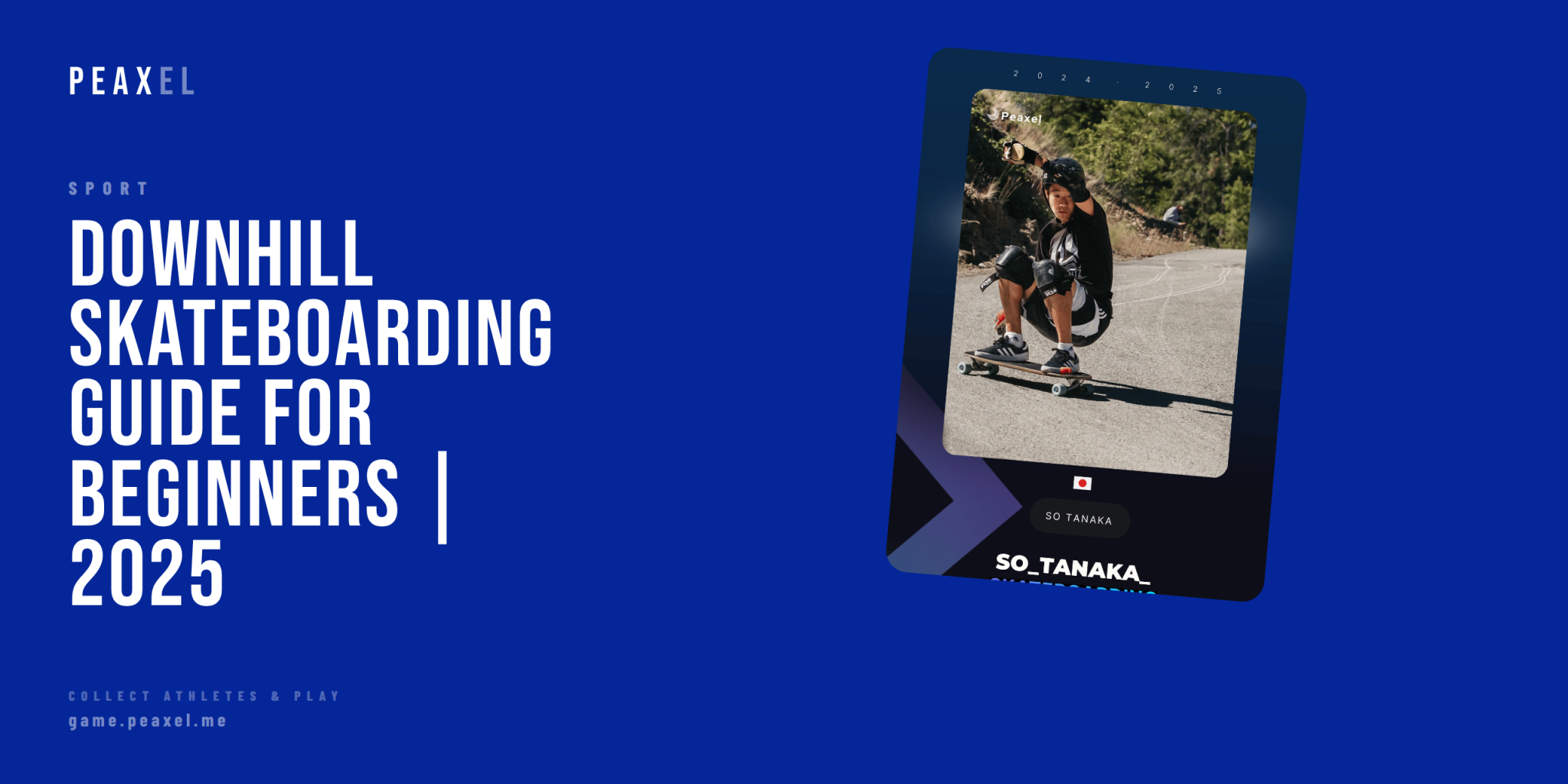
Freeride emphasizes style over pure speed. Riders perform stand-up slides, pendulum drifts, and technical maneuvers to control their descent on open roads. Judged events score creativity, difficulty, and flow. Freeriders like So Tanaka have built reputations for ambidextrous sliding and stylish line choices, often showcased in video parts rather than head-to-head competition.
Equipment Basics
Downhill boards are longer and stiffer than standard skateboards, typically 38 to 42 inches. Trucks are reverse-kingpin designs that provide stability at speed. Wheels are large and soft, offering grip through corners. Riders wear full-face helmets, leather suits, and slide gloves with pucks for hand-down braking.
Understanding gear helps new fans appreciate why certain riders excel. A stiffer deck suits straight-line speed; a more flexible setup allows tighter slides. Equipment sponsors like Landyachtz, Prism, and Loaded shape the sport’s technical evolution.
Key Events to Follow
The IDF World Championships rotate locations annually, with recent editions held in Colombia and Spain. Maryhill Festival of Speed in Washington State is a legendary grassroots gathering. European rounds in Austria, France, and Italy draw elite fields. Fans can stream races through IDF channels and independent media crews who embed on courses.
How Scoring and Rankings Work
Racing results contribute points to IDF world rankings. Higher-tier events offer more points. Riders accumulate standings across a season, and the top-ranked competitor at year’s end claims the world title. Freeride events use judged scoring similar to action sports—panels evaluate difficulty, execution, and style.
Why Fans Love Downhill Skateboarding
The sport combines raw speed with technical mastery. Watching a pack of riders draft through a corner at 50 mph creates genuine tension. The global community is tight-knit, and events often feature open sessions where amateurs ride the same courses as pros. That accessibility makes downhill uniquely approachable for new enthusiasts.
Following the Sport Online
IDF social channels post heat results and highlights. Rider vlogs offer behind-the-scenes perspectives. Peaxel features downhill skateboarding among its supported sports, letting fans collect athlete cards, build teams, and engage as virtual managers. You can explore So Tanaka’s profile to see how fantasy sports integrates with the discipline.
Getting Started as a Fan
Begin by watching full race replays to understand pack dynamics. Follow a few riders across social platforms to learn their styles. Check IDF calendars for upcoming events and set reminders for live streams. Within a season, you’ll recognize names, rivalries, and the hills that define the sport’s identity.