What Is Adaptive Wakeboarding?
Adaptive wakeboarding opens the door to cable parks and open water for athletes with physical disabilities. Governed by the International Waterski & Wakeboard Federation (IWWF), the sport includes seated and standing categories designed around each rider’s abilities. Seated wakeboard athletes ride specially designed sit-ski boards, using upper body strength and balance to carve, jump, and perform tricks behind a cable system or boat.
The discipline has grown rapidly since its formal inclusion in IWWF world championships. Events like the 2024 World Cable Wakeboard & Wakeskate Championships in Seseña, Spain featured dedicated adaptive divisions, drawing competitors from across Europe, the Americas, and beyond.
The Culture Driving Adaptive Wakeboarding
At its core, adaptive wakeboarding is built on community. Cable parks around the world have become hubs for inclusion, hosting clinics, adaptive sessions, and competitions that welcome riders of all abilities. The culture prioritizes accessibility—lowering barriers so that anyone with a passion for water sports can participate.
Social media plays a major role in connecting this global network. Athletes share their sessions, adaptations, and victories, inspiring others to try the sport. The message is consistent: disability does not define capability.
Advocacy and Visibility
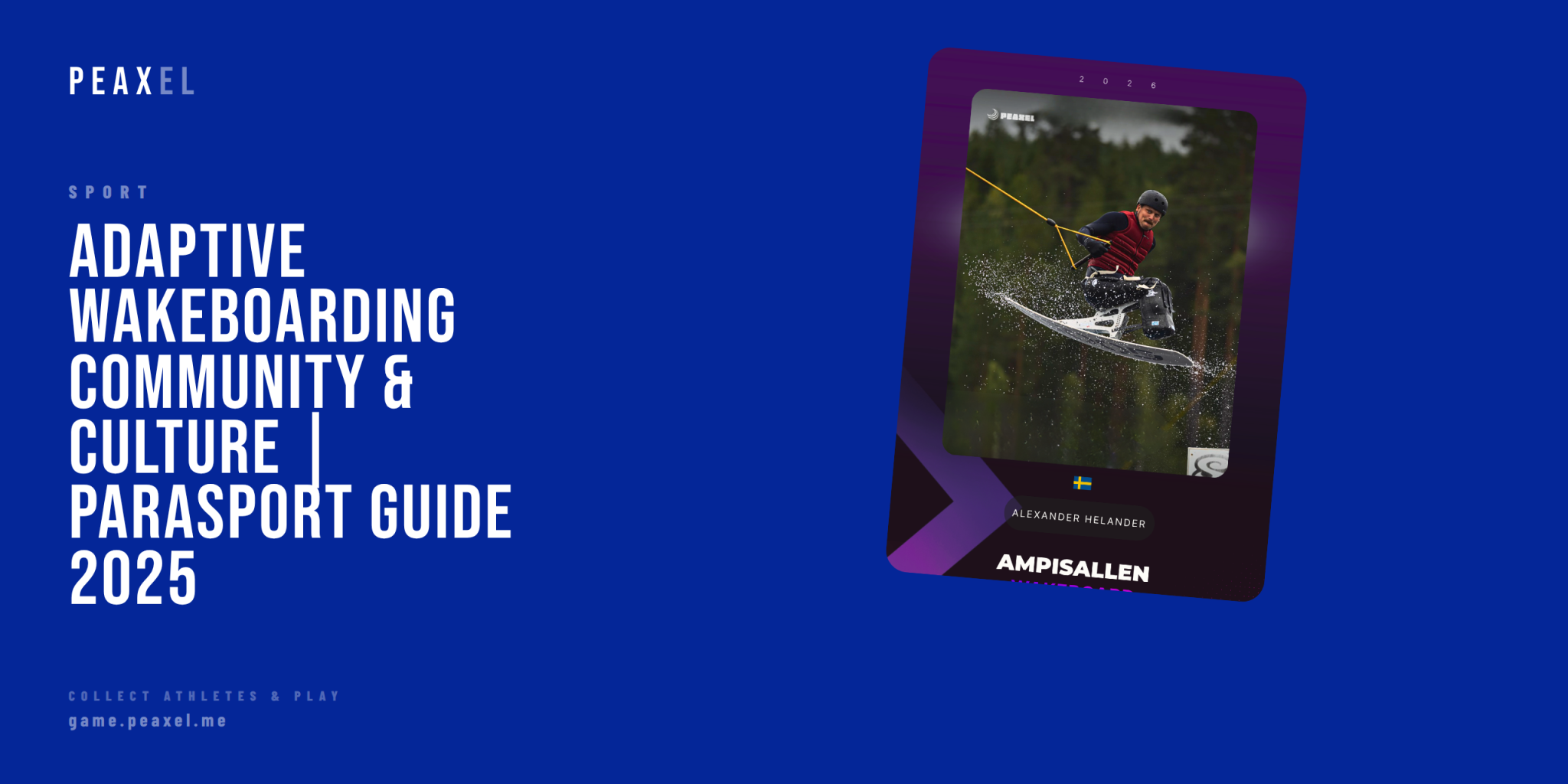
Athletes like Alexander Helander of Sweden exemplify this spirit. Competing in the seated wakeboard category, Helander has represented his country at European and World championships. Off the water, he uses his platform to advocate for active lifestyles and parasport accessibility, encouraging others to explore adaptive sports.
You can follow Alexander’s journey and add him to your fantasy roster on Peaxel.
How Adaptive Wakeboarding Works
Adaptive wakeboard competitions are divided by category—seated, standing, and sometimes visually impaired divisions. Judging criteria mirror able-bodied events: execution, style, difficulty, and variety of tricks. Riders are scored on their runs, with the best performances advancing through heats to finals.
Equipment is key. Seated riders use boards with integrated bucket seats and bindings, allowing full control without lower-body function. Handles, ropes, and cable park features are adapted as needed to ensure safety and fair competition.
Where to Watch and Compete
The IWWF calendar includes adaptive divisions at major cable wakeboard events. National championships in countries like Spain, the UK, and the United States also feature adaptive categories. Many cable parks offer regular adaptive sessions, making it easier than ever to get involved.
Why Adaptive Wakeboarding Matters
Parasport disciplines like adaptive wakeboarding challenge outdated perceptions of disability and sport. They showcase athleticism, creativity, and resilience on the world stage. For fans, following adaptive athletes offers a window into a community that values inclusion above all else.
Platforms like Peaxel now feature adaptive athletes across multiple sports, allowing fans to discover, follow, and support these competitors. Explore the full roster of sports available on Peaxel’s sport directory.
The Future of Adaptive Wakeboarding
Interest in adaptive water sports continues to grow. More cable parks are investing in accessible infrastructure. More national federations are adding adaptive categories. And more athletes are stepping up to represent their countries at the highest level.
For those curious about the sport—or looking to discover inspiring athletes to follow—adaptive wakeboarding offers a compelling story of community, competition, and inclusion.