The Foundation of Freeride Skiing: Where Big Mountain Dreams Begin
Every athlete who drops into a Freeride World Tour venue started somewhere far from the cameras and helicopters. They started on local mountains, hiking for their lines, learning to read snow and terrain in conditions that would terrify most recreational skiers. The grassroots level of freeride skiing is where the sport’s soul lives—raw, community-driven, and intensely competitive in ways that rarely make headlines.
Freeride skiing at its core is about descending unmarked, unjudged terrain with style and control. But competitive freeride has built an entire ecosystem designed to identify and develop athletes who can handle the sport’s ultimate proving grounds. Understanding this system reveals how the sport sustains itself and why certain regions produce disproportionate numbers of elite riders.
The Freeride World Qualifier System: A Ladder to the Elite
The Freeride World Qualifier (FWQ) operates as the official development pathway to the Freeride World Tour. In 2026, over 70 FWQ events span four continents, each assigned a star rating from 1-star to 4-star based on terrain difficulty, prize purse, and competitive depth. Points accumulated across these events determine who earns the right to compete at the sport’s highest level.
A 1-star event might feature 30 competitors on a local mountain with a 200-meter vertical drop and accessible terrain. A 4-star event draws over 100 athletes to venues with alpine exposure, mandatory cliffs, and faces that demand precise snow assessment. The progression between these levels is steep—both literally and competitively.
Athletes typically spend three to five years working through the FWQ circuit before earning FWT qualification. The top finishers in the overall FWQ rankings each season receive invitations to compete on the main tour, while others must return to the qualifier circuit and try again. This creates intense competition even at regional events, where every run carries ranking implications.
Regional Hotspots: Where Freeride Culture Thrives
The European Alps: Depth and Tradition
The Alps remain the heartland of competitive freeride skiing. Austria, Switzerland, and France host the majority of high-star FWQ events, with venues like Kappl, Nendaz, and Chamonix serving as proving grounds for emerging talent. The density of events allows European athletes to compete frequently without extensive travel, creating a deep talent pool.
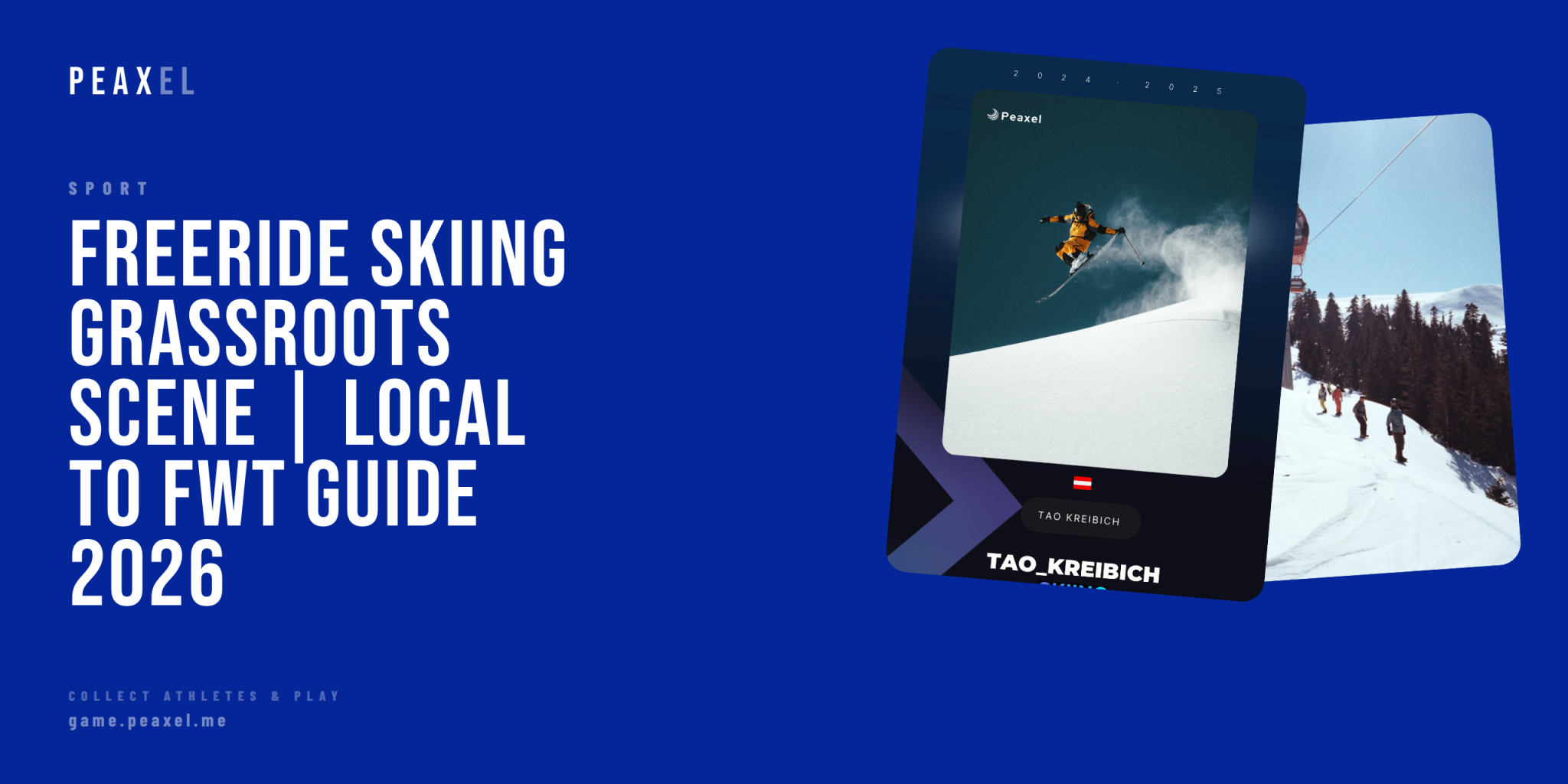
Austrian freerider Tao Kreibich exemplifies the pathway from grassroots to elite competition. Based in Innsbruck, he built his career through FWQ victories including Engadin Snow before earning FWT starts. His YouTube channel documents the reality of this progression—the hiking, the waiting for conditions, the calculated risk-taking that defines competitive freeride. Athletes like Kreibich show that sustained regional success translates to world tour readiness.
Scandinavia: The Rising North
Norway and Sweden have emerged as significant freeride nations over the past decade. Events in Røldal, Riksgränsen, and Lofoten attract international fields, while local athletes benefit from consistent snow conditions and a culture that celebrates backcountry skiing. The Scandinavian scene emphasizes technical skiing on variable snow—a skill that transfers directly to FWT competition.
North America: Big Mountains, Growing Infrastructure
The United States and Canada offer terrain that rivals anywhere on earth, but competitive freeride infrastructure has developed more recently. Events at venues like Crystal Mountain, Kicking Horse, and Crested Butte provide North American athletes with home soil competition, though many still travel to Europe to accumulate points on higher-star events.
Alaska remains the spiritual home of big mountain skiing, though its role in competitive freeride is limited by logistics. The terrain that made films like those from Teton Gravity Research legendary is often too remote and avalanche-prone for structured competition.
Japan: Technical Excellence in Deep Snow
Japanese freeride has carved a distinct identity centered on powder skiing and technical terrain navigation. Events in Hakuba and Niseko draw international competitors seeking deep snow and steep terrain. Japanese athletes have increasingly appeared on the FWT, bringing a style influenced by the country’s unique snow conditions and tight tree skiing.
The Grassroots Experience: What Competition Actually Looks Like
Competing at a 1-star or 2-star FWQ event bears little resemblance to watching the FWT on broadcast. Athletes often hike to the start gate—sometimes for over an hour through deep snow. Prize money is minimal or nonexistent at lower-tier events. Judging panels are smaller, and venues may feature terrain that tests creativity more than exposure.
Yet these events serve essential functions. They teach athletes how to perform under competitive pressure, how to manage their mental state during long waits at the start, and how to analyze terrain during limited inspection windows. The skills developed here—reading snow stability, identifying features, executing under stress—are identical to those required at the sport’s highest level.
Community plays a central role at grassroots events. Competitors share beta about conditions, celebrate each other’s runs, and often travel together between venues. This culture persists even as stakes increase, distinguishing freeride from more individualistic action sports. The athlete who helps a rival understand a tricky entrance today might be battling them for qualification points tomorrow.
Development Pathways: From First Tracks to First Starts
Aspiring freeride competitors typically emerge from one of three backgrounds: alpine racing, freestyle skiing, or backcountry touring. Each brings different strengths—racers contribute edge control and speed management, freestylers add aerial awareness and trick capability, and touring skiers understand mountain safety and snow science.
The most successful athletes synthesize all three skill sets. A typical development pathway involves several seasons of 1-star and 2-star competition to learn the format, followed by targeted attempts at 3-star and 4-star events where ranking points multiply. Athletes who podium consistently at 3-star events can accumulate enough points for FWT qualification within two to three focused seasons.
Coaching infrastructure in freeride skiing has expanded significantly. Organizations now offer camps focused specifically on competition preparation, covering everything from line selection to video analysis of judging criteria. These programs accelerate development for athletes who can access them, though self-taught competitors still regularly break through based on raw talent and mountain time.
The Economics of Grassroots Freeride
Competing on the FWQ circuit requires significant financial investment with limited return. Entry fees, travel costs, equipment, and avalanche safety gear create barriers that shape who can pursue the sport seriously. Most grassroots competitors fund their seasons through seasonal work—ski instruction, guiding, hospitality—that keeps them in mountain environments while allowing competition flexibility.
Sponsorship at the grassroots level typically means discounted equipment rather than financial support. Brands identify promising athletes early and provide gear in exchange for visibility, but salary-level support rarely arrives until athletes reach the FWT or demonstrate exceptional media value through content creation.
This economic reality influences the sport’s demographics. Athletes from families with existing mountain connections—ski industry professionals, resort communities, alpine regions—access the lifestyle more easily than those who must build infrastructure from scratch. Efforts to broaden participation face this structural challenge alongside the sport’s inherent geographic limitations.
What Grassroots Freeride Teaches About the Sport
The health of any action sport depends on its grassroots. Freeride skiing’s FWQ system creates a legible pathway that attracts new competitors while maintaining quality at the elite level. Regional scenes in the Alps, Scandinavia, and beyond sustain communities that keep the sport vibrant between major broadcasts.
For fans, understanding the grassroots level adds depth to watching FWT competition. Every athlete on the start list earned their position through years of regional events, hiking for lines, and learning mountain craft in conditions far from glamorous. That context makes their elite performances more meaningful.
Platforms like Peaxel are connecting fans with athletes across this development spectrum, from grassroots competitors building their careers to established tour riders. The sport’s future depends on both—elite competition to inspire, grassroots scenes to develop the next generation of big mountain athletes.