
At Peaxel, we don’t follow the mainstream. We study it — and then we find what it’s missing.
The world’s most popular sports are not just entertainment ecosystems. They are talent pipelines, cultural movements, and untapped arenas where millions of athletes train in obscurity while billions of fans watch only the top 1%. In 2026, that gap is closing. And the Athlete Economy is the mechanism closing it.
Here’s how the 10 most popular sports by global fanbase and participation map onto Peaxel’s vision — and why each one represents a unique opportunity for fans who want to do more than watch.
1. Football (Soccer) — 3.5+ Billion Fans
Football is not a sport. It is the world’s largest shared language.
From the favelas of São Paulo to the academies of Catalonia, football produces more raw talent per square kilometer than any other discipline on earth. The majority of that talent never makes it past regional leagues. The stories never get told. The fans never get the chance to back them.
Peaxel POV 2026: The football opportunity is not at the top — it’s in the infrastructure below it. The under-23 striker in Senegal. The goalkeeper in Vietnam. The winger in Northern Ireland who posts training clips at midnight. Peaxel’s mechanics are built to surface these athletes before the scouts arrive — and let fans claim a stake in their journey from day one.
In 2026, football’s digital ecosystem is more saturated than ever with simulation games and legacy franchises. What it still lacks is a direct, merit-based bridge between real performance and fan reward. That’s the gap Peaxel is designed to fill.
2. Cricket — 2.5+ Billion Fans
Cricket is the sport that turns local heroes into national gods overnight.
India, Pakistan, Australia, England, the Caribbean — each market carries a cricket culture so deep that a single innings can define a career. In 2026, the T20 format has accelerated the sport’s global expansion further, bringing cricket to new markets across the USA, Canada, and Central Africa.
Peaxel POV 2026: Cricket’s storytelling engine is already elite. What it lacks is a fan participation layer that scales beyond fantasy league points. Peaxel’s Athlete Economy model lets fans back emerging cricket talent — the next Babar, the next Bumrah — at the qualifier stage, not after the IPL contract. The data richness of cricket (balls faced, economy rates, strike rates) makes it one of the most compelling disciplines for Peaxel’s performance-based scoring architecture.
3. Basketball — 2.4 Billion Fans
Basketball in 2026 is the most narrative-driven sport on the planet.
The NBA’s global expansion, combined with the explosion of European leagues, African basketball development programs, and social-media-native athletes, has created an ecosystem where a player’s story travels faster than their stats. Basketball is the sport where personality is as much of the product as performance.
Peaxel POV 2026: Every Peaxel basketball card is an origin story. Fast, shareable, built for the scroll. The athlete who dropped 40 in a Eurocup qualifier this week will be on the Peaxel Arena before the highlight reel stops looping. In 2026, basketball fans don’t just want to watch — they want to be part of the rise. Peaxel is that infrastructure.
4. Hockey (Field + Ice) — 2 Billion Fans
Hockey fans are the most loyal in sport. Full stop.
Whether it’s the NHL, the KHL, or field hockey’s Olympic circuit, the hockey community operates on a bedrock of club identity, national pride, and generational loyalty. In 2026, women’s hockey is experiencing its most significant growth era — and the athlete stories emerging from that growth are some of the most compelling in all of sport.
Peaxel POV 2026: Hockey’s collectible culture already exists in card form — Peaxel’s opportunity is to make those cards performance-live and globally accessible. Regional rivalries, national team dynamics, and the raw physical intensity of the sport translate naturally into the Arena’s Gameweek format. A defenseman’s blocked shot in a Kontinental League quarterfinal should move markets. In 2026 on Peaxel, it does.
5. Tennis — 1+ Billion Fans
Tennis is pure narrative arc.
Every match is a five-act story: the opening tactical chess, the momentum shift, the break point, the comeback, the final game under pressure. In 2026, the post-Big Three era has created the most open men’s circuit in two decades — and the women’s game is producing champions from more countries than at any point in history.
Peaxel POV 2026: Tennis rewards precision scouting. The player who wins a Challenger event in Casablanca this week may be seeded at Roland Garros in eighteen months. Peaxel is built for that timeline — letting managers track momentum across the full career arc, not just the Grand Slam weeks. In the Athlete Economy, a first-round Challenger win is not irrelevant data. It is the earliest signal.
6. Volleyball — ~900 Million Fans
Volleyball is the sport that built community before community was a marketing strategy.
Beach volleyball, indoor volleyball, sitting volleyball — the discipline’s variants reach across demographics and geographies with unusual consistency. In 2026, the sport’s Olympic profile continues to grow, and the South American and Eastern European circuits remain talent-dense environments producing world-class athletes who remain largely invisible to global audiences.
Peaxel POV 2026: Volleyball’s team dynamics and rotation-based performance create a natural fit for squad-building mechanics. The libero who holds a rally together. The setter who reads the play two touches ahead. These are the performance signals that Peaxel’s scoring architecture is designed to capture and reward — turning team chemistry into individual athlete value in the Arena.
7. Table Tennis — ~850 Million Fans
Table tennis is the most underestimated sport on this list.
In terms of sheer participation numbers, table tennis rivals basketball globally. The sport’s Asian dominance masks a genuinely diverse competitive landscape in 2026, with European and African players increasingly breaking through at the World Tour level. The reflexes, decision-making speed, and tactical intelligence required at elite level are comparable to any Olympic discipline.
Peaxel POV 2026: Table tennis represents Peaxel’s core mission in concentrated form — an elite sport with extraordinary athletes who remain invisible to global sports gaming platforms. The 18-year-old ranked 45th in the world who trains six hours a day in a gymnasium in Budapest deserves a card. A fanbase. A stake in their journey. That’s the Athlete Economy at work.
8. Baseball — ~500 Million Fans
Baseball is the sport that invented data-driven performance analysis.
In 2026, the Moneyball era has fully matured — but its principles have migrated beyond the MLB into the Dominican leagues, the Japanese NPB, the Korean KBO, and the rapidly developing Cuban diaspora circuit. Baseball’s statistical depth is unmatched in sport, and its career arc model — prospect to major leaguer — is one of the most compelling progression narratives in all of athletics.
Peaxel POV 2026: Baseball is built for Peaxel’s card upgrade mechanics. The prospect who posts a 1.8 ERA in Triple-A this April is not the same card as the player who closes out a postseason game in October. Performance evolves. Cards should evolve with them. In 2026, Peaxel’s dynamic card architecture makes that progression real, collectible, and rewarding for the managers who spotted the trajectory early.
9. Rugby — ~475 Million Fans
Rugby in 2026 is in its most globally expansive moment since the sport turned professional.
The Rugby World Cup cycle, the growth of Sevens on the Olympic circuit, and the emergence of professional leagues across the Americas and Asia have created a sport that is simultaneously ancient in identity and rapidly modern in reach. Rugby athletes are among the most physically complete in sport — and among the most underrepresented in digital fan engagement platforms.
Peaxel POV 2026: Rugby’s character density is extraordinary. The prop who has played 200 club matches without an international cap. The Sevens specialist from Fiji who is one performance away from a full contract. Peaxel’s Arena is designed for these athletes — the ones whose grit is undeniable but whose visibility is limited. In 2026, regional tournament performance on Peaxel is not a footnote. It is the game.
10. Golf — ~450 Million Fans
Golf is the slow-burn masterclass in athletic storytelling.
In 2026, the sport’s landscape has been permanently reshaped by the LIV-PGA dynamics, creating a fracture that has, paradoxically, opened space for new narratives. The Challenge Tour. The Asian Tour. The amateur-to-professional transition. Golf has more compelling origin stories right now than at any point in recent history — and almost none of them are being told at scale.
Peaxel POV 2026: Golf is the perfect discipline for Peaxel’s legacy card format. Career phases, tournament momentum, course-specific performance — golf rewards patience and precision in both the athlete and the manager. The player who finishes T12 at the Qualifying School this November is building a card that will mean something different by August. In the Athlete Economy, that journey is the asset.
Why This Matters More in 2026
Most sports games in 2026 are doing the same thing they did in 2016 — licensing the biggest names, simulating the biggest leagues, and leaving 99% of the world’s athletic talent invisible.
Peaxel is built on a different premise entirely:
- We don’t simulate matches. We track real performance.
- We don’t license stars. We surface emerging talent.
- We don’t reward luck. We reward scouting, timing, and merit.
The 10 most popular sports in the world are not the ceiling of the Athlete Economy. They are the map. And the most valuable territory on that map is the space between where athletes currently are and where they are going.
That space is the Peaxel Arena.
What’s Next in 2026
Peaxel is expanding its athlete roster across all 10 disciplines on this list — from football academies in West Africa to golf qualifiers in Southeast Asia to basketball development leagues across Europe.
Every Gameweek, new athletes enter the Arena. Every Gameweek, real-world performance determines who rises and who falls.
The world will keep watching the stars.
Peaxel will help you find them before the world does.
👉 Join the Arena for free: game.peaxel.me
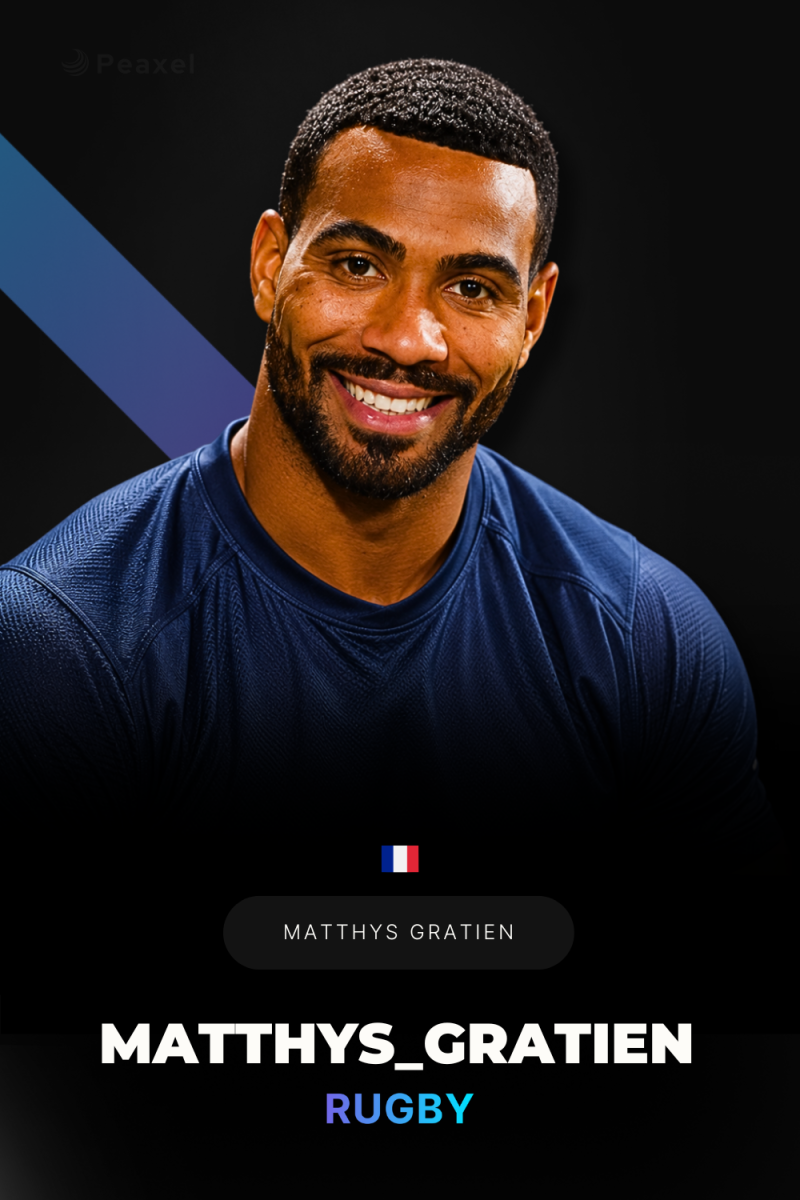
Matthys Gratien, born February 15, 1999, in Bondy, France, is a professional rugby union player competing as a winger. Standing 1.72m and weighing 86kg, he
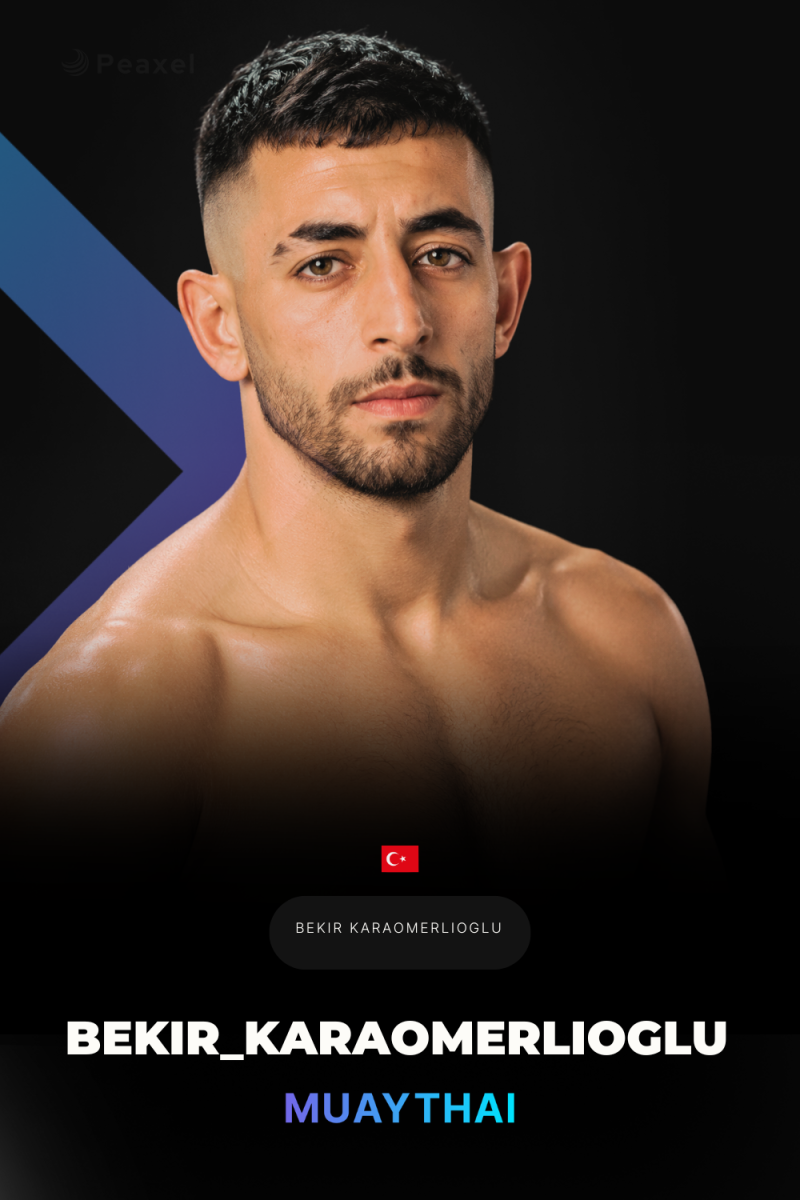
Bekir Karaömerlioğlu is a Turkish Muay Thai athlete and member of the Turkish national military sports team, with ties to both Samsun and Adana. He
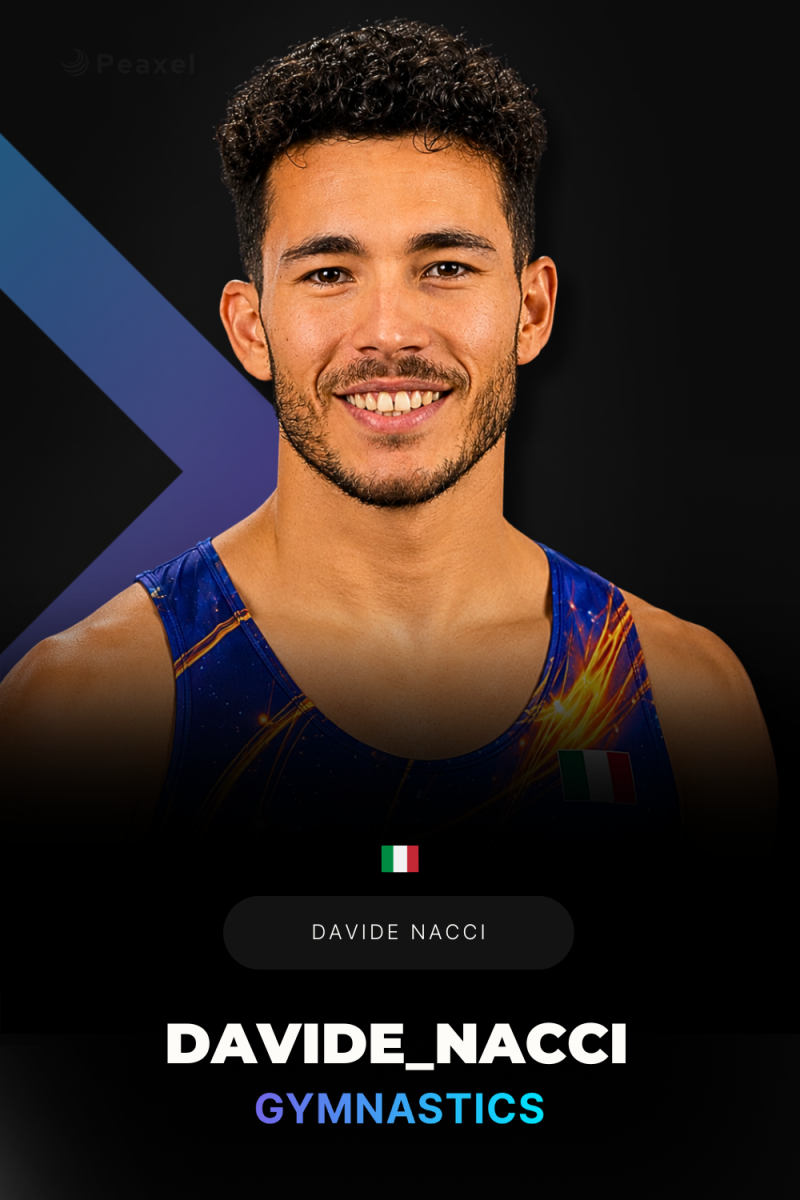
Davide Nacci, born in 2000 in Ostuni, in the Puglia region of Italy, is one of the leading aerobic gymnasts in the world and a
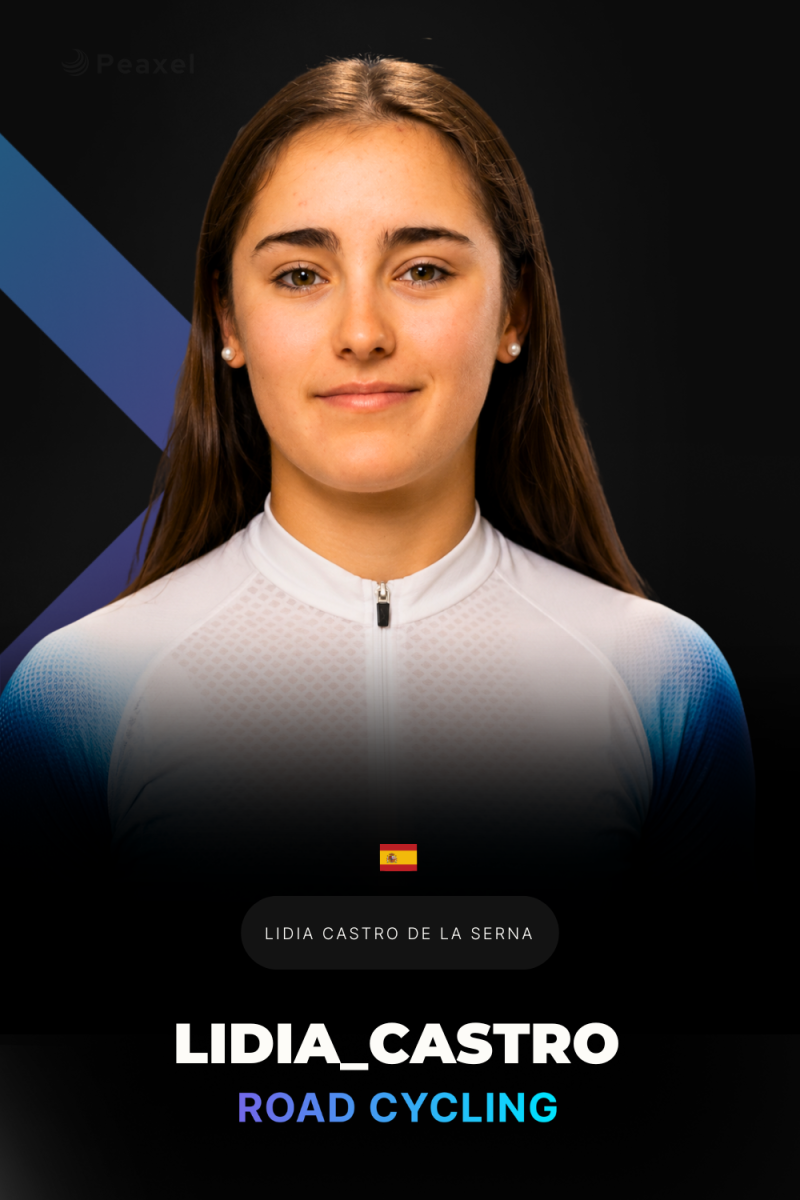
Lidia Castro de la Serna, born February 21, 2008, in Valladolid, Spain, is one of the most exciting young road cyclists in Europe. She grew