
The Question Every Sports Fan Should Be Asking
Here is a fact that almost nobody talks about.
There are approximately 8,000 professional athletes competing at the elite level across the world’s major sports at any given moment. They are the ones with the contracts, the sponsorships, the broadcast deals, the card games, the fantasy leagues, the merchandise, the global fanbases.
And then there are the other 440 million people who participate in organized sport globally — training, competing, sacrificing, grinding — with almost no financial infrastructure supporting them whatsoever.
The gap between those two groups is not a talent gap.
It is an infrastructure gap.
The Athlete Economy is the movement building the bridge.
Defining the Athlete Economy
The Athlete Economy is a framework — and increasingly, a real operating system — in which athletic performance at any level generates economic value for the athlete who produces it.
It is built on a simple but radical premise: if a fan is willing to pay attention to an athlete, that attention has value. And if that value can be captured, structured, and distributed fairly, then the athletes who generate it should share in it — not just the platforms, leagues, and broadcasters who currently extract it.
In practice, the Athlete Economy operates across several interconnected layers:
Performance Layer — Real-world athletic output (competition results, training metrics, social influence, event participation) is tracked and quantified.
Value Layer — That performance data is converted into a form of economic signal — a card, a token, a score, a ranking — that fans can engage with.
Engagement Layer — Fans participate by managing, collecting, predicting, or supporting athletes. Their engagement generates revenue within the platform ecosystem.
Distribution Layer — A portion of that revenue flows back to the athletes themselves, creating a direct economic bridge between fan attention and athlete income.
This is not simulation. This is not fantasy. This is a live economic model built on the foundation of real performance.
Why the Athlete Economy Matters More in 2026 Than Ever Before
Three forces have converged in 2026 to make the Athlete Economy not just viable but urgent.
1. The Creator Economy Proved the Model
Between 2018 and 2024, the creator economy demonstrated at scale that individuals — not institutions — could build sustainable economic ecosystems around their personal output. A YouTuber with 200,000 subscribers earns more than most professional athletes in niche sports. A TikTok creator with genuine community engagement generates brand revenue that rivals mid-tier sports sponsorships.
Athletes watched this happen. And they asked the obvious question: if a person making cooking videos can monetize their audience directly, why can’t a world-class freeride skier do the same?
The Athlete Economy is the answer to that question — applied specifically to sport, performance, and competitive merit.
2. The Sponsorship Model Is Broken for 99% of Athletes
Traditional sports sponsorship follows a simple rule: visibility drives value. The more eyeballs on an athlete, the more a brand will pay to be associated with them.
This model works extraordinarily well for the top 1% of athletes in mainstream sports. It is almost completely useless for everyone else.
A karate world champion competing outside the Olympic cycle. A freeride skier posting top-five finishes on the Qualifier circuit. A parkour athlete with 80,000 engaged Instagram followers. A BMX rider who is technically one of the fifty best in the world at their discipline.
These athletes exist in a sponsorship dead zone — too elite to have a day job, not famous enough to command the deals that would replace it.
The Athlete Economy restructures this entirely. Instead of relying on brand sponsorship as the primary revenue mechanism, it creates a direct fan-to-athlete economic relationship that scales with genuine community engagement rather than mass media exposure.
3. Technology Has Finally Caught Up With the Vision
The infrastructure required to run the Athlete Economy at scale — real-time performance data aggregation, global payment rails, dynamic digital asset management, multilingual platform architecture — simply did not exist at an accessible price point a decade ago.
In 2026, it does.
Platforms can now track an athlete’s real-world performance across social channels, competition results, and community engagement simultaneously. They can convert that data into dynamic economic signals in real time. They can distribute value globally across dozens of currencies and payment systems instantly.
The vision is not ahead of the technology anymore. The technology is ready. The question is which platforms are building the right model on top of it.
The Old Sports Economy vs. The Athlete Economy
To understand what the Athlete Economy is, it helps to understand precisely what it is replacing.
The Old Model
The traditional sports economy runs on a broadcast-sponsorship-licensing triangle.
Leagues sell broadcast rights to media companies. Media companies sell advertising to brands. Brands pay leagues and top athletes for association with their audience. Licensing deals create merchandise revenue. Fantasy sports platforms license athlete names and stats to create engagement products — and keep the majority of the revenue generated.
Athletes at the top of this pyramid earn extraordinarily well. Athletes outside the top tier earn almost nothing from the ecosystem their performance sustains.
Fans, meanwhile, engage deeply — spending money on subscriptions, merchandise, fantasy platforms, and tickets — but have no direct relationship with the athletes whose performance generates all of that value.
The Athlete Economy Model
The Athlete Economy inverts several of these dynamics simultaneously.
- Athletes at every level of competition can generate economic value from their performance — not just the ones with broadcast deals.
- Fans develop direct relationships with athletes — backing them, managing them, following their real-world trajectory — rather than passively consuming content about them.
- Revenue flows back to athletes as a structural feature of the platform, not as an afterthought or charitable gesture.
- Performance at the local and regional level is captured and rewarded, not ignored until an athlete reaches a threshold of mainstream visibility.
- Merit, not marketing budget or broadcast exposure, determines which athletes rise within the ecosystem.
What Does the Athlete Economy Look Like in Practice?
In 2026, the Athlete Economy is not a theoretical framework. It is a live operating system with real athletes, real fans, and real economic flows.
Here is what it looks like on the ground.
Athlete Cards
Digital athlete cards are the primary unit of the Athlete Economy. Each card represents a real athlete — their identity, their discipline, their performance history, and their current momentum.
Cards are not static. They evolve with the athlete’s real-world performance. A card held during a breakthrough season reflects that breakthrough. A card held during an injury layoff reflects that too. The economic value of the card is tied directly to the athletic value of the person it represents.
Gameweeks
The Athlete Economy operates on competitive cycles — Gameweeks — during which fans assemble rosters of athlete cards and compete based on their athletes’ real-world performance across that period.
This is not simulation. There is no virtual match being played. The points scored by a manager in a Gameweek are determined entirely by what their athletes actually did in the real world during that window — competition results, social performance, event participation.
Performance Scoring
Every athlete on the platform generates a performance score each Gameweek based on real data inputs. A squash player winning a PSA Gold event. A freeride skier posting a top-five qualifier result. A parkour athlete releasing a viral training video. A BMX rider competing at a 4-star event.
All of these are signals. All of them move scores. All of them reward the managers — and ultimately the athletes — who produce them.
Revenue Share
The structural feature that distinguishes the Athlete Economy from traditional sports gaming is the direct revenue share with athletes.
Athletes on the platform receive a portion of the economic activity their cards generate. When fans engage with an athlete’s card — acquiring it, competing with it, building rosters around it — a percentage of that value flows back to the athlete directly.
No exclusivity required. No percentage of future earnings surrendered. No agent negotiation. A clean, transparent, merit-based economic relationship between athlete and platform.
Which Athletes Benefit Most From the Athlete Economy?
The honest answer is: the ones the traditional sports economy ignores.
The Athlete Economy is not designed to compete with the infrastructure already serving LeBron James or Cristiano Ronaldo. Those athletes have more economic infrastructure than they can use.
The Athlete Economy is designed for:
Action sports athletes — freeride skiers, BMX riders, mountain bikers, skydivers, parkour athletes, wingsuit flyers — who compete at elite level in disciplines that receive almost no mainstream broadcast coverage and therefore almost no sponsorship revenue despite world-class performance levels.
Martial arts and combat sports athletes outside the UFC and boxing’s major promotions — karate practitioners, taekwondo competitors, Muay Thai fighters, wrestlers — who may be national or continental champions but earn almost nothing from their sport.
Niche Olympic disciplines — trampoline, artistic roller skating, aerial gymnastics, footvolley, arm wrestling — where Olympic qualification represents the peak of global achievement but generates almost no ongoing economic return for the athletes who reach it.
Emerging athletes in growing markets — the surfer in Morocco, the MTB rider in Colombia, the parkour practitioner in Lebanon, the kiteboarding champion in the Philippines — who have genuine world-class talent but no access to the sponsorship infrastructure concentrated in Western European and North American markets.
Athletes in the pre-peak phase — the ones who are on a clear trajectory toward elite status but haven’t yet crossed the visibility threshold that triggers traditional sponsorship interest. These are the athletes whose cards have the most upside. These are the athletes the Athlete Economy was built to surface.
The Role of Fans in the Athlete Economy
The Athlete Economy does not work without fans. But it redefines what being a fan means.
In the traditional sports economy, being a fan is a consumption activity. You watch, you pay for a subscription, you buy a jersey, you play a fantasy game that uses an athlete’s name without their meaningful participation.
In the Athlete Economy, being a fan is a participation activity.
You scout. You identify athletes before they peak. You build a roster. You follow their real-world performance with genuine stakes. You contribute to the economic ecosystem that supports their career. And when they break through — when the athlete you backed at the regional qualifier level wins a Gold event — you were there before the world was watching.
That is a fundamentally different relationship between fan and athlete. It is more engaged, more informed, more invested, and more rewarding in both directions.
Peaxel and the Athlete Economy in 2026
Peaxel is the platform building the Athlete Economy live — in real time, across real disciplines, with real athletes.
In under thirty days from launch, Peaxel scaled to 75+ professional athletes across 35 countries and 50+ disciplines. The roster spans squash and freeride skiing, parkour and kiteboarding, BMX and karate, trampoline and arm wrestling, footvolley and wingsuit flying.
The platform operates on a fully Free to Play model — every manager can participate in every Gameweek at no cost. Every participation is rewarded. Every athlete on the roster receives direct economic benefit from the engagement their cards generate.
The architecture includes:
- Dynamic athlete cards that reflect real-world performance momentum
- Weekly Gameweeks scored entirely on real athletic output
- The Red Flag Protocol — a real-time alert system identifying performance signals and momentum shifts across the roster
- The CashWallet — a direct revenue distribution mechanism for managers and athletes
- Multilingual infrastructure supporting 13 languages to ensure global accessibility
- No exclusivity terms for athletes — zero percentage of future earnings, zero obligation beyond participation
In 2026, Peaxel is not building toward the Athlete Economy. It is running it.
What Comes Next
The Athlete Economy in 2026 is early. The infrastructure is live but the model is still scaling. The athletes currently on platforms like Peaxel represent a fraction of the talent pool that deserves access to this kind of economic framework.
What comes next is expansion — more disciplines, more markets, more athletes, more Gameweeks, more ways for fans to participate and for athletes to benefit.
The traditional sports economy took a century to build. The Athlete Economy is being built in real time, with better technology, a fairer model, and a clearer mission.
The world will keep watching the stars.
Peaxel will keep helping you find them before the world does.
👉 Join the Arena for free: game.peaxel.me
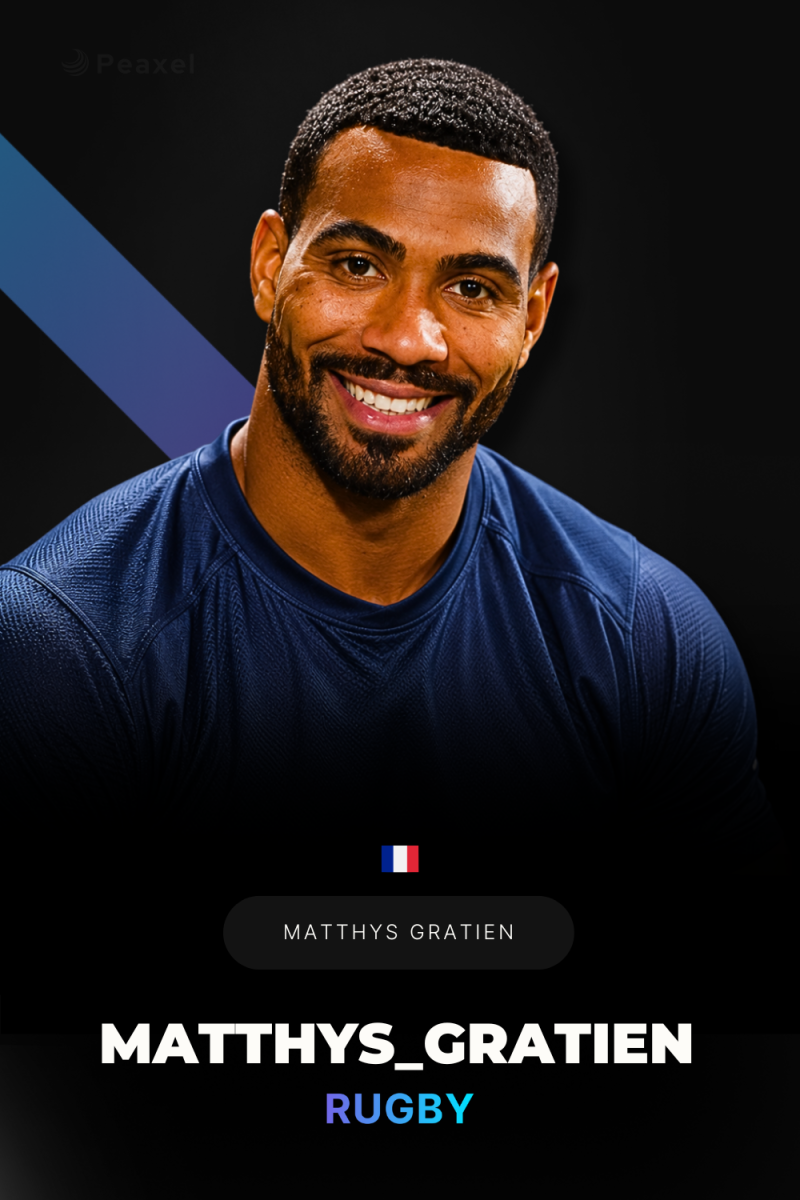
Matthys Gratien, born February 15, 1999, in Bondy, France, is a professional rugby union player competing as a winger. Standing 1.72m and weighing 86kg, he

Bekir Karaömerlioğlu is a Turkish Muay Thai athlete and member of the Turkish national military sports team, with ties to both Samsun and Adana. He
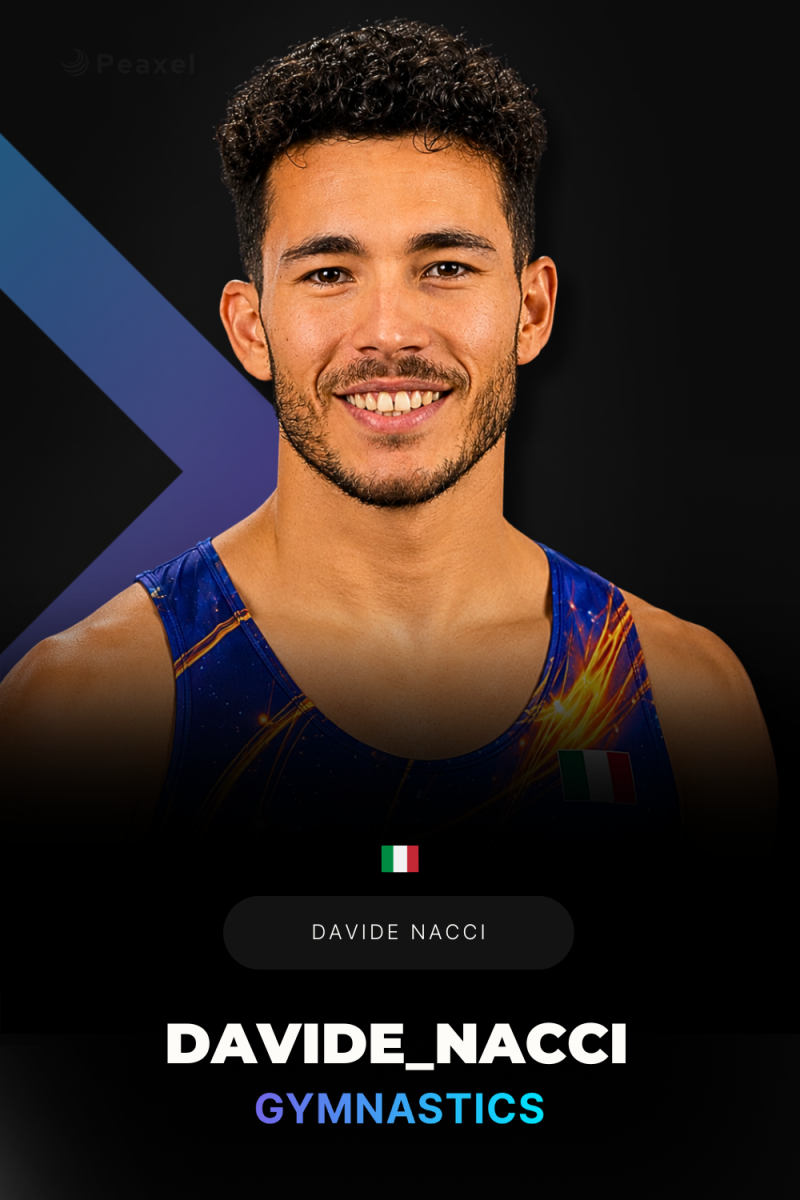
Davide Nacci, born in 2000 in Ostuni, in the Puglia region of Italy, is one of the leading aerobic gymnasts in the world and a
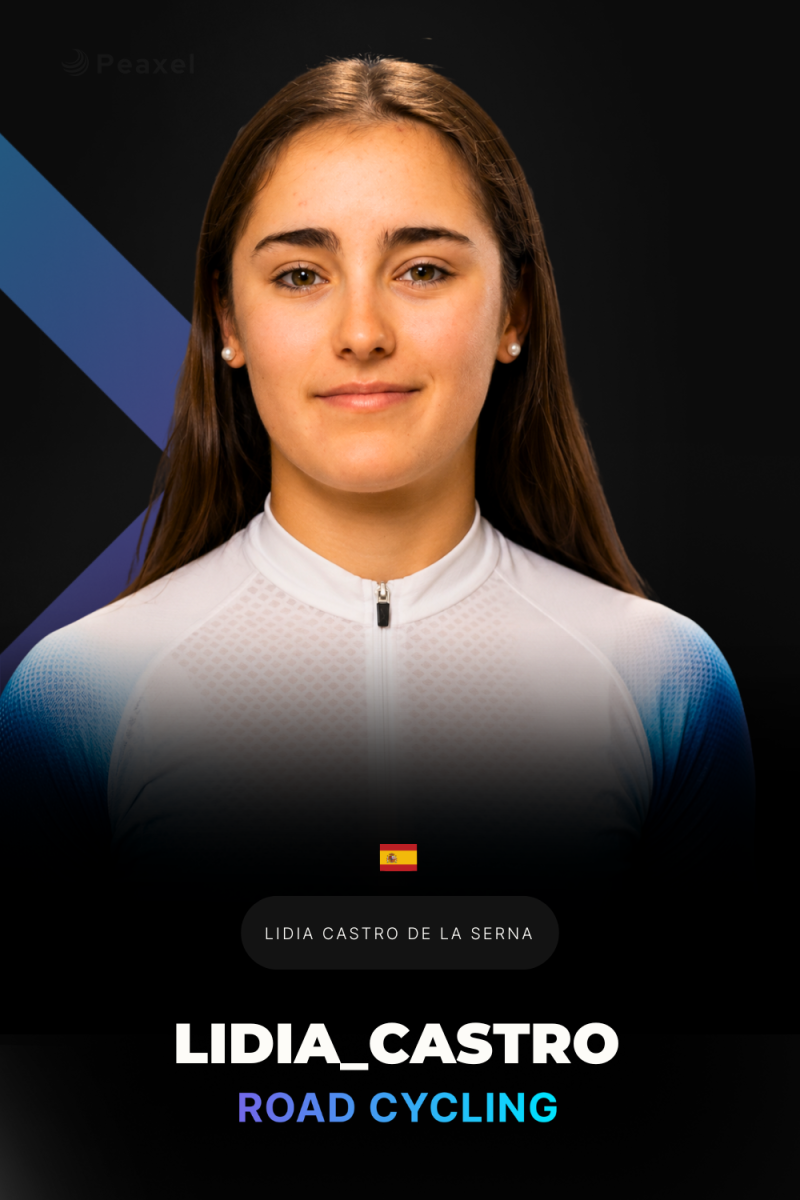
Lidia Castro de la Serna, born February 21, 2008, in Valladolid, Spain, is one of the most exciting young road cyclists in Europe. She grew